
Last updated November 15, 2026
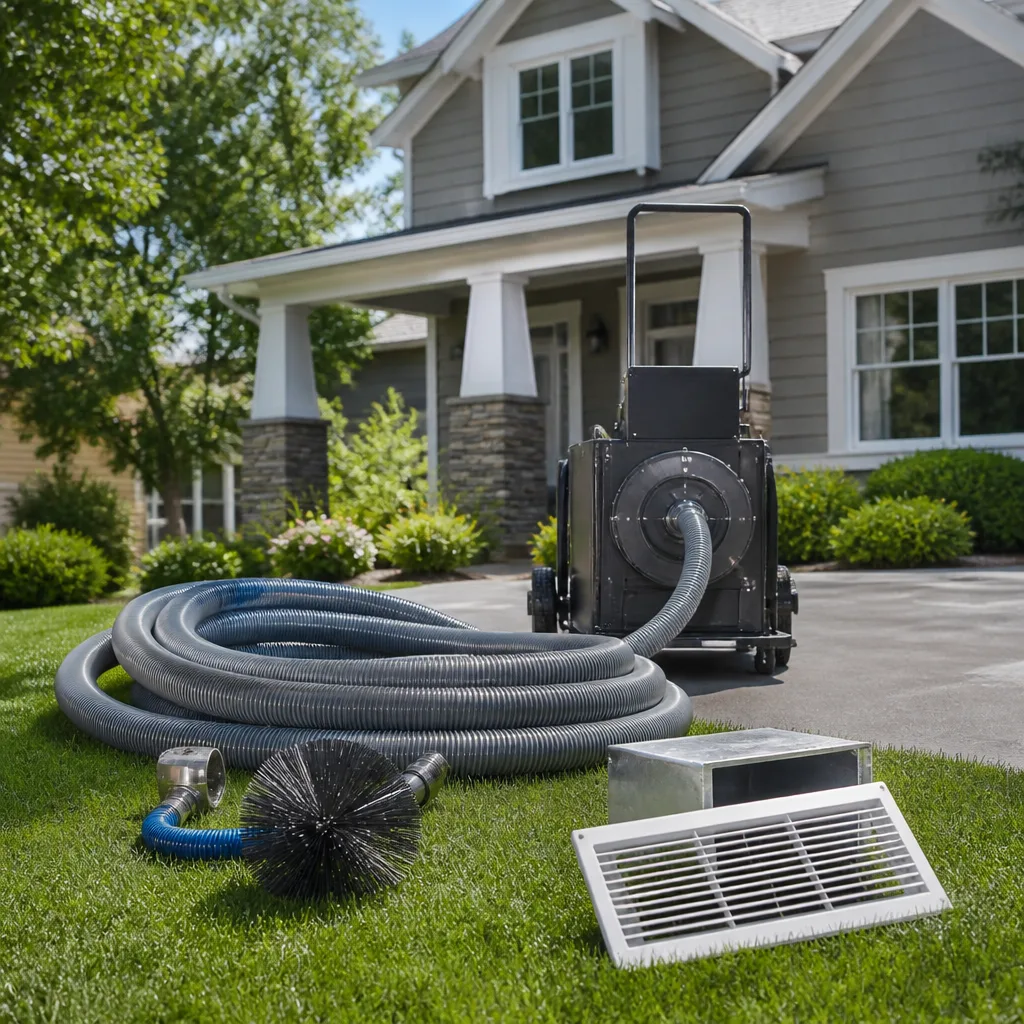 Whole-home duct cleaning
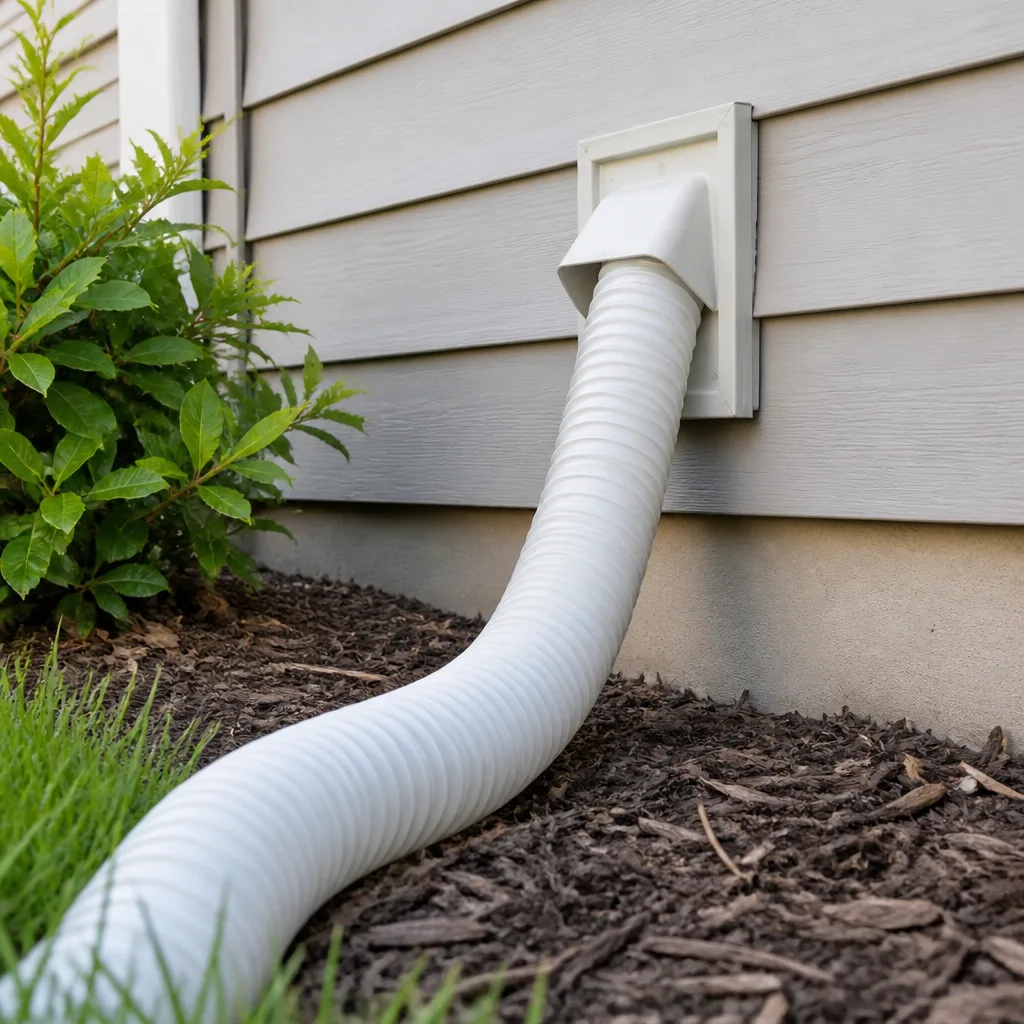 Dryer vent cleaning
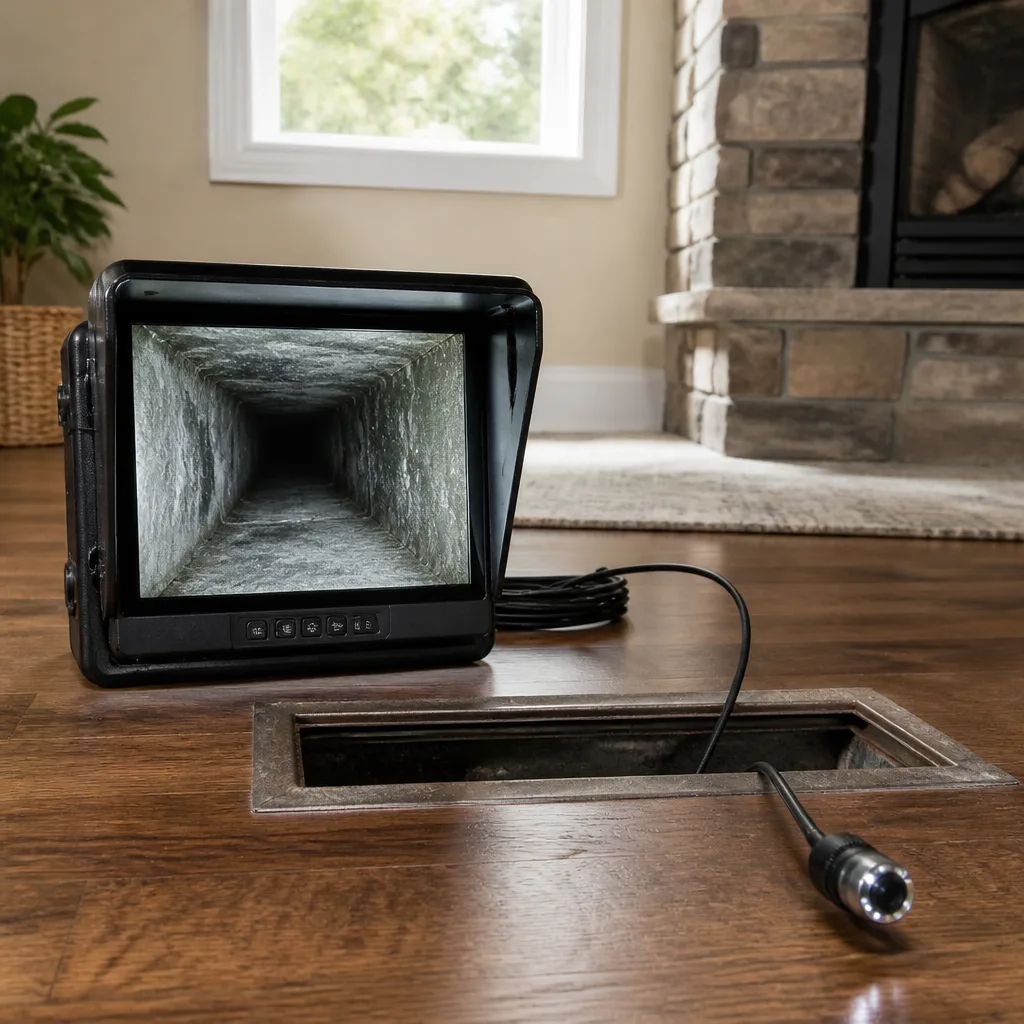 Camera inspection
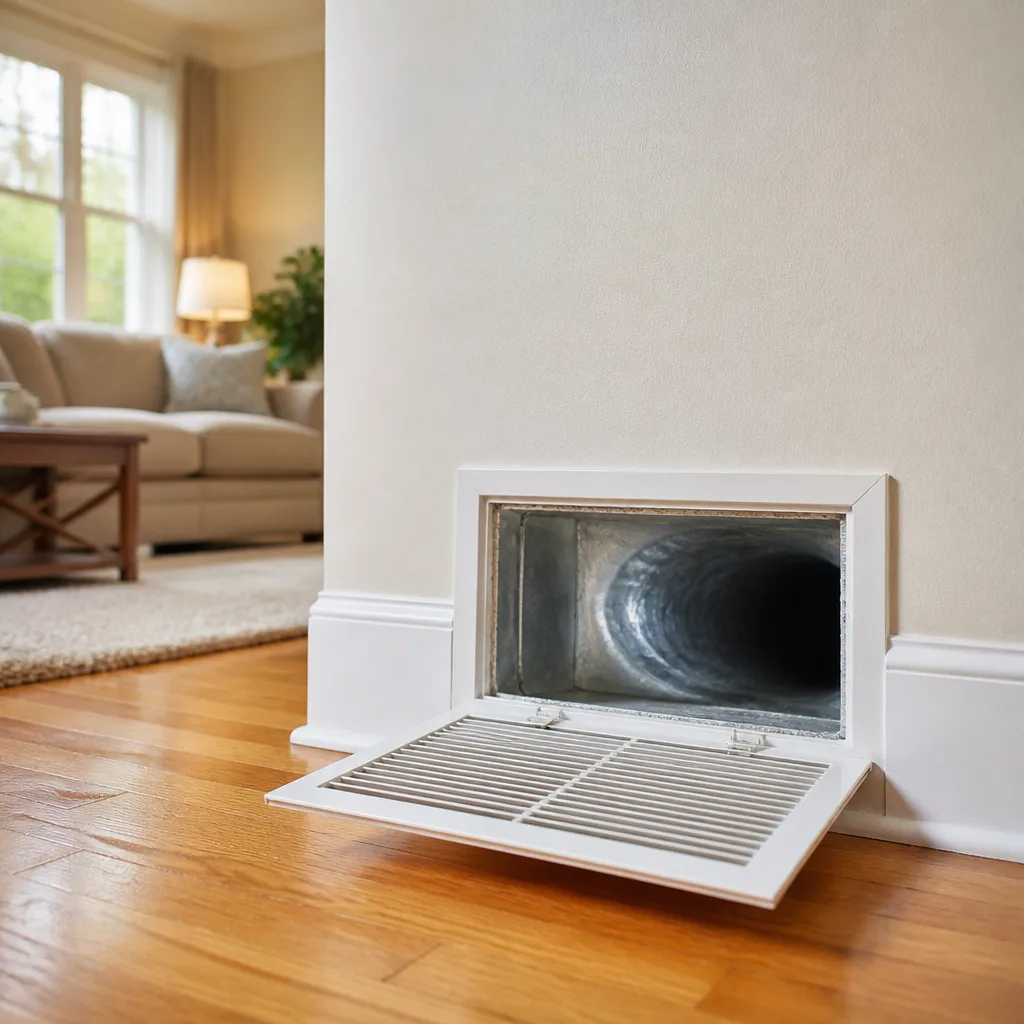 Sanitizing & deodorizing
Whole-system duct and dryer vent check with before-and-after photos - you see exactly what came out of your vents
That "$99 whole-house special" is a bait ad - the real number appears once they are in your hallway, or the "clean" is a shop-vac at the register. We photograph the inside of your ducts before and after instead.
Air Duct Cleaning Troubleshooting in League City: Common Problems and How to Fix Them
A musty smell right after a duct cleaning almost always means the technician cleaned the trunk lines and skipped the flex branch runs, the humid, debris-laden segments closest to your living space. That’s the part of this trade most homeowners never hear explained. Weak airflow, uneven room temperatures, and that damp odor everyone calls “just Houston-area humidity” usually point to one of four distinct failures, and each one has a different fix. This guide maps symptoms to causes so you can tell the difference between ducts that need a real cleaning and ducts that need inspection or repair before any wand goes in. It’s written from League City, where the damp air does its own damage to ductwork most national guides never account for.
Quick Answer
Most air duct problems in League City trace to one of four causes: debris accumulation in the branch runs, biological growth from trapped moisture, collapsed or disconnected flex duct, or a previous cleaning that only touched the trunk lines. Before scheduling any work, verify that all branch takeoffs were cleaned and inspected, not just the main trunk. If a smell or airflow problem persists after a complete cleaning with professional-grade equipment, the issue is usually a duct defect that needs repair, not another pass with a vacuum.
Styles & brands we work with
- Whole-home duct cleaning
- Dryer vent cleaning
- Camera inspection
- Sanitizing & deodorizing
Table of Contents
- Symptom to Cause: Mapping What You’re Seeing to What’s Actually Wrong
- How Do You Verify a Previous Duct Cleaning Was Actually Complete?
- Why Does Coastal Humidity Make Post-Cleaning Moisture Management Different in League City?
- What Can a Negative-Pressure Test Confirm and What Needs Physical Inspection?
- When Does Troubleshooting Cross into Remediation?
- Duct Repair vs. Duct Cleaning: Knowing Which One You Need
- Dryer Vent Problems That Get Mistaken for Duct Problems
- Working Around Honeywell and Aprilaire Filtration Systems
Symptom to Cause: Mapping What You’re Seeing to What’s Actually Wrong
Before anyone touches a vacuum wand, the symptoms themselves tell an experienced technician what they’re likely to find. This is the part of the job that matters most and gets skipped most often by low-cost operators. In League City, where the air stays muggy through much of the year, the symptom pattern leans more heavily toward moisture-related problems than it does in drier parts of Texas.
Here’s how we read the most common symptoms:
- Musty or earthy smell that returns within days of cleaning: biological growth somewhere in the branch runs. Suction alone doesn’t remove it because the growth is attached to the flex duct wall.
- Weak airflow in one or two rooms, normal elsewhere: a collapsed, kinked, or disconnected flex branch. This is a duct defect, not a cleaning issue.
- Uneven temperatures from room to room: same as above, or a partially blocked branch takeoff.
- Visible dust puffs at registers when the system kicks on: debris accumulation in the trunk or plenum that wasn’t fully dislodged.
- Dust settling on surfaces faster than usual after a cleaning: fine particulates that weren’t captured at the source, usually because the vacuum used wasn’t HEPA-rated.
- Whole-house smell with no single source: often the return-side ducting, which many budget cleanings never touch.
What makes this diagnostic useful is that each symptom points to a specific next step. A musty smell means you need containment-grade equipment, not a stronger shop vac. A single weak branch means you need a technician who can inspect and repair flex duct, not just clean it. Getting this reading right the first time is what keeps a homeowner from paying twice. It’s also the reason air duct cleaning done without a diagnostic pass often produces no visible change.
How Do You Verify a Previous Duct Cleaning Was Actually Complete?
Verification is possible without special training. The tool is a bright flashlight and a small mirror on an extendable handle, and the location is the branch takeoff, the point where the small flex run leaves the main trunk and heads toward a room. This is where incomplete work shows up.
Here’s how a proper verification inspection goes:
- Remove a supply register near the farthest room from the air handler. Look up into the branch run with the flashlight.
- Slide the mirror through the takeoff so you can see back toward the main trunk. If the flex duct wall is coated in dust, the branch wasn’t cleaned.
- Repeat at two or three different registers on opposite sides of the home. One clean branch doesn’t confirm the rest.
- Look for moisture or staining at the takeoff joint. Dark streaks or a damp feel indicate a moisture problem that cleaning alone won’t solve.
- Ask for before-and-after photos if you’re evaluating a quote. A technician using proper equipment should be able to document the branch runs, not just the trunk.
In our experience, the most common reason a homeowner calls us is that the previous service cleaned the main trunk, ran a vacuum hose through the system, and left the branch runs in place. The trunk is the easy part. The branches are where dust, allergens, and moisture actually accumulate because they sit closest to where people breathe, and because their narrow diameter slows airflow and lets debris settle. A complete job with a Rotobrush brush-and-vacuum system agitates the flex duct wall mechanically, then a Nikro HEPA-rated vacuum captures the dislodged debris at the source. If the equipment on site was a shop vac and a length of hose, the branches weren’t cleaned.
Why Does Coastal Humidity Make Post-Cleaning Moisture Management Different in League City?
Duct cleaning in a dry climate is a mostly mechanical job: you dislodge debris, you vacuum it out, and the system returns to normal. In League City, that cleaning removes the debris but changes the moisture balance inside the ductwork, and that shift needs to be managed. The Gulf air stays warm and heavy through much of the year, and the air handler sits in a hot attic or garage space where condensation forms easily.
The specific issue is this: once the dust coating is removed from the inside of a flex duct, the surface underneath dries faster. The moisture that used to be held in the debris now has nowhere to sit, so it either evaporates into the airstream or condenses on the duct wall. Doing the cleaning in cooler weather and letting the system run with a fresh filter for a few days is one way to limit that. Here’s what a complete job in this climate involves:
- Containment-grade cleaning with Abatement Technologies equipment when biological growth or heavy allergen loads are present, so spores aren’t redistributed into the living space.
- Confirming the air handler’s condensation drain is clear before cleaning begins, because a clogged pan or drain line keeps the whole system damp.
- Inspecting return-side ducting, since the return is where the bulk of the humid air reenters the system.
- Replacing the filter after cleaning, and choosing a filter rated appropriately for the system rather than the highest number on the shelf.
National guides rarely mention this because most of them are written for homes in dry climates. In League City, moisture management is part of the job, not a follow-up afterthought. Our Duct Cleaning League City work is planned around that reality.
What Can a Negative-Pressure Test Confirm and What Needs Physical Inspection?
A negative-pressure test confirms one thing: the duct system is holding pressure where it should, or it isn’t. A technician connects a manometer to the cleaning vacuum while it runs, and the reading on the gauge shows whether the vacuum is pulling the volume of air it should. On a tight, connected system, the reading climbs and holds. If it drops or fluctuates, something is open where it shouldn’t be. That usually means a disconnected flex branch, a damaged section of duct, or a seal that failed at a takeoff.
This test is fast and useful for two reasons. First, it tells the technician whether cleaning can proceed at full power or whether the system needs repair first. Second, it produces a reading that verification can be measured against, rather than relying on a visual impression. A Nikro or Abatement unit’s manometer numbers give a much tighter picture than a visual pass.
What it can’t tell you:
- Whether a specific room’s problem is caused by a kinked branch or a clogged register
- Whether biological growth is present on a duct wall inside the system
- Whether a section of flex duct is collapsed along its length but still connected at both ends
- Whether damage exists in ductwork that runs through walls or ceilings and isn’t accessible from a register
Those require physical inspection with a flashlight and mirror through the register openings or through the access panel at the air handler. Used together, the pressure reading and the physical inspection give the technician enough information to tell the homeowner whether they need a cleaning, a repair, or both before a single dollar of work is scheduled. That’s the diagnostic pass, and it should come before the cleaning every time.
When Does Troubleshooting Cross into Remediation?
The line is clearer than it might seem. Troubleshooting is inspection and measurement: what’s visible, what the pressure gauge reads, what symptoms point to. Remediation starts when the inspection finds a condition that cleaning alone can’t resolve, meaning the duct system itself needs to be repaired, contained, or in extreme cases replaced before another pass with a vacuum would be safe or useful.
These are the signs that the job has moved past troubleshooting:
- Visible biological growth on duct surfaces large enough to see with the flashlight, not just a smell. This calls for Abatement Technologies containment equipment, and in serious cases the affected section may need to be removed rather than cleaned.
- A disconnected or collapsed flex branch that explains a chronic weak-airflow room. The fix is a duct repair, not a cleaning.
- Standing water or heavy condensation inside the air handler pan or ductwork. Cleaning a wet duct system causes more problems than it solves.
- Post-renovation debris that has found its way into the ductwork: drywall dust, insulation fibers, construction grit. This needs containment-grade cleaning so the debris doesn’t blow through the home.
- Rodent or pest activity inside the duct system, which usually means the duct itself is compromised and needs repair or replacement.
When a homeowner calls us with a musty smell that returns after a cleaning, the first step is inspection, not another cleaning. If the inspection finds biological growth or a duct defect, the honest answer is that the job needs more than a cleaning pass. That’s the point where a duct specialist who can also repair ducts is worth more than a cleaning service that has to subcontract the fix. We clean ducts, and we also fix them.
Duct Repair vs. Duct Cleaning: Knowing Which One You Need
The difference between a cleaning problem and a repair problem usually comes down to airflow. Cleaning addresses what’s sitting on the duct wall. Repair addresses what’s wrong with the duct itself. Symptoms that point to repair include a single room that never gets the same airflow as the rest of the house, a run of flex duct that hums or whistles at the register, visible kinks or crushed sections where the flex duct runs through the attic, or a takeoff that has come loose from the trunk.
A technician doing a proper cleaning with a Rotobrush system or a Nikro vacuum is already inside the ductwork, at every takeoff, with the register removed and the branch exposed. That’s the moment when damage gets found. Disconnected flex, crushed elbows, and takeoffs that have separated from the trunk are all visible during cleaning, and addressing them in the same visit saves the homeowner a second appointment and a second bill.
What repair typically covers:
- Reconnecting a branch that has come loose from the main trunk
- Replacing a section of flex duct that has been crushed or kinked
- Sealing joints that were never properly taped or have lost their seal
- Securing duct runs that have sagged from their hangers in the attic
What repair doesn’t cover: the air handler itself, the compressor or condenser, the blower fan, or the refrigerant circuit. Those are HVAC repairs, and we refer those out. Our scope is limited to the ductwork and venting, which is what lets us focus entirely on the quality of that work. If you’re scheduling service through League City, the diagnostic inspection will tell you whether the job is a cleaning, a repair, or both before anything starts.
Dryer Vent Problems That Get Mistaken for Duct Problems
Not every airflow problem comes from the HVAC ducts. A dryer that takes two cycles to dry a load, a laundry room that feels humid after a cycle, or lint collecting on the outside of the dryer are all signs of lint accumulation in the exhaust vent, not an HVAC issue. Lint buildup in the dryer vent is the leading cause of dryer fires, and it’s a fire-safety matter, which is why we treat dryer vent cleaning as its own dedicated service rather than an upsell tacked onto HVAC work.
Here’s how to tell whether a dryer symptom is a dryer vent job or a duct job:
- Check the outside vent flap. If it doesn’t open wide during the dry cycle, airflow is blocked somewhere in the exhaust path.
- Feel the exhaust air outside. Weak or warm exhaust points to lint buildup in the vent.
- Look at the length and route of the vent. Long runs, multiple elbows, and crush-prone flex venting accumulate lint faster than short, rigid runs.
- Check for a laundry room that gets damp during cycles. That’s moisture escaping into the room instead of venting outside, which is a clear sign of a blocked vent.
In League City, where dryer venting often runs through a hot attic space, lint accumulation dries out and packs down faster than it does in cooler climates. That makes the inspection interval shorter, not longer. Dryer vent cleaning is a fire-safety service, and it needs to be done on a schedule, not only when a dryer starts taking two cycles.
Working Around Honeywell and Aprilaire Filtration Systems
Homes in League City with Honeywell or Aprilaire filtration systems already have high-performance air quality equipment in place, and duct work has to respect that. The mistake a low-cost operator makes is removing, bypassing, or mishandling the filtration components during cleaning, which either damages the system or leaves the homeowner with a filter housing that no longer seals correctly.
A technician who knows Honeywell and Aprilaire equipment checks the filter housing and media cabinet before cleaning starts, works around them without disconnecting anything permanently, and confirms the system is back to proper operating configuration before the job is signed off. The filters themselves are usually replaced as part of the visit, using the filter specified for the system rather than a generic replacement that doesn’t fit the cabinet.
If you’re not sure what filtration system you have, the cabinet is usually mounted at the air handler or in the return plenum, and the brand is visible on the housing. Knowing it in advance helps the diagnostic inspection go faster and keeps the cleaning from accidentally bypassing a system that’s doing real work for the home’s air quality.
Common Mistakes to Avoid
- Assuming a smell after cleaning is normal. It isn’t. A musty smell that returns within days of cleaning almost always means the branch runs were skipped, and the fix is a repeat inspection, not another cleaning pass.
- Accepting a quote that prices per vent. Per-vent pricing encourages a technician to run a hose past each register and call it done. A whole-system price, agreed before work starts, is the honest way to quote duct cleaning in League City.
- Letting a shop vac into the ductwork. Consumer and shop-grade vacuums redistribute fine particulates into the living space instead of capturing them. HEPA-rated equipment captures them at the source.
- Skipping the return-side ducting. Many budget cleanings only touch the supply side. The return carries most of the recirculated dust load, so leaving it untouched leaves the problem in place.
- Cleaning a wet duct system. In League City’s humidity, cleaning while the air handler pan has standing water or the ductwork is damp makes the problem worse. Fix the moisture source first.
- Ignoring the dryer vent while the HVAC ducts are being cleaned. The two are often scheduled together, but they’re different jobs with different equipment. A duct cleaning isn’t a dryer vent cleaning.
- Assuming a pressure test alone proves a duct is clean. Pressure readings confirm what the vacuum can pull, not what the duct wall looks like. Physical inspection is what proves the branch runs were actually cleaned.
See the difference
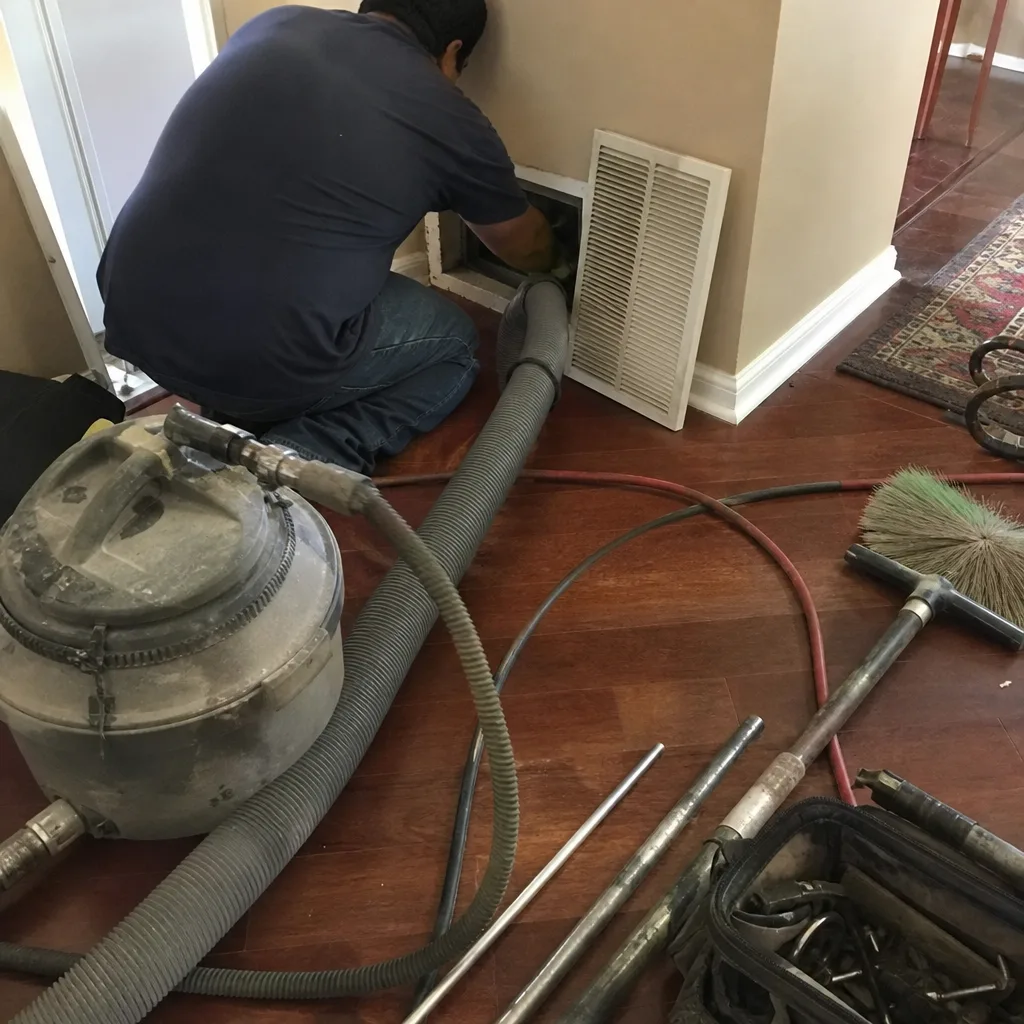 Before
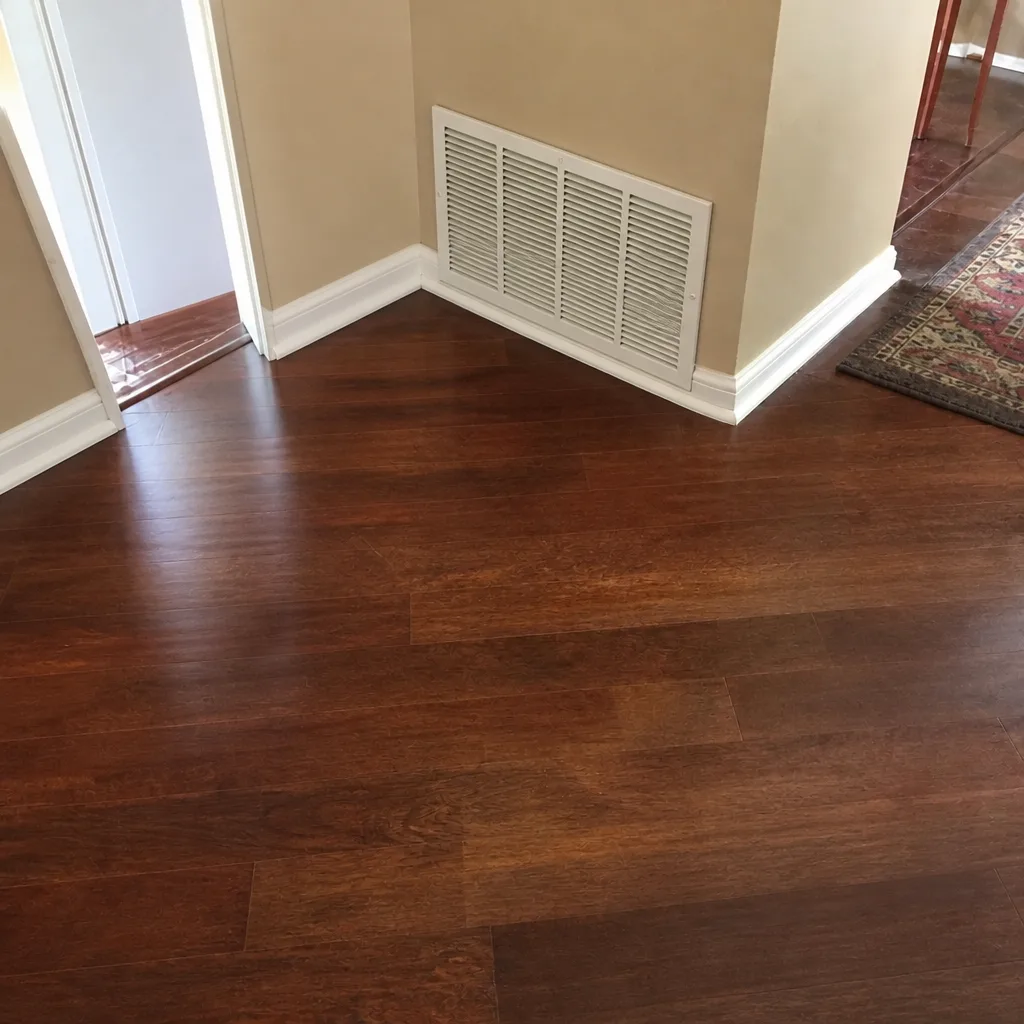 After
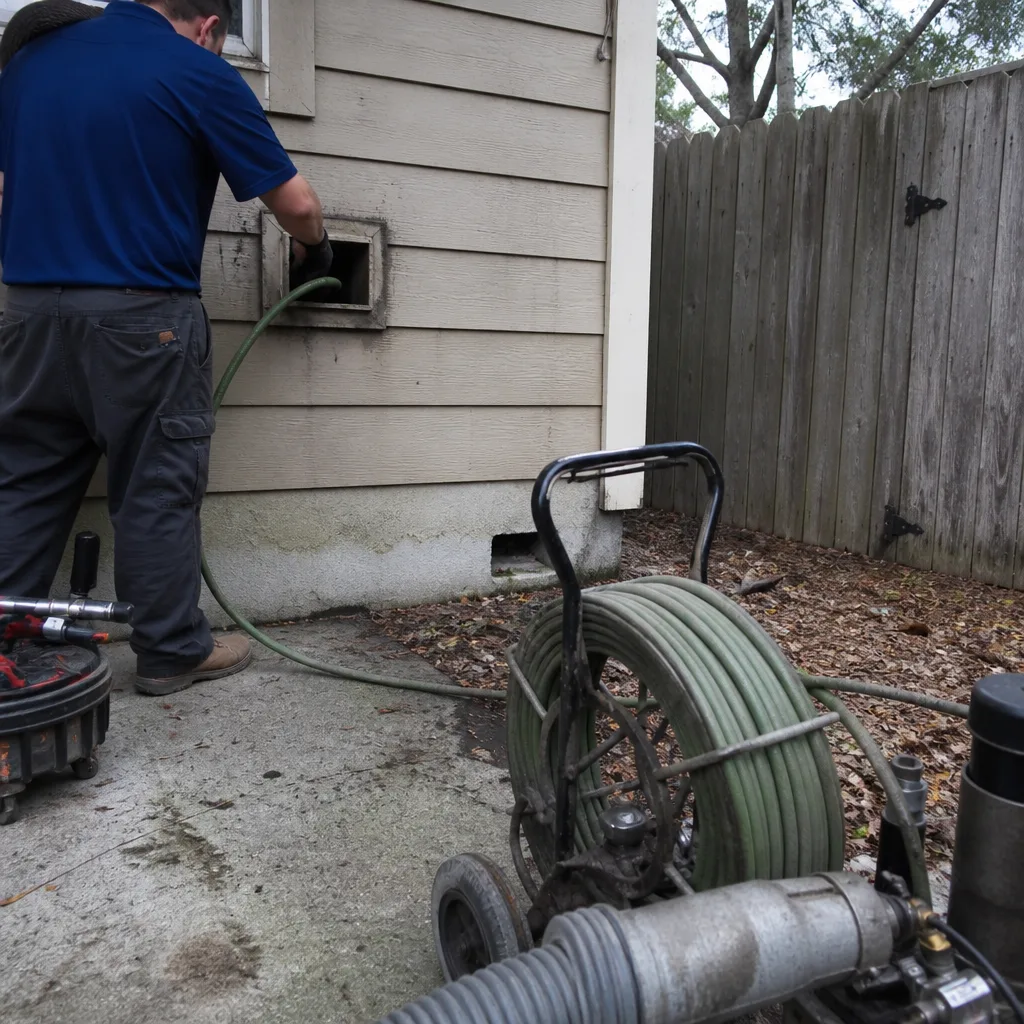 Before
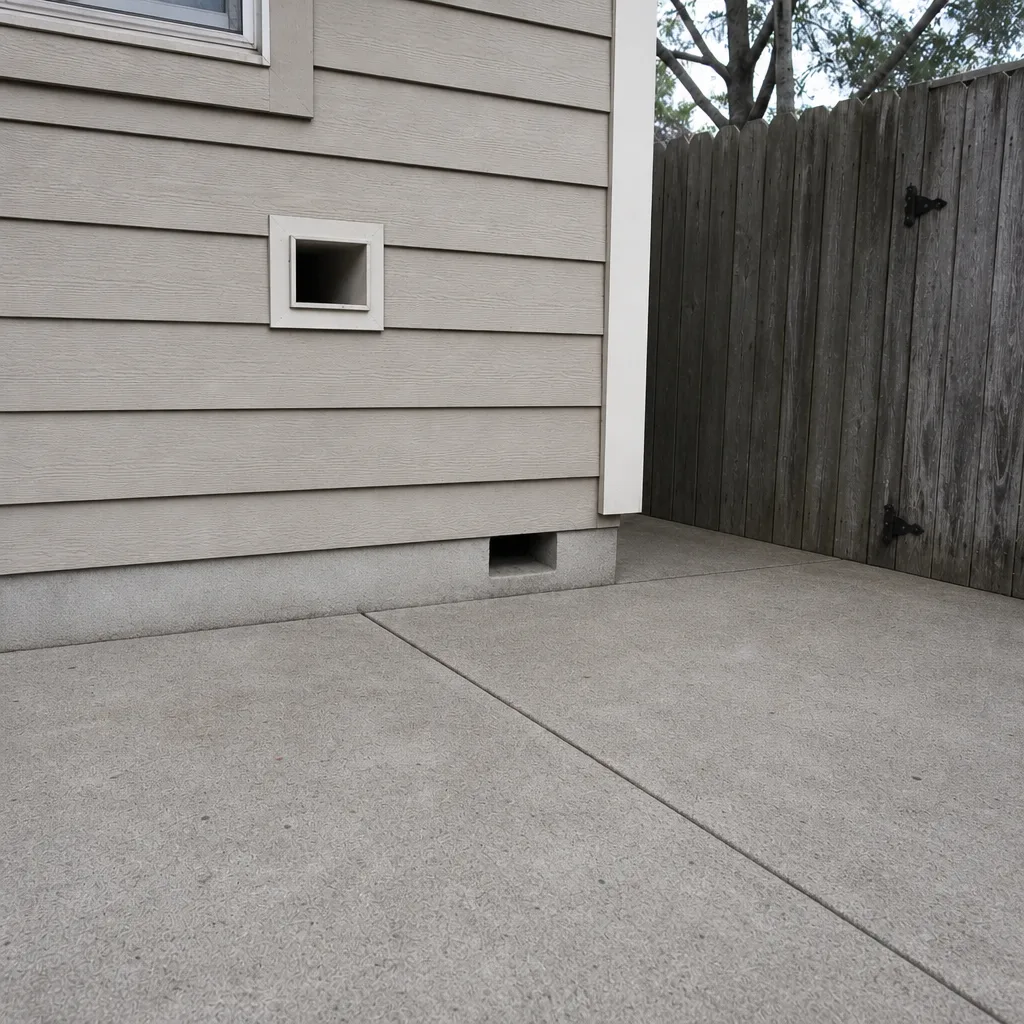 After
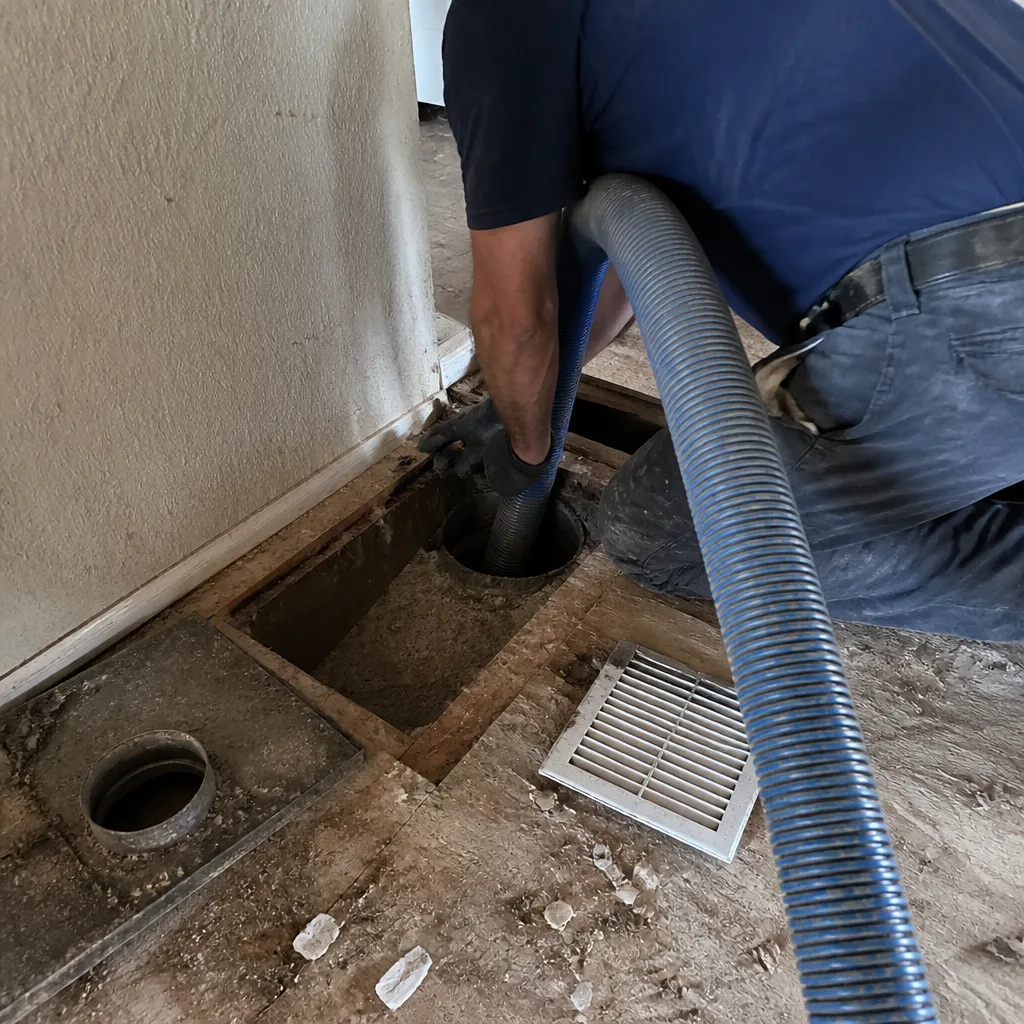 Before
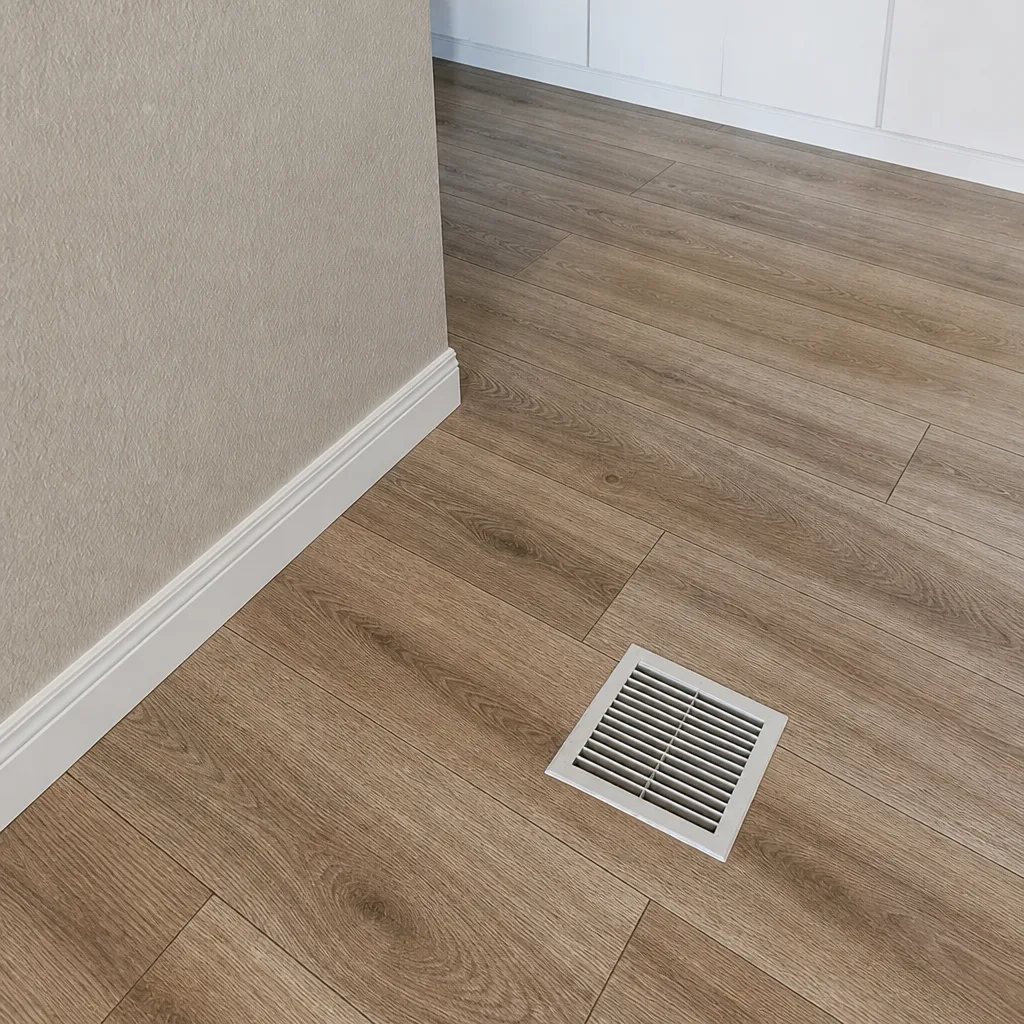 After
When to Call a Professional
Call a professional when symptoms persist after a cleaning done with proper equipment, when a single room never gets the airflow it should, when you can see staining or smell something musty near a register, or when the dryer vent hasn’t been cleaned on a regular schedule. Skip the call if the ductwork is wet, the air handler pan has standing water, or a recent renovation filled the ducts with construction debris, because those conditions need a different job entirely. Duct Cleaning League City offers free estimates in League City. Call (866) 942-5170. We answer 24/7. Fast dispatch from 7am to 7pm, Sunday through Friday.
Frequently Asked Questions
A musty smell that returns after cleaning usually means the branch runs were not cleaned, the return-side ducting was skipped, or biological growth is present in the flex duct and needs containment-grade cleaning rather than a standard pass. The fix is a diagnostic inspection at the branch takeoffs, not another cleaning. Call (866) 942-5170 for a free estimate that includes a check of the branch runs.
Air duct cleaning is priced per system, not per vent, and the written estimate you receive before work starts is the final price. Whole-system pricing depends on the number of branches, the condition of the ductwork, and whether any repair is needed. The honest way to quote the job is a flat price per system agreed in advance, with before-and-after photos of your own ducts on completion. Call (866) 942-5170 for an exact quote – estimates are free.
Low quotes usually reflect a smaller job: main trunk only, no branch run cleaning, no return-side work, and consumer-grade equipment rather than a Rotobrush system or a Nikro HEPA vacuum. The result is a visible improvement in the first week and the same symptoms back within a month. A quote that’s a fraction of the rest is a quote for a fraction of the work. Call (866) 942-5170 to compare a whole-system quote against what you’ve been offered.
Ask for before-and-after photos of your own branch runs, not stock images. During a proper cleaning, the register is removed, the branch takeoff is exposed, and the technician can photograph the duct wall before and after the brush and vacuum pass. If the technician can’t show you the branch runs, the work wasn’t complete. Call (866) 942-5170 to schedule a job where the documentation is part of the service.
Most homes go about three to five years between cleanings, but the interval shortens in League City if the home has pets, recent renovations, or a history of moisture problems in the ductwork. Homes with Honeywell or Aprilaire filtration systems often need less frequent cleaning because the filtration is doing real work. A diagnostic inspection every couple of years is cheaper than a cleaning done on a guess. Call (866) 942-5170 for a free estimate and a recommendation based on your system.
No. A negative-pressure reading confirms that the vacuum is pulling the volume it should and that the duct system is connected where it should be, but it doesn’t show what the duct wall looks like. A branch that’s crushed but still connected will pass the pressure test and still leave a room without airflow. Physical inspection with a flashlight and mirror through the register openings is what proves the run was cleaned. Call (866) 942-5170 if you want the inspection done as part of a cleaning visit.
The Bottom Line
Duct problems in League City almost always trace to one of four causes: debris in the branch runs, biological growth from trapped moisture, a collapsed or disconnected flex duct, or a previous cleaning that only touched the trunk lines. Diagnosing which one you’re dealing with comes before any cleaning, and the tools for the diagnosis are a flashlight, a mirror, a pressure gauge, and someone who knows what to look for. A musty smell after cleaning usually means the job was incomplete. A single room with weak airflow usually means the duct needs repair, not another cleaning pass. And a dryer vent that takes two cycles to dry a load isn’t an HVAC issue at all.
If you’ve had a cleaning done and the problem came back, or you’re starting from symptoms instead of a repair, call (866) 942-5170 for a free estimate. Duct Cleaning League City is licensed and insured, uses Rotobrush and Nikro equipment, and offers one flat price per system agreed before work starts, with before-and-after photos of your own ducts. We answer 24/7. Fast dispatch from 7am to 7pm, Sunday through Friday. Our technicians have up to experience, and the diagnostic inspection that comes before the cleaning is the part that makes the rest of the job worth paying for.
Written by the team at Duct Cleaning League City.