
Last updated November 15, 2026
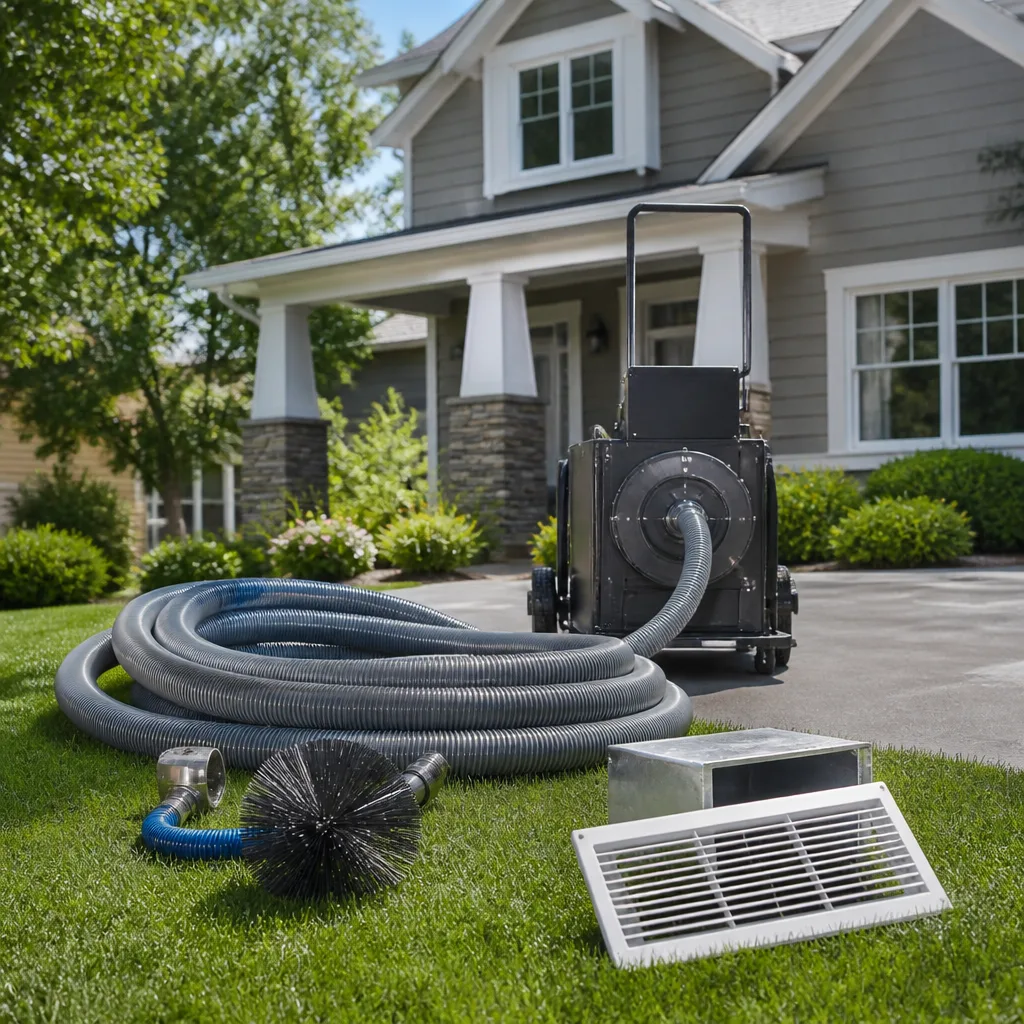 Whole-home duct cleaning
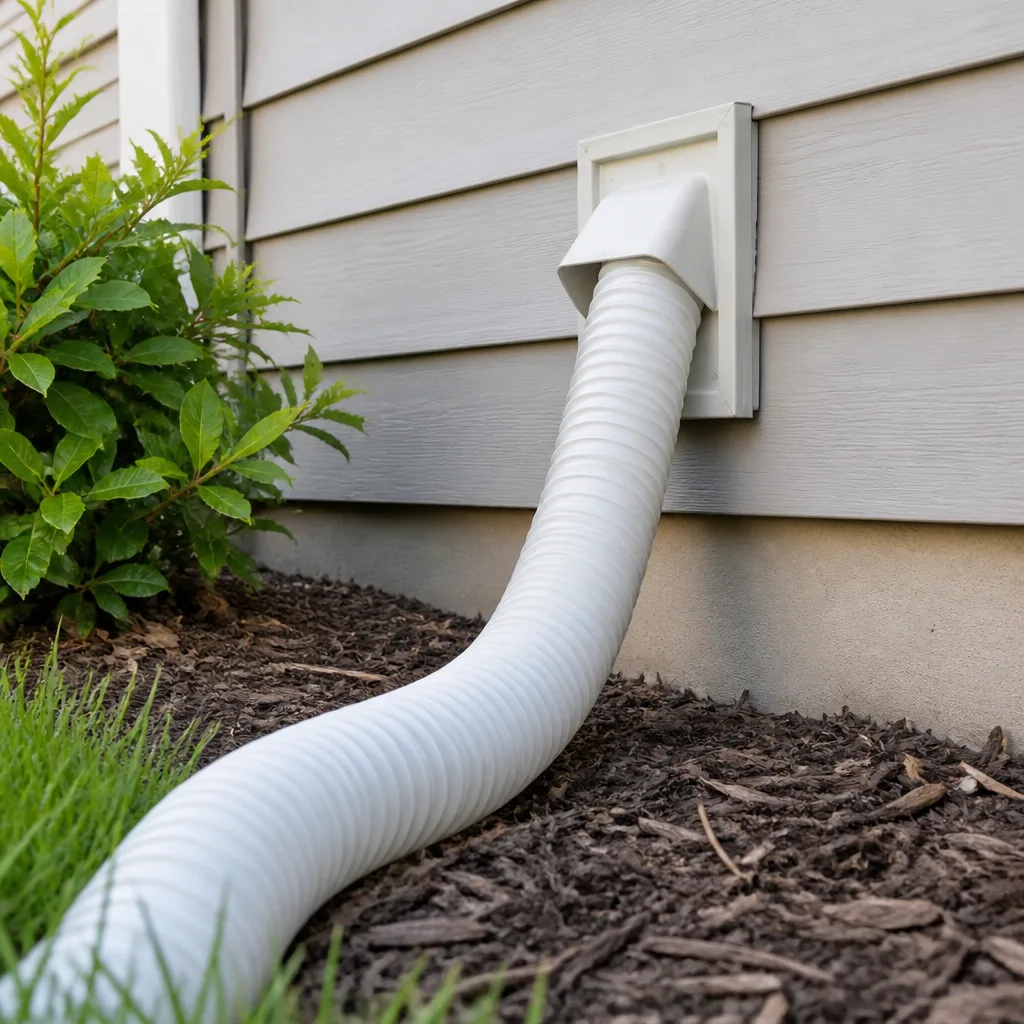 Dryer vent cleaning
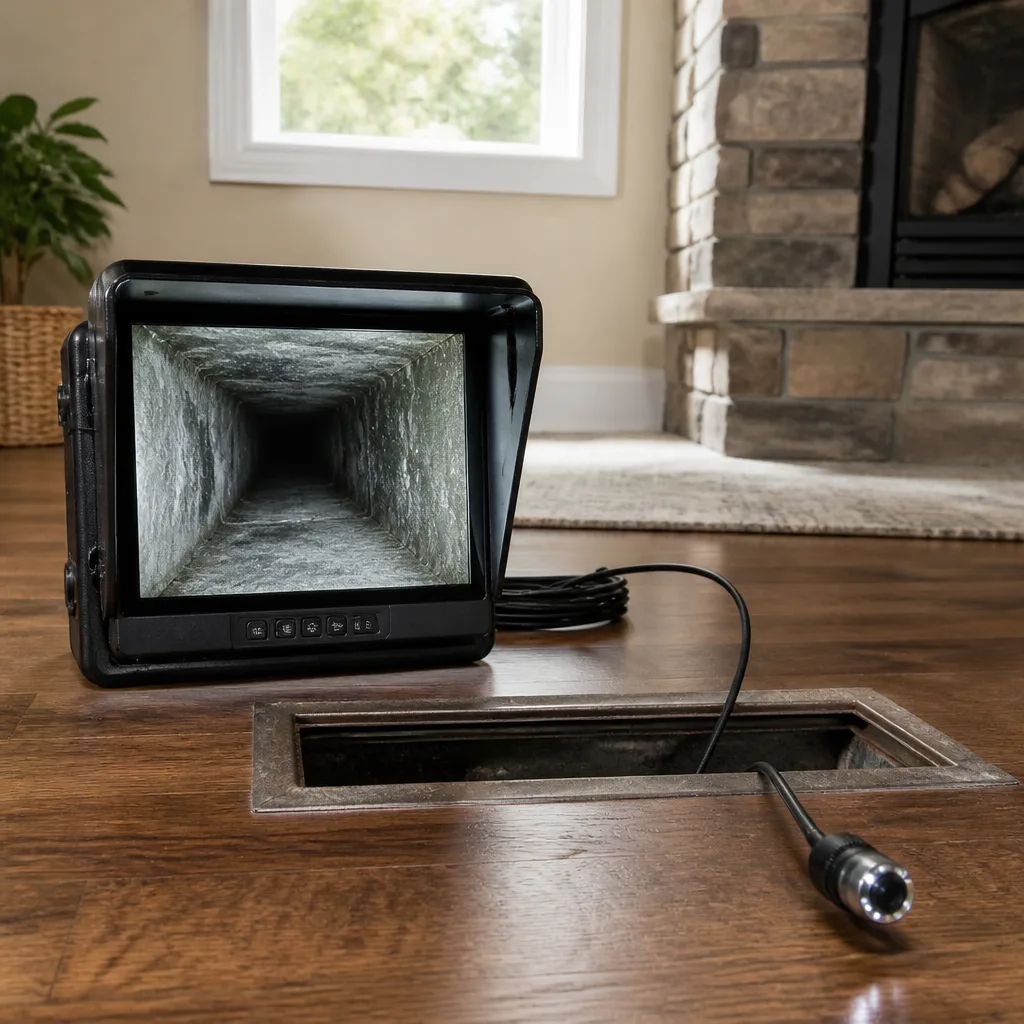 Camera inspection
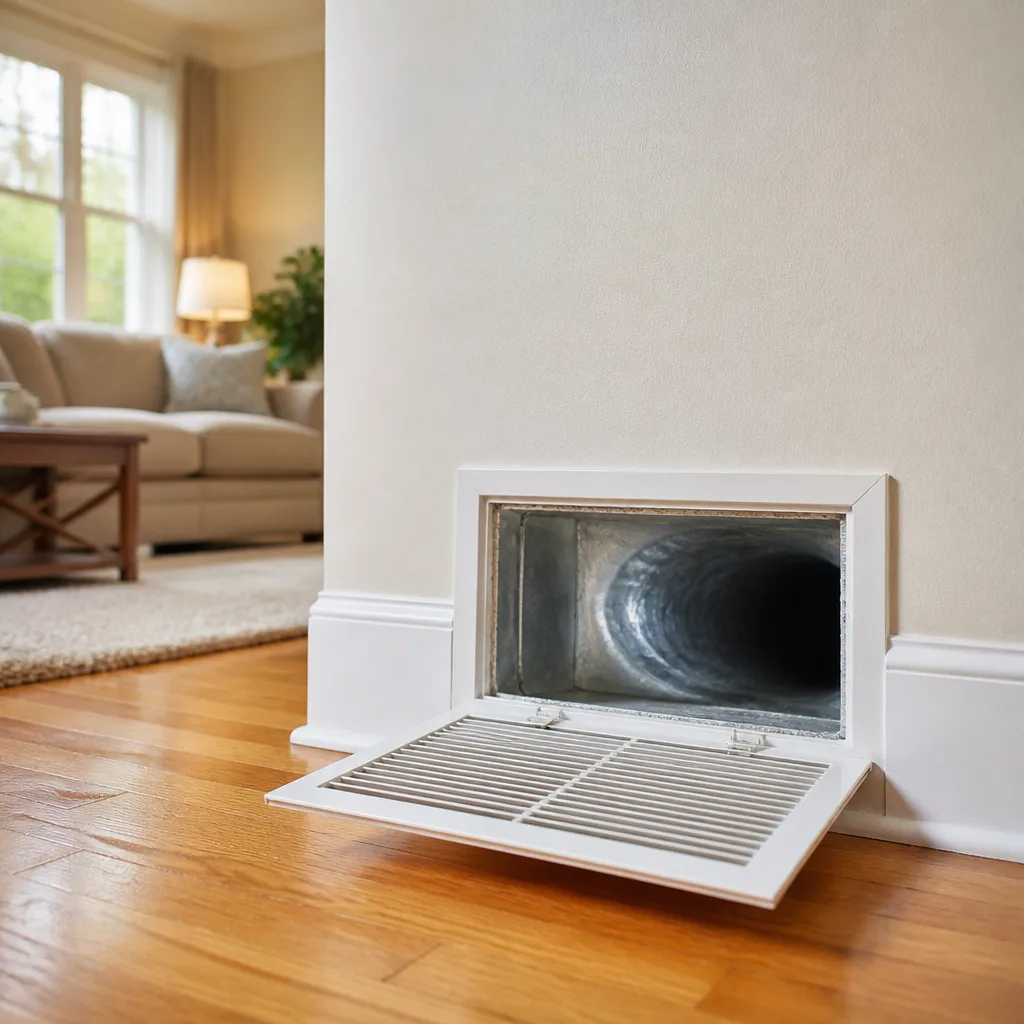 Sanitizing & deodorizing
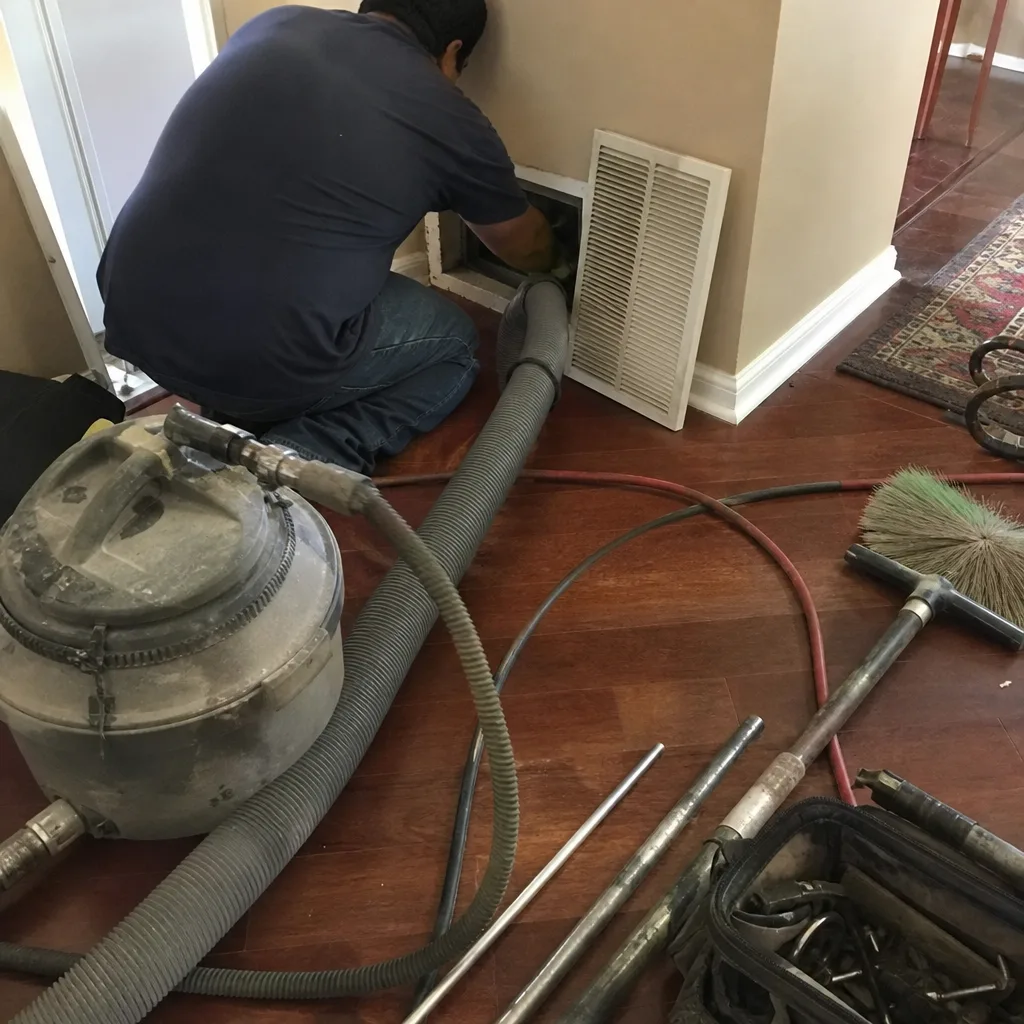
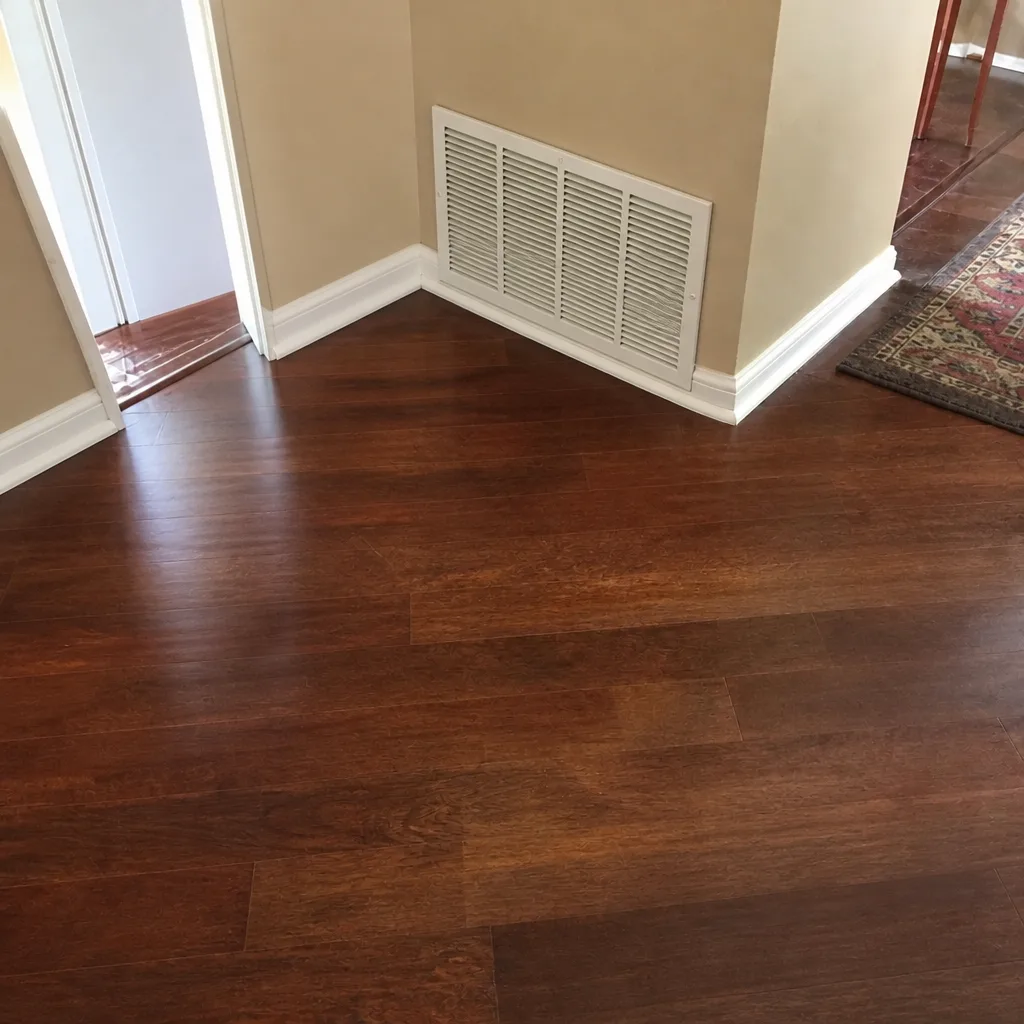
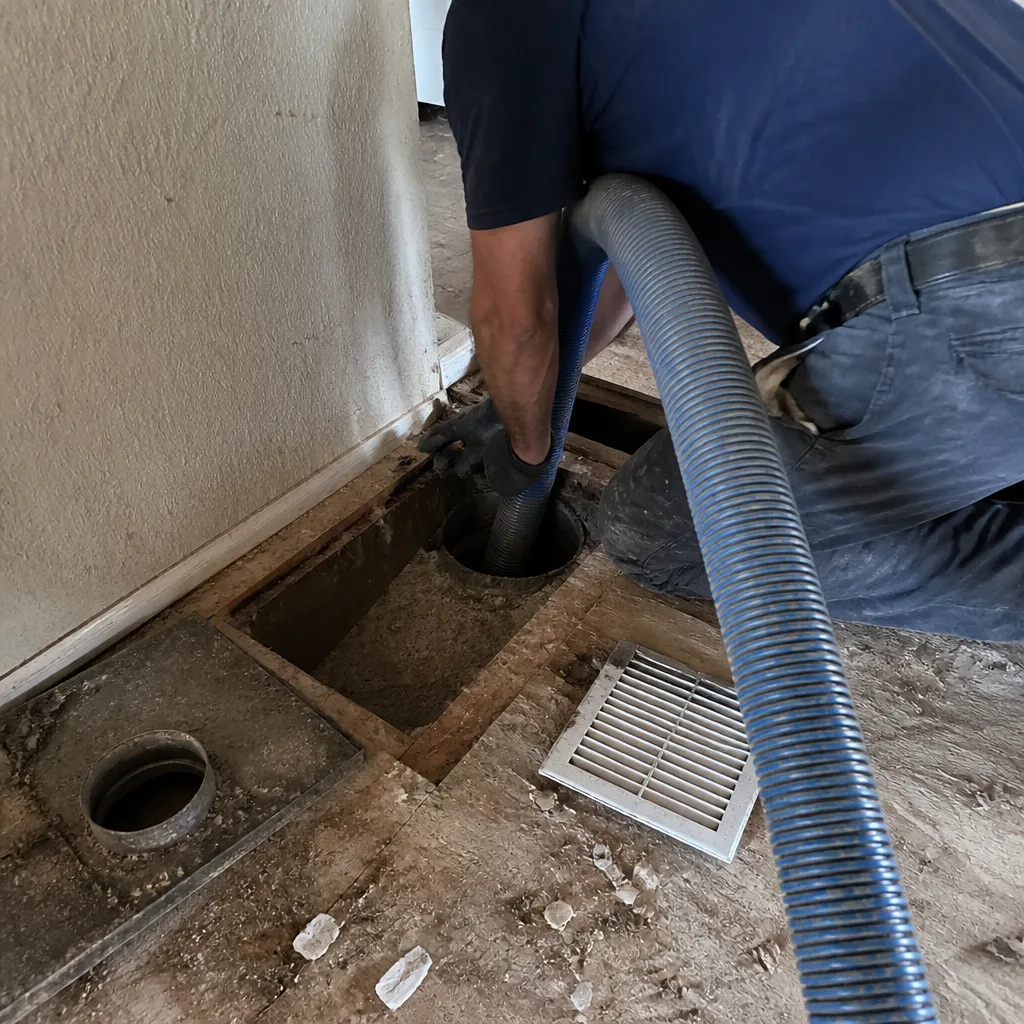
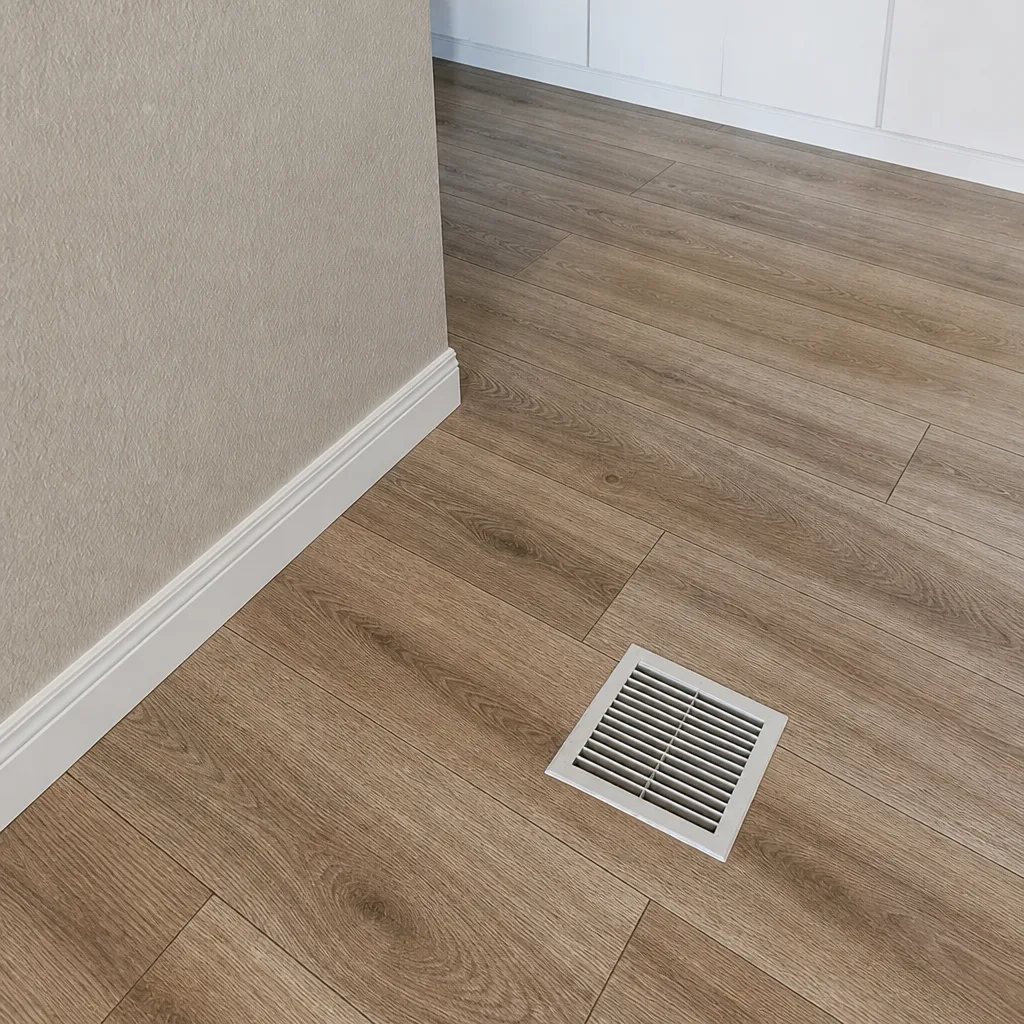
Whole-system duct and dryer vent check with before-and-after photos - you see exactly what came out of your vents
That "$99 whole-house special" is a bait ad - the real number appears once they are in your hallway, or the "clean" is a shop-vac at the register. We photograph the inside of your ducts before and after instead.
The Complete Guide to Air Duct Cleaning in League City
Most duct cleaning advice you’ll find online was written for a house in Ohio. It assumes a heating season, a basement, and a system that sits idle half the year. None of that describes a League City home. Here, the air conditioner runs for the better part of the calendar, and the ductwork never really gets a break. That changes what accumulates inside it, how fast it accumulates, and what a real cleaning has to involve to make a lasting difference. This guide covers what actually happens inside ductwork in League City, how to tell a genuine source-removal job from a quick vacuum pass, and how to sequence duct work with the rest of your HVAC maintenance so you don’t undo it.
Quick Answer
Air duct cleaning in League City means removing built-up dust, debris, and microbial growth from the entire duct system using mechanical agitation and HEPA-filtered vacuum equipment, not just vacuuming the registers. Because the AC runs through most of the year in this climate, ducts here accumulate contamination faster than in cooler regions, and a proper job includes source removal, an inspection of duct connections at the boots, and photographic before-and-after documentation.
Styles & brands we work with
- Whole-home duct cleaning
- Dryer vent cleaning
- Camera inspection
- Sanitizing & deodorizing
Table of Contents
- Why Duct Contamination Builds Faster in League City
- Source Removal vs. Blow-and-Go Cleaning
- Slab Foundations and Moisture at the Duct Boots
- What the Right Equipment Actually Does
- What a Legitimate Post-Cleaning Inspection Looks Like
- How to Sequence Duct Cleaning With Other HVAC Work
- Dryer Vents: The Fire-Safety Side of the Same Job
- What Air Duct Cleaning Costs in League City
Why Duct Contamination Builds Faster in League City
League City averages well over 200 cooling days a year. If you’ve lived in a northern climate, picture your furnace running from October through April and then sitting quiet. Now picture the opposite: an air handler moving air through the same ducts nearly every day of the year. Every hour of runtime pulls in air, and every cubic foot of that air carries some amount of dust, pollen, and moisture. Multiply that by double the runtime and you get roughly double the accumulation, on the same cleaning schedule a national guide would recommend.
The other half of the story is humidity. Gulf Coast air holds a lot of water vapor, and when that air passes through a duct system and meets a cold evaporator coil or a cool duct surface, some of it condenses. That thin film of moisture is what turns ordinary dust into the darker, stickier material we find coating duct walls in League City homes. Dust alone vacuums off fairly easily. Dust that has been wet and dried repeatedly bonds to the galvanized steel, and suction by itself won’t lift it.
That wet-dry cycle is also what feeds microbial growth. Mold and mildew don’t need a puddle. They need a surface that stays damp long enough, and in a system that runs through a humid summer, the interior of the ductwork near the coil and the supply runs in the attic stay damp far longer than they would in a drier climate. This is why our scope in League City often goes beyond light dust removal, and why we keep Abatement Technologies containment equipment on hand for jobs where the contamination is more than routine.
The practical takeaway: national “every 3 to 5 years” advice is a starting point here, not a rule. Homes in League City with pets, recent renovation dust, or a system that has never been cleaned often need attention sooner, and the only way to know is to look inside the system rather than guess from the register grille.
Source Removal vs. Blow-and-Go Cleaning
There are two very different services sold under the name “duct cleaning,” and the price difference between them is enormous for a reason. Source removal means physically dislodging the contamination from the duct surfaces and capturing it. Blow-and-go means running a vacuum at one register and blasting air through the system, which stirs debris loose and sends a good portion of it into the living space and back through the air handler. One cleans the ducts. The other makes the ducts look clean from the outside.
Source removal is the standard the industry works to, and it’s what the National Air Duct Cleaners Association (NADCA) sets out in its assessment, cleaning, and restoration standard. The core of it is mechanical agitation: you have to touch the duct surfaces, not just pull air past them. That’s the entire reason we run Rotobrush brush-and-vacuum systems rather than a vacuum wand. The brush head rotates against the duct wall and breaks the bonded layer loose while a HEPA-rated vacuum captures it at the source. Nikro equipment handles the fine particulate side, so what comes off the duct doesn’t end up redistributed through your home.
Here’s how a source-removal job typically runs, in order:
- System assessment. We look at the air handler, the plenum, the trunk lines, and every accessible branch run before any equipment comes in. This is where we find disconnected sections, crushed flex duct, or contamination that needs containment.
- Containment and negative pressure. The vacuum connects at the main trunk so the whole system is under negative pressure while work happens. Nothing gets pushed into the rooms.
- Mechanical agitation, run by run. Each branch line gets brushed from the register back toward the trunk, so debris moves in one direction, into the collection point.
- Component cleaning. The blower, the coil face, and the plenum get attention too, because a clean duct connected to a dirty coil just recontaminates itself.
- Verification. Access panels go back on, and you get documentation of what came out and what condition the system is in.
If a quote you receive doesn’t mention agitation, containment, or the air handler, it’s a blow-and-go price. Our air duct cleaning work is built around source removal because anything less won’t hold up in this climate.
Slab Foundations and Moisture at the Duct Boots
Most homes in League City sit on slab foundations, and that single fact changes where we look first. In a basement or crawlspace home, ductwork hangs in open air and moisture problems usually announce themselves. On a slab, the supply boots come up through the floor, and the joint where the metal boot meets the concrete floor and the subfloor is a spot that condensate and occasional moisture can work at quietly for years.
What we check before cleaning begins:
- Boot-to-floor seals. Gaps at the base of a floor register let unconditioned air, dust, and sometimes moisture wick into the duct path. A failed seal means the duct is pulling from the wrong place.
- Flex duct connections at the boot collar. The tape or mastic holding flex duct to the boot is a common failure point, especially in attics where summer heat cycles the material.
- Signs of past moisture. Rust staining on boot metal, softened duct board, or a musty smell when the system first starts tells you the cleaning scope needs to include the affected section, not just the main run.
- Return air pathways. In slab homes, return chases can be framed cavities rather than dedicated duct, and those cavities collect debris differently than round pipe.
- Register and grille condition. Loose or warped grilles leak air into the wall cavity around the boot, which is another path for dust to get pulled in.
If the inspection turns up a torn connection or a boot that’s pulled loose, cleaning alone would be a waste of money. We repair damaged and disconnected duct sections as part of the same visit, which is a capability most cleaning-only companies simply don’t have. It’s why we say we clean ducts and we also fix them. You can read more about the scope of our duct work on the main page.
What the Right Equipment Actually Does
The duct cleaning industry has a low barrier to entry, and the equipment tells you which tier a company is operating at. A shop vac on a wand is a consumer tool. It has limited airflow, no way to agitate a duct wall, and a filter that clogs quickly and starts blowing fine dust back out. It’s fine for a car interior. It’s not a duct cleaning system.
Here’s what the professional-grade side looks like, and why each piece matters:
- Rotobrush brush-and-vacuum systems. A rotating brush head on a flexible whip travels the length of a branch run and scrubs the duct wall while a vacuum pulls the loosened material back. This is the mechanical agitation step that source removal depends on. Suction alone can’t lift a bonded dust layer; the brush has to break it first.
- Nikro HEPA-rated vacuum systems. HEPA filtration captures fine particulate at the source instead of cycling it through the home. In a system with heavy debris or allergen buildup, that difference is the whole point.
- Abatement Technologies containment equipment. This is the same class of gear restoration and abatement contractors use when they’re working in a contaminated environment. For ducts with mold growth or post-renovation debris, containment is what keeps the job controlled.
We also work around premium filtration hardware without bypassing or damaging it. If your system has Honeywell or Aprilaire components installed, those get handled carefully, because a cleaning that compromises a good filter setup defeats its own purpose. Built for air quality, not just airflow.
What a Legitimate Post-Cleaning Inspection Looks Like
“All done, looks good in there” is not an inspection. A real verification step gives you something you can check yourself, and it’s the single best way to tell whether the work you paid for actually happened. Here’s what a proper post-cleaning walkthrough includes:
- Access panel removal and visual check. We pull access panels at the air handler and at least one trunk location so you can see inside the ductwork directly, not just at the register.
- Before-and-after photos of your own system. Not stock images from a brochure. Pictures taken inside your ducts, before and after, so you have a record.
- Register-by-register verification. Every supply and return gets checked for airflow and for debris at the boot. A run that was skipped shows up here.
- Airflow and static pressure readings. Measuring airflow before and after tells you whether the cleaning restored anything the system had lost.
- A written summary of findings. Anything we noticed during the job that you should know about, including duct damage we repaired or issues that need attention later.
If a company can’t offer before-and-after photos of your system, that’s your answer about how thorough the job will be. Before-and-after documentation is standard on every job we run, and it’s part of how we handle League City homes.
How to Sequence Duct Cleaning With Other HVAC Work
Duct cleaning is not a standalone event. It interacts with the rest of your system, and doing things in the wrong order wastes money. If you clean the ducts and then have a contractor do a sloppy coil cleaning that blows debris back through the plenum, you’ve undone the job. Here’s the order that protects the work:
- Replace the filter first. A fresh filter going in after cleaning, not before, so you’re not loading a new filter with cleaning debris. Never run the system on a dirty filter during or after the job.
- Clean the coil and blower before or alongside the ducts. The evaporator coil face and the blower wheel are upstream of most of the duct system. Contamination there re-enters the ducts on the first cycle. Coil cleaning should happen before the duct cleaning is finished, not after.
- Do the duct cleaning as the core event. This is the source removal step and everything else surrounds it.
- Repair any duct damage discovered. Loose connections, crushed flex, torn boots. This happens during the same visit, before the system goes back together.
- Restore airflow and verify. Reinstall registers and grilles, run the system, take airflow readings, and confirm the static pressure is where it should be.
- Put a new filter in last. Then schedule the next filter change based on your home’s conditions, not a generic calendar.
A common mistake is having duct cleaning done by a company that doesn’t touch the air handler, then having a separate HVAC contractor service the coil weeks later. The coil work stirs up everything the cleaning missed, and the ducts are dirty again. Keep the scope together.
Quick reference: our three service lines
Worth saying plainly, since we get asked: we handle air duct cleaning, dryer vent cleaning, and air duct repair. We don’t do HVAC installation or replacement. If your system needs a new unit, that’s a licensed HVAC contractor’s call, and we’ll tell you so.
Dryer Vents: The Fire-Safety Side of the Same Job
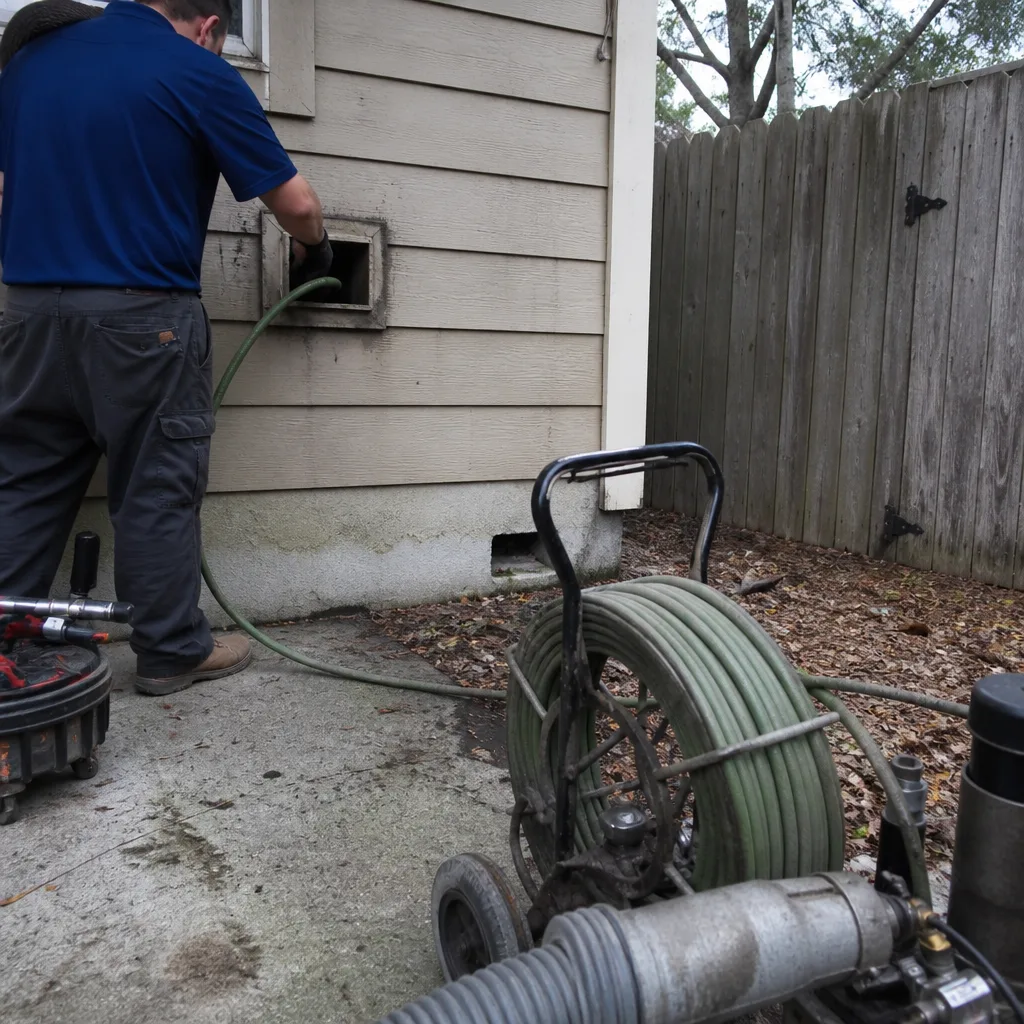
Your dryer vent is a lint trap that runs through a wall, and it’s a fire-safety component, not a convenience item. The National Fire Protection Association (NFPA) identifies failure to clean the dryer vent as the leading cause of dryer fires. That’s the entire reason we treat dryer vent cleaning as its own dedicated service rather than an upsell tacked onto a duct job.
In a League City home, the vent run often travels up through the attic and out through the roof, which means lint has a long path to travel and plenty of places to collect. A ridge of lint along the vent wall narrows the passage, restricts airflow, and causes the dryer to run hotter and longer than it should. The failure mode is heat plus fuel, and lint is the fuel.
What a proper dryer vent cleaning involves:
- Disconnecting the dryer vent from the wall to inspect and clean the full run from the appliance to the exterior termination.
- Removing lint from the entire duct path, including any elbows and transitions, using brushes and vacuum equipment sized to the run.
- Checking the exterior hood and damper for lint blockages and proper operation.
- Reconnecting and testing airflow at the dryer.
If you can’t remember the last time your dryer vent was cleaned, it’s worth a look. It’s the cheapest safety service in the house.
What Air Duct Cleaning Costs in League City
Air duct cleaning in League City typically runs $300 to $1,200 for a whole-home system, depending on system size, number of runs, and condition. Here’s how those ranges break down by job type:
- Standard whole-home duct cleaning: typically $300 to $700 for a typical single-story home with a standard number of registers and routine contamination.
- Larger or multi-system homes: typically $700 to $1,200, reflecting more runs, more materials, and more labor hours.
- Duct repair, when needed: priced per the damage found, quoted before work begins.
- Dryer vent cleaning: priced separately by run length and complexity.
One flat price per system, agreed before work starts. No per-vent pricing, no coupon that changes at the door. We’ve been on plenty of jobs where the homeowner got a very low quote and a much larger invoice after the technician was inside, and that’s the reputation problem this industry has. The written estimate sets the final price, and before-and-after photos of your own ducts are part of the job. Estimates are free. For an exact number on your system, call (866) 942-5170. We answer 24/7. Fast dispatch from 7am to 7pm, Sunday through Friday.
Common Mistakes to Avoid
- Booking on price alone. A quote far below the ranges above usually means no mechanical agitation, no containment, and no access to the air handler. You get a vacuum pass at the registers and an invoice for a cleaning that didn’t happen.
- Letting a crew skip the air handler. If the coil, blower, and plenum aren’t touched, the ducts get recontaminated on the first cycle. Ask specifically what gets cleaned.
- Not asking for photos. Before-and-after photos of your own system are the only proof the work actually happened. Any company that can’t produce them is telling you something.
- Cleaning ducts but ignoring a damaged boot or torn connection. In a slab-foundation home in League City, a failed boot seal means the cleaning has a short shelf life. Repair first, or at the same time.
- Treating dryer vent cleaning as optional. Lint accumulation in the exhaust path is the documented leading cause of dryer fires. It’s not a performance upgrade.
- Running the system with a loaded filter during or right after cleaning. A fresh filter goes in after the work, not before.
- Believing a chemical fogger replaces cleaning. A fogger doesn’t remove anything. If the debris is still on the duct wall after the fog, it’s still there.
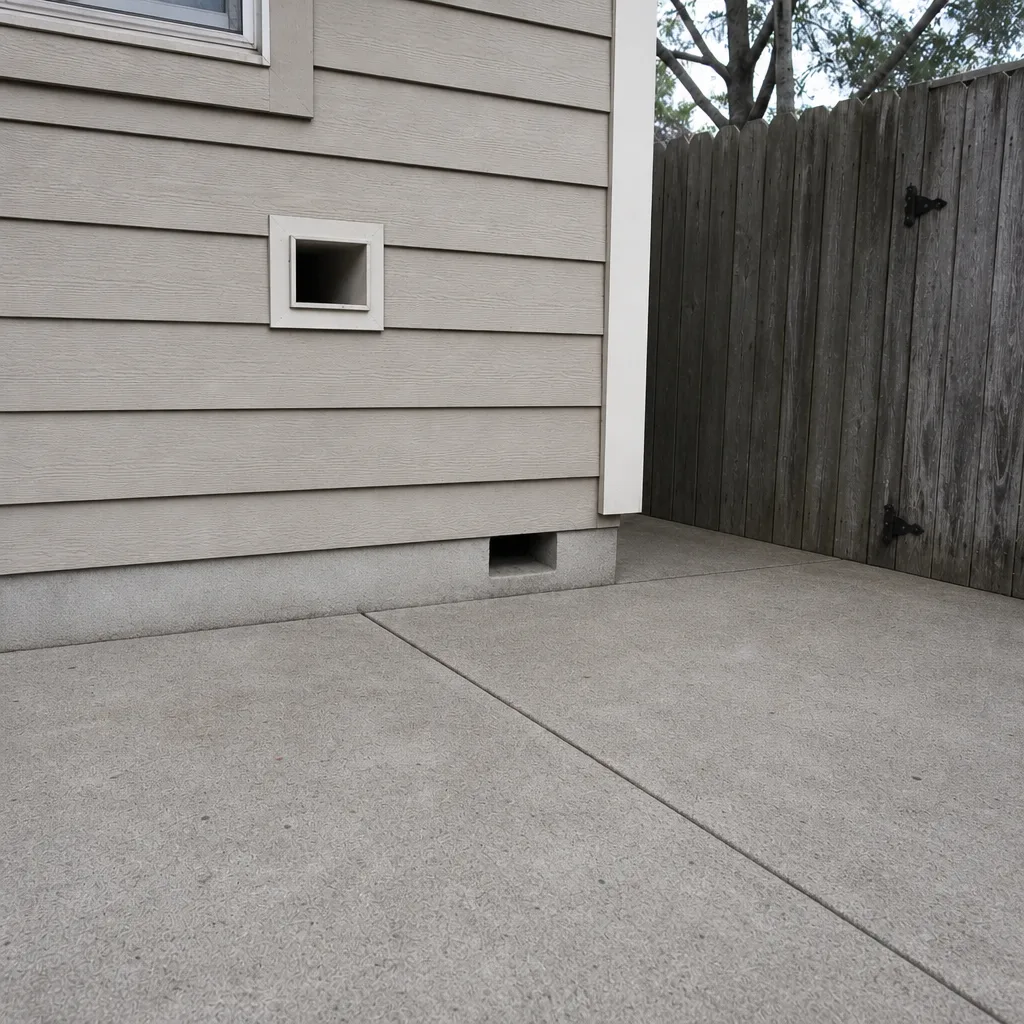
See the difference
 Before
 After
 Before
 After
 Before
 After
When to Call a Professional
Call a professional when you can see or smell the problem: visible dust discharging from registers when the system starts, a musty or mildew odor that returns after you clean the registers, or dark staining visible inside a supply boot. Call when the system has never been cleaned and you’ve lived in the home through several humid seasons, when you’ve finished a renovation that generated drywall dust, or when someone in the household has allergy or respiratory sensitivity that worsens when the AC runs. Call when you find a disconnected or torn duct section, or when you can’t remember the last dryer vent cleaning. Duct Cleaning League City offers free estimates in League City. Call (866) 942-5170. We answer 24/7. Fast dispatch from 7am to 7pm, Sunday through Friday.
Frequently Asked Questions
Air duct cleaning in League City typically runs $300 to $1,200 for a whole-home system, with most standard single-story homes landing between $300 and $700. The written estimate sets the final price, one flat price per system, agreed before work starts. Call (866) 942-5170 for an exact quote; estimates are free.
Because they’re selling a different service. A very low quote usually means no mechanical agitation, no containment, and no air handler access; the crew vacuums at the registers and leaves. Source removal costs more because it involves real equipment, real time, and done properly it actually removes the contamination. Call (866) 942-5170 to get an honest range for your system.
Ask for before-and-after photos of your own ducts and an access panel visual check you can see yourself. On our jobs, the photos and the walkthrough are standard, not an add-on. If you can’t see inside the system after the job, you can’t verify it. Call (866) 942-5170 to book an inspection with documentation.
More often than in cooler climates. With over 200 cooling days a year, the ducts here accumulate contamination roughly twice as fast as systems that sit idle for half the year. A typical interval is every 3 to 5 years, sooner with pets, renovation dust, or a system that has never been cleaned. Call (866) 942-5170 for an assessment; estimates are free.
Not directly. Cleaning addresses contamination on duct surfaces, not the humidity level itself. But in League City, a dirty system with restricted airflow and a dirty coil runs less efficiently and can struggle to remove humidity as well as it should. A clean system plus a clean coil gives the equipment a chance to do its job. Call (866) 942-5170 to talk through what your system needs.
Yes. We work around high-performance filtration equipment without bypassing or damaging it. Honeywell and Aprilaire components are handled carefully during the job so the system goes back together working the way it did. Call (866) 942-5170 to schedule a cleaning with your filtration setup in mind.
The Bottom Line
Duct cleaning in League City is not the same job it is in a dry, cold climate. Long AC runtime and high humidity build up contamination faster, bond dust to duct walls, and feed microbial growth in ways a national guide won’t tell you. Real cleaning means source removal with mechanical agitation and HEPA capture, an inspection of the boots and connections on your slab foundation, and photo documentation you can verify. The rest (dryer vent lint as a fire-safety item, sequencing coil and blower work around the duct cleaning) follows from the same principle: do the job in the right order, with the right equipment, and it lasts.
Contact
If you suspect your ducts haven’t been cleaned properly, or you’ve had a low-cost service that made no visible difference, call Duct Cleaning League City at (866) 942-5170 for a free estimate. We clean ducts. We also fix them. Our technicians have up to experience, and we use professional-grade equipment: the same tools restoration contractors use.
Written by the team at Duct Cleaning League City.