
Last updated November 15, 2026
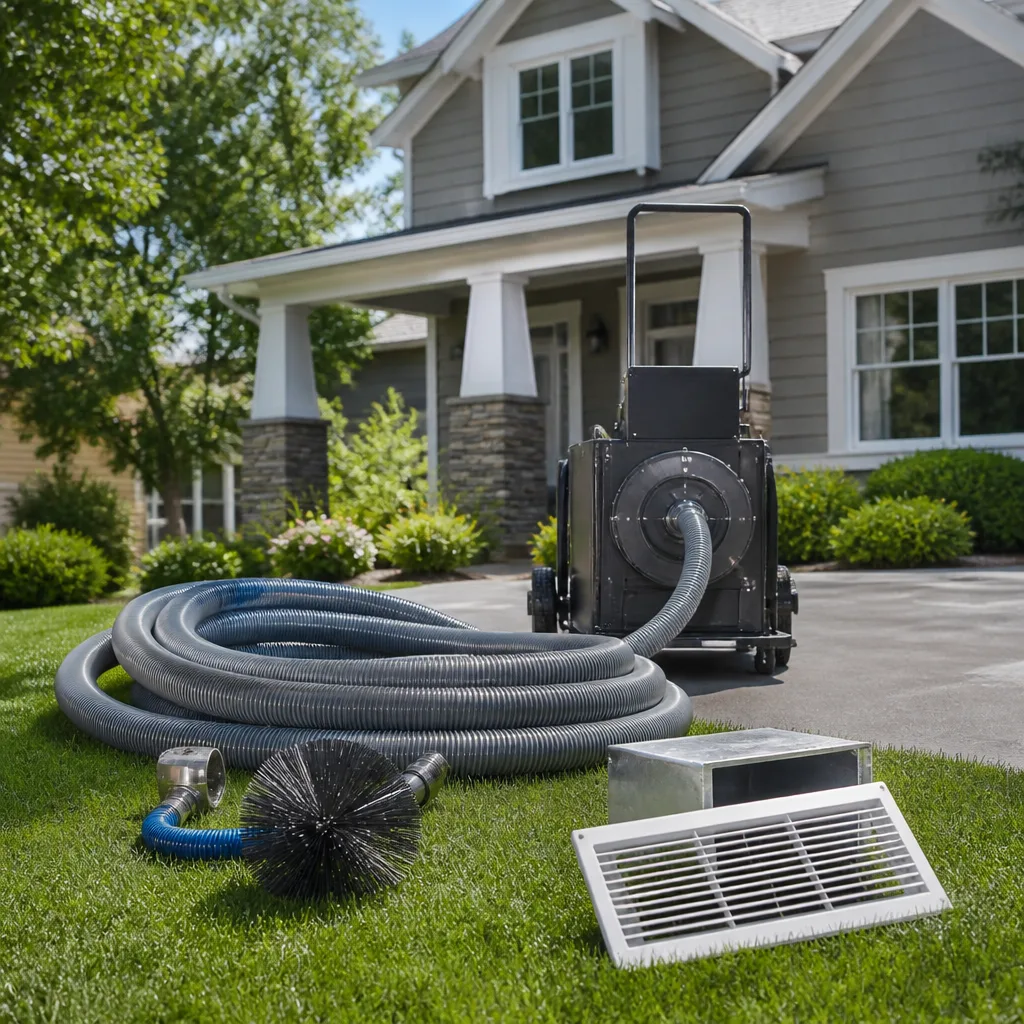 Whole-home duct cleaning
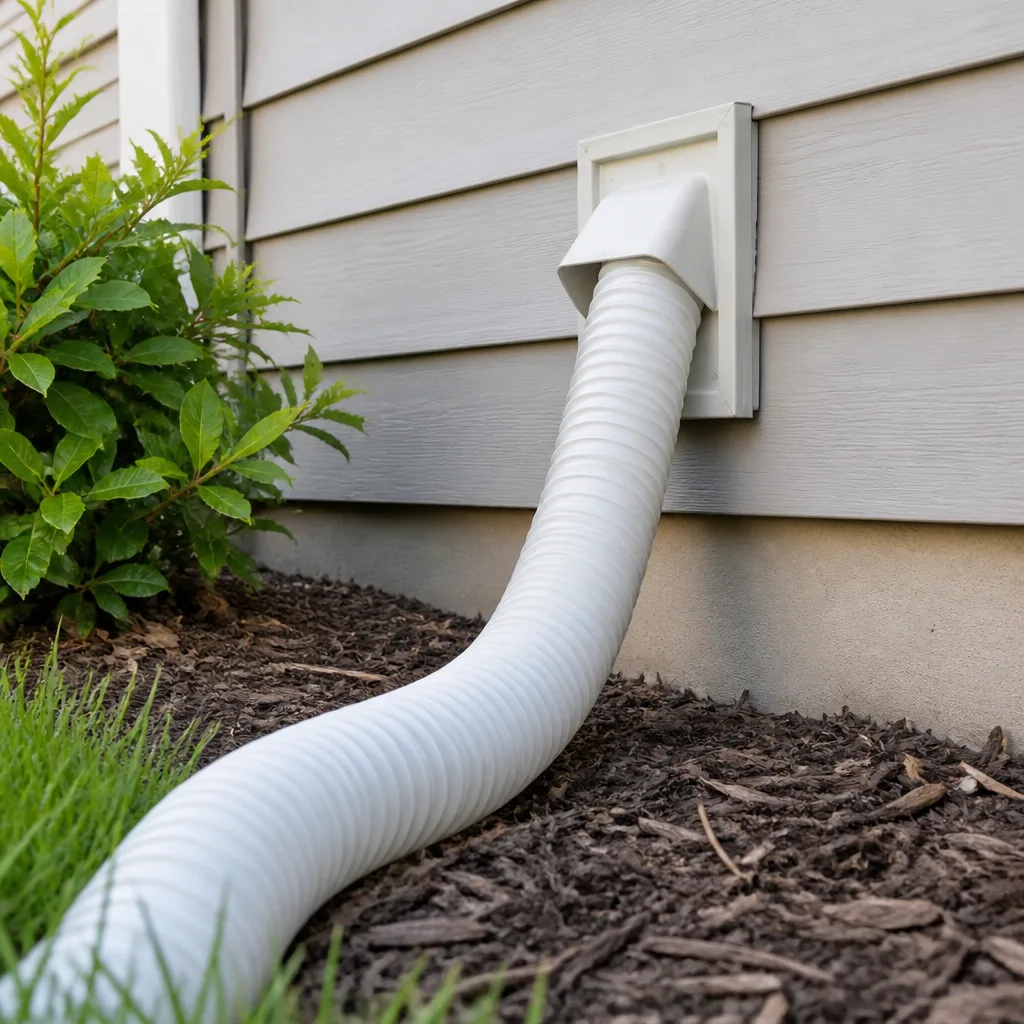 Dryer vent cleaning
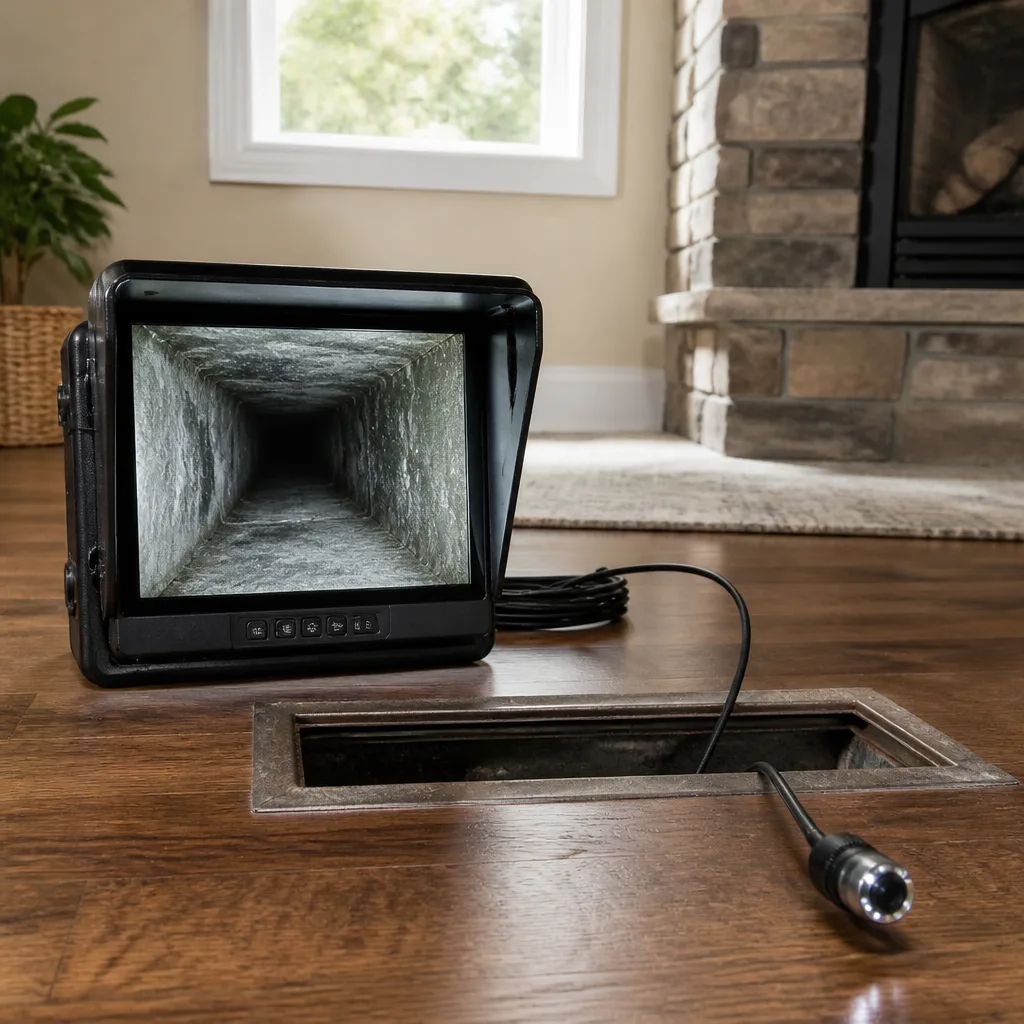 Camera inspection
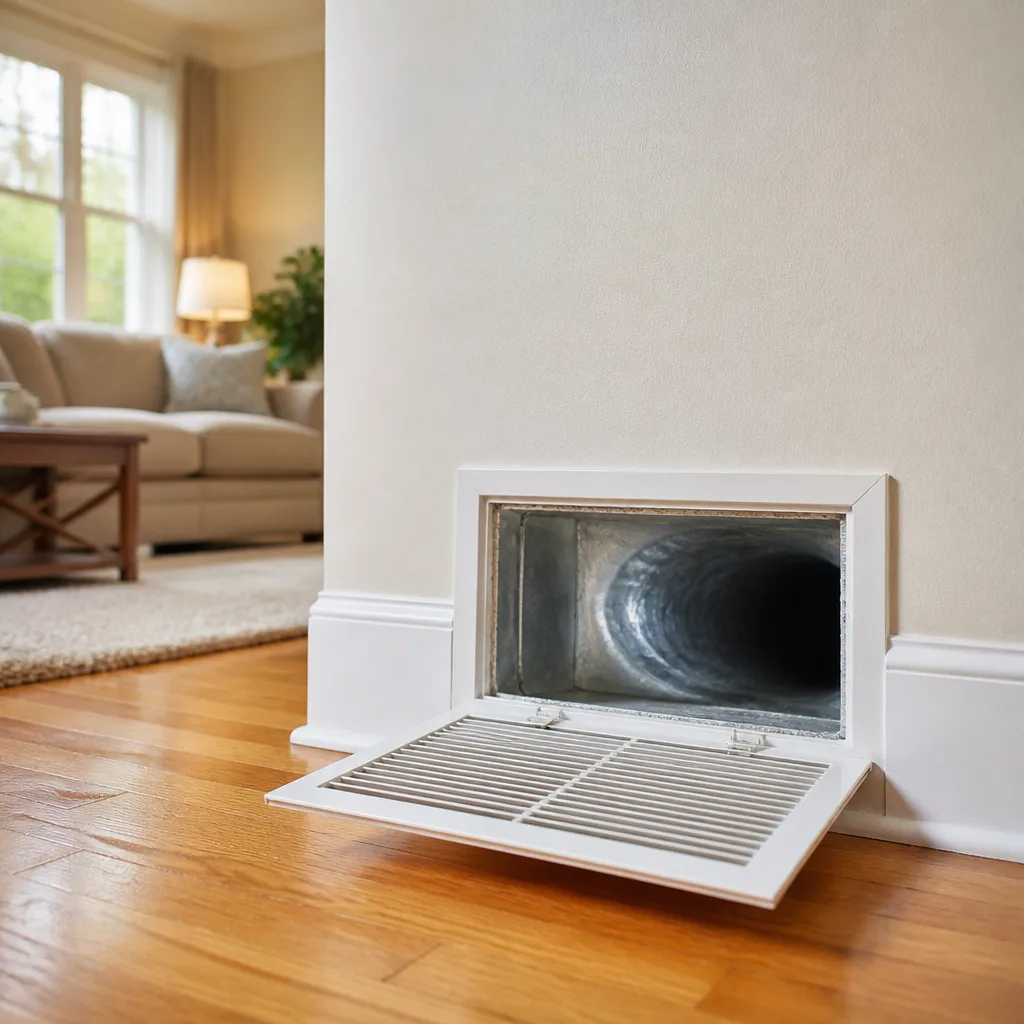 Sanitizing & deodorizing
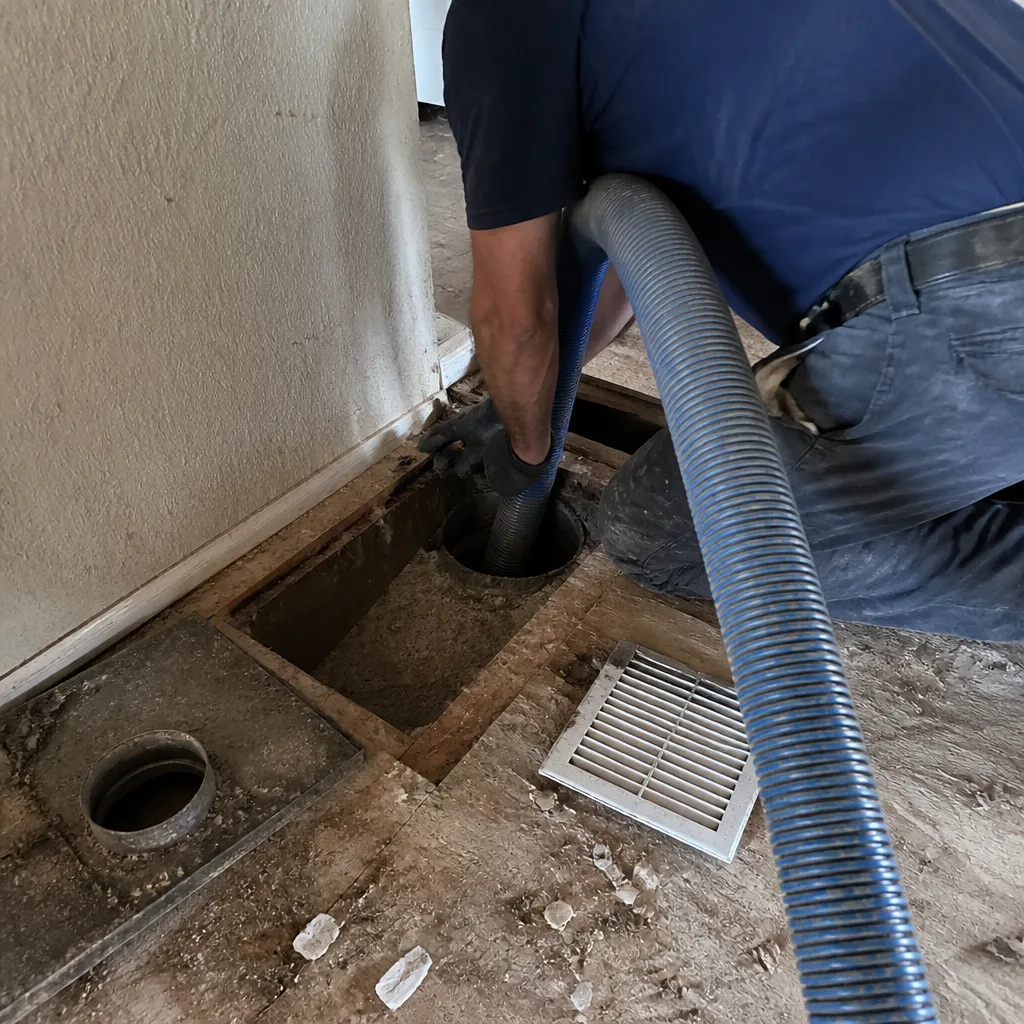
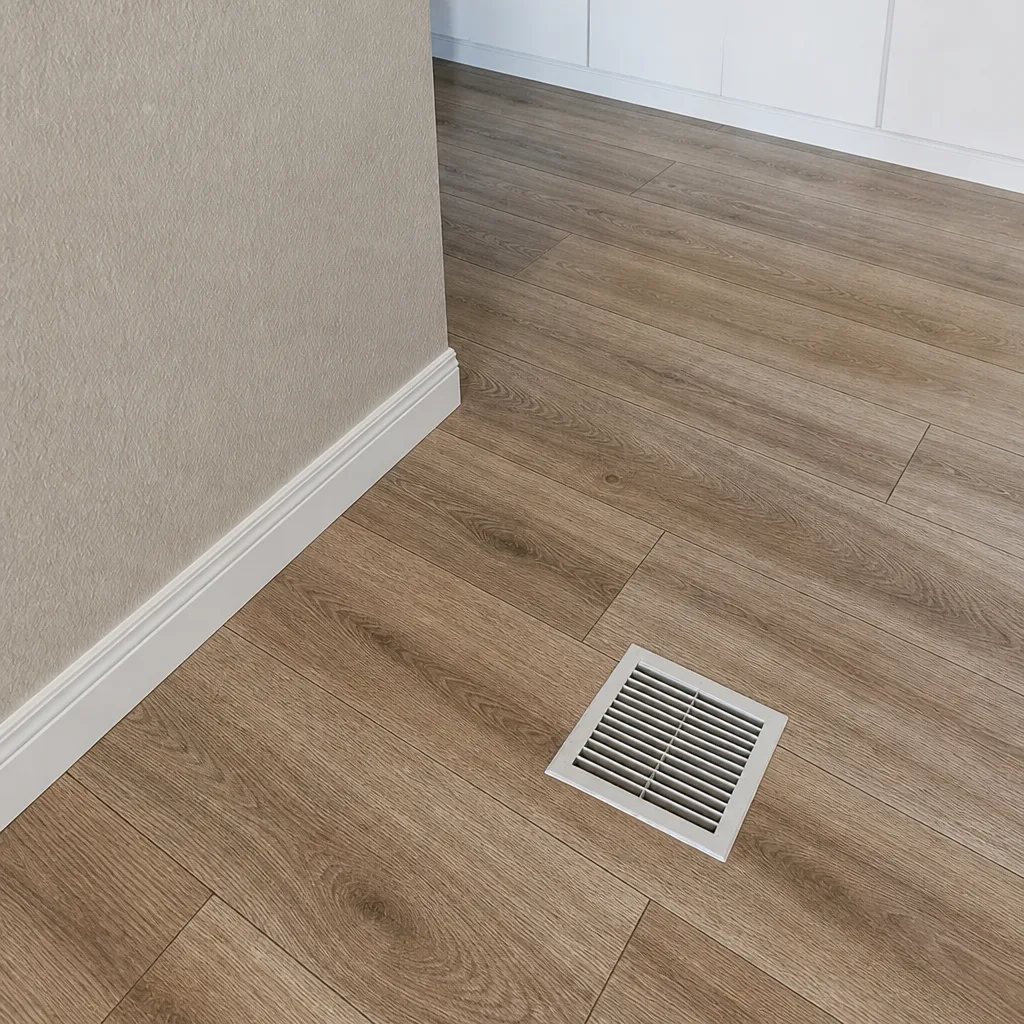
Whole-system duct and dryer vent check with before-and-after photos - you see exactly what came out of your vents
That "$99 whole-house special" is a bait ad - the real number appears once they are in your hallway, or the "clean" is a shop-vac at the register. We photograph the inside of your ducts before and after instead.
DIY vs Professional Air Duct Cleaning: The League City Homeowner’s Decision Guide
You can do real, useful duct maintenance yourself. You cannot clean your ducts yourself, and the difference between those two statements is what this guide is about. The framing most homeowners arrive with (“should I DIY or hire someone?”) hides the actual question, which is: what part of this work is physically achievable with the equipment in your garage, and where does that equipment stop being able to do the job at all? In League City’s humid air, that line matters more than it does in a dry climate, because disturbing contamination without capturing it can push the problem deeper rather than solve it. Below, we’ll walk through exactly what you can handle, what requires contractor-grade tools, and how to use the first to extend the interval before you need the second.
Quick Answer
DIY air duct maintenance is legitimate and worth doing: you can clean your registers, wipe the accessible boots where ducts meet the floor, upgrade your filters, and spot problems with a flashlight and a phone camera. What you cannot do yourself is remove accumulated contamination from the interior of your duct runs, because that requires sustained negative pressure and mechanical agitation from equipment costing $15,000 to $40,000. Attempting it with a shop vac and a brush kit doesn’t clean the system – it lifts settled debris into your airstream, and in a humid climate that’s a worse outcome than leaving it alone. DIY the surface. Hire out the interior.
Styles & brands we work with
- Whole-home duct cleaning
- Dryer vent cleaning
- Camera inspection
- Sanitizing & deodorizing
Table of Contents
- Where the DIY line actually falls
- Why negative pressure is the whole ballgame
- The humidity problem nobody warns you about
- DIY tools that work (and the ones that don’t)
- When professional cleaning isn’t optional
- How to extend the interval between cleanings
- How to evaluate a duct cleaning quote
- Building a maintenance rhythm that fits your home
Where the DIY Line Actually Falls
The line isn’t about difficulty or courage or which YouTube video you watched. It’s about physics and equipment. Here’s how we’d draw it for a League City homeowner:
Firmly inside the DIY zone:
- Pulling and cleaning every supply and return register grille. These are removable with a screwdriver, washable in a utility sink, and dry quickly in our humidity if you towel them off.
- Wiping the visible interior of the duct boot – the short section you can reach from the register opening with a damp microfiber cloth. This is the part that collects dust, pet hair, and the occasional LEGO.
- Changing your filter on the manufacturer’s interval and choosing one rated appropriately for your system, not the thickest one on the shelf.
- Visually inspecting accessible runs with a flashlight or a phone camera on a selfie stick, looking for visible mold, pest droppings, disconnected joints, or heavy debris.
- Keeping return grilles unobstructed and vacuuming around them so the system isn’t pulling loose material in from the floor.
Firmly outside it:
- Anything requiring access to the interior length of the duct run, past the first few inches.
- Removing settled or adhered debris from duct walls, which is where the air-quality-relevant contamination lives.
- Establishing containment so that removed material doesn’t redistribute into living space.
- Assessing or correcting disconnected, crushed, or damaged duct sections.
- Any cleaning of a system with confirmed mold, rodent activity, or flood exposure.
The gap between those lists isn’t a marketing construct. It’s a hardware gap, and the next section explains why.
Why Negative Pressure Is the Whole Ballgame
Professional duct cleaning is built around one principle: put the entire duct system under continuous negative pressure while you agitate the contamination loose, then filter the air you’re exhausting. Source removal, done right, means debris leaves the system and ends up in a HEPA filter – not in your living room. Achieving that requires equipment you can’t rent at a big-box store.
Here’s what a real professional setup looks like, in plain terms:
- A high-powered vacuum unit connected to the system at a strategic point, pulling a sustained negative pressure across the entire run. Consumer shop vacs move air but can’t hold a whole duct system under negative pressure while work happens elsewhere.
- Mechanical agitation – typically a rotating brush system on a flexible whip, driven through the duct, physically dislodging debris that suction alone leaves on the walls. We use Rotobrush systems for exactly this reason: suction pulls loose dust, but adhered buildup has to be scrubbed.
- HEPA-rated filtration on the exhaust side, so fine particulate – the fraction that actually affects air quality – is captured at the source. Nikro HEPA-rated equipment is what we run for this.
- Containment equipment for contaminated systems. Abatement Technologies gear is what restoration contractors use after water damage or a renovation; we keep it in the kit because some League City ducts genuinely need containment-grade cleaning, not a light pass.
Add that up and you’re looking at $15,000 to $40,000 in equipment. That’s the honest reason no homeowner is replicating this with a rental. It’s also the reason a $99 “duct cleaning” that shows up with a shop vac and a hose isn’t doing the same job – it’s doing the surface pass you could have done yourself, and charging you for it.
The Humidity Problem Nobody Warns You About
League City’s climate is not a footnote to this discussion. It’s central to it.
Our humidity means duct interiors stay damp for longer stretches than in dry parts of the country. That matters in two ways. First, settled dust in a humid duct can support surface microbial growth in a way dry dust won’t. Second, and this is the part that catches DIYers – disturbing that debris without capturing it does something specific and bad: it suspends the material into the moving airstream, where it gets distributed through the house and, over time, redeposited deeper into the system than it started.
Think about what a shop vac attached to a register actually does. It pulls air (and some loose material) from the opening. It doesn’t create negative pressure across the run. It doesn’t scrub the walls. It doesn’t filter the exhaust to HEPA standard. What it does do is stir up the settled layer right at the boot and liberate the fine fraction – which is exactly the fraction that travels. A partial cleaning in humid conditions can turn a stable, settled contamination layer into an airborne one, and redeposit it further down runs that were previously fine.
We’ve seen this pattern in League City homes more than once: a homeowner does a weekend “duct cleaning” with consumer equipment, notices a dust spike for a few days, and then the ducts look clean because the visible layer is gone. It isn’t gone. It’s redistributed. If you’re going to disturb contamination, you need to capture it in the same motion, and that’s the whole reason professional equipment looks the way it does.
One practical note for League City homeowners: if your home has a whole-house dehumidifier or premium filtration equipment – Honeywell or Aprilaire systems, for example – DIY duct work around those components is riskier than it looks. Technicians who work with those systems regularly know how to clean without bypassing or damaging them. A homeowner with a shop vac and good intentions often doesn’t.
DIY Tools That Work (and the Ones That Don’t)
There’s a useful middle shelf of equipment between “do nothing” and “hire a pro,” and it’s worth knowing what belongs on it.
Worth owning:
- A good cordless or canister vacuum with a crevice tool and a soft brush attachment – for registers, boots, and the immediate area around them.
- Microfiber cloths and a spray bottle of mild detergent solution for wiping boot interiors.
- A screwdriver set for removing register grilles without stripping screws.
- A flashlight with a narrow beam, or a phone camera on a flexible mount, for inspecting what you can see.
- The correct replacement filters for your system, in the right MERV rating and the right dimensions.
Worth owning but often used wrong:
- Consumer duct cleaning brush kits (the flexible whip-and-brush sets sold online). These are fine for the first foot or two of a straight run from a register. They can’t clean a long run, they can’t reach around elbows effectively, and they don’t capture what they loosen.
Not worth owning for this job:
- Shop vacs attached to registers – the negative pressure problem above.
- Compressed air “blowout” tools – these do the opposite of what you want. They push debris into the system rather than removing it.
- Any product marketed as a “duct cleaning fogger” or “sanitizing mist.” If the debris is still on the walls, misting it does nothing but add moisture to a humid system.
A $60 dryer vent brush kit used on a dryer vent is a different story – but even there, understand the limits. Lint in the exhaust path is the leading cause of dryer fires, and a partial pass with a consumer brush often leaves the compacted lint that’s actually dangerous. We treat dryer vent cleaning as a dedicated fire-safety service rather than an add-on, because that’s what it is.
When Professional Cleaning Isn’t Optional
There are situations where the DIY conversation stops. Not because the homeowner lacks skill, but because the contamination profile demands equipment and containment that consumer tools cannot provide.
- After a flood or significant water intrusion. Water in a duct system in a humid climate is a microbial growth scenario, not a dust scenario. Restoration-grade containment and HEPA capture aren’t optional here.
- After major renovation. Drywall dust, sawdust, insulation fibers, and construction debris travel through the system and settle in ways a shop vac can’t address. Post-renovation debris is often sharp, abrasive, and fine – exactly the profile that requires source capture.
- Confirmed or suspected mold. Visible growth at registers, musty odor that returns after cleaning surfaces, or a history of moisture issues. This is a job for containment-grade equipment, not a brush kit.
- Rodent intrusion. Droppings, nesting material, and the contamination that comes with it need full removal and often duct repair – chewed or disconnected sections are common.
- New construction debris. Drywall dust, construction adhesive off-gassing, and the general debris of a build-out settle into new ductwork before the first filter change.
- Any system with damaged or disconnected duct sections. Cleaning a system with leaks doesn’t work; the negative pressure escapes. Duct repair needs to happen first or alongside – and we offer that as part of the same visit.
Outside those categories, professional cleaning is a maintenance decision, not an emergency. Inside them, it’s the only sensible option.
How to Extend the Interval Between Cleanings
This is where DIY maintenance earns its keep. The point of homeowner upkeep isn’t to replace professional cleaning – it’s to make it less frequent and more effective when it happens.
- Change filters on the manufacturer’s schedule, and don’t overshoot. A filter loaded with dust reduces airflow and lets more material bypass into the system. Cheapest insurance you can buy.
- Clean registers every few months. Wipe both sides of the grille. In a humid climate, dust that sits on a grille can support surface growth.
- Vacuum around returns regularly. Keeping the floor area near return grilles clear stops the system from pulling loose material in.
- Fix moisture problems at the source. Leaks, poor ventilation, and standing water around the air handler are the upstream causes of duct problems in League City homes.
- Do a visual inspection twice a year. Flashlight, phone camera, five minutes at each accessible register. Note anything that looks like growth, pest activity, or disconnected joints and call rather than guess.
- Keep up with the dryer vent. Separate system, same principle. Lint buildup is a fire-safety issue and benefits from a dedicated professional cleaning on a reasonable interval.
- Track your filter replacements and cleaning dates. A simple note in your phone is enough. When a professional asks when you last had the ducts cleaned, you’ll know.
If you do all of that faithfully, you’re likely extending the sensible interval between professional cleanings – and you’ll know when it’s time, because you’ll have a baseline to compare against. Our air duct cleaning service is built to work alongside that level of homeowner engagement, not replace it.
How to Evaluate a Duct Cleaning Quote
League City has no shortage of duct cleaning offers, and the spread in pricing usually reflects a spread in equipment and scope, not a spread in profit margin. Here’s how to tell the difference before you book.
- One flat price per system, agreed before work starts. This is the single most important line item. Per-vent pricing creates an incentive to find more vents; teaser coupon pricing creates an incentive to upcharge once the technician is on site. A written estimate for the whole system removes both.
- Ask what equipment they run. Legitimate operators name their systems – Rotobrush, Nikro, Abatement Technologies are the names we and other serious operators use. If the answer is vague, or “we use a special vacuum,” ask for a photo.
- Ask whether they do duct repair. Many duct cleaning companies clean only. If your system has a disconnected joint or crushed run, cleaning without repairing it is a partial job. We clean ducts and we also fix them; the two belong in the same visit when a problem is found.
- Ask for before-and-after photos of your own ducts. Not stock images, not “typical results” – yours. If they can’t produce them, the work wasn’t documented.
- Ask how they handle premium filtration equipment. If your home has Honeywell or Aprilaire components, the technician should know how to work around them without bypassing or damaging them.
- Be suspicious of fogging, misting, or “sanitizing” as a headline service. Source removal is the work. Anything applied after is a secondary step, not the point.
The honest answer to “why are some quotes so much cheaper” is that they’re a different service. A surface pass with consumer equipment is what a rock-bottom quote buys. If you’ve had one of those and it made no visible difference, the next call should be to someone with contractor-grade gear and a written estimate.
Building a Maintenance Rhythm That Fits Your Home
Every home in League City has a different rhythm, and it’s driven by a few basic variables: pets, occupants, whether anyone in the house has respiratory sensitivity, whether the home has had recent renovations or water events, and how well the filtration system is maintained. Rather than a rigid calendar, think in terms of triggers.
Triggers that reset the clock:
- A renovation that generated significant dust.
- Any water event in the home that could have affected the duct system.
- Rodent activity, even briefly.
- Moving into a home where you don’t know the previous owner’s maintenance history.
Ongoing rhythm to maintain:
- Filter changes on the manufacturer’s schedule, without exception.
- Register cleaning every few months.
- Visual inspection twice a year, with notes on anything unusual.
- Dryer vent cleaning on a schedule that reflects your laundry volume, not a fixed number of years.
- Professional duct cleaning when triggers accumulate or when a visual inspection turns up something you can’t explain.
For property managers in League City responsible for multiple units, the same logic scales. A per-property maintenance log, a filter replacement schedule per unit, and a documented professional cleaning on turnover or after any renovation event will do more for tenant satisfaction and system longevity than any single intervention. The League City rental market moves quickly, and a documented maintenance history is a selling point.
What we’ve found in our experience is that the homeowners who get the most out of professional duct cleaning are the ones who did the homeowner-side work first. They know their system, they’ve kept the filters honest, and they can describe the problem clearly when they call. That makes the professional visit more targeted.
Common Mistakes to Avoid
- Treating a shop vac as a duct cleaning machine. It moves air but can’t establish system-wide negative pressure or scrub duct walls. In a humid climate, using one on a register can suspend settled debris into the airstream. Skip it.
- Using compressed air to “blow out” a duct run. This is the opposite of cleaning. It pushes contamination deeper and into living space. There is no scenario in which this helps.
- Buying a cheap coupon cleaning and assuming the work is done. A low teaser price typically buys a surface pass with consumer equipment. If the ducts looked the same after, they probably are the same. Ask for before-and-after photos of your own ducts before you pay.
- Ignoring disconnected or crushed duct sections. Cleaning a system with leaks doesn’t clean anything; the negative pressure escapes. Duct repair has to be part of the conversation, not a separate specialty you find later.
- Skipping dryer vent cleaning because the dryer still works. Lint accumulation in the venting is the leading cause of dryer fires, and “the dryer still dries” is not a safety test. Treat it as fire-safety maintenance, not a convenience.
- Misting or fogging ducts without removing the debris first. Adding moisture to a contaminated system in a humid climate is worse than leaving it alone. Source removal first, always.
- Letting a premium filtration system get bypassed or damaged. Honeywell and Aprilaire components require specific handling. Ask any contractor how they work around them before they start.
- Cleaning after a flood or renovation without containment. Post-flood and post-renovation debris profiles need restoration-grade equipment. Consumer gear in those scenarios spreads the problem.
See the difference
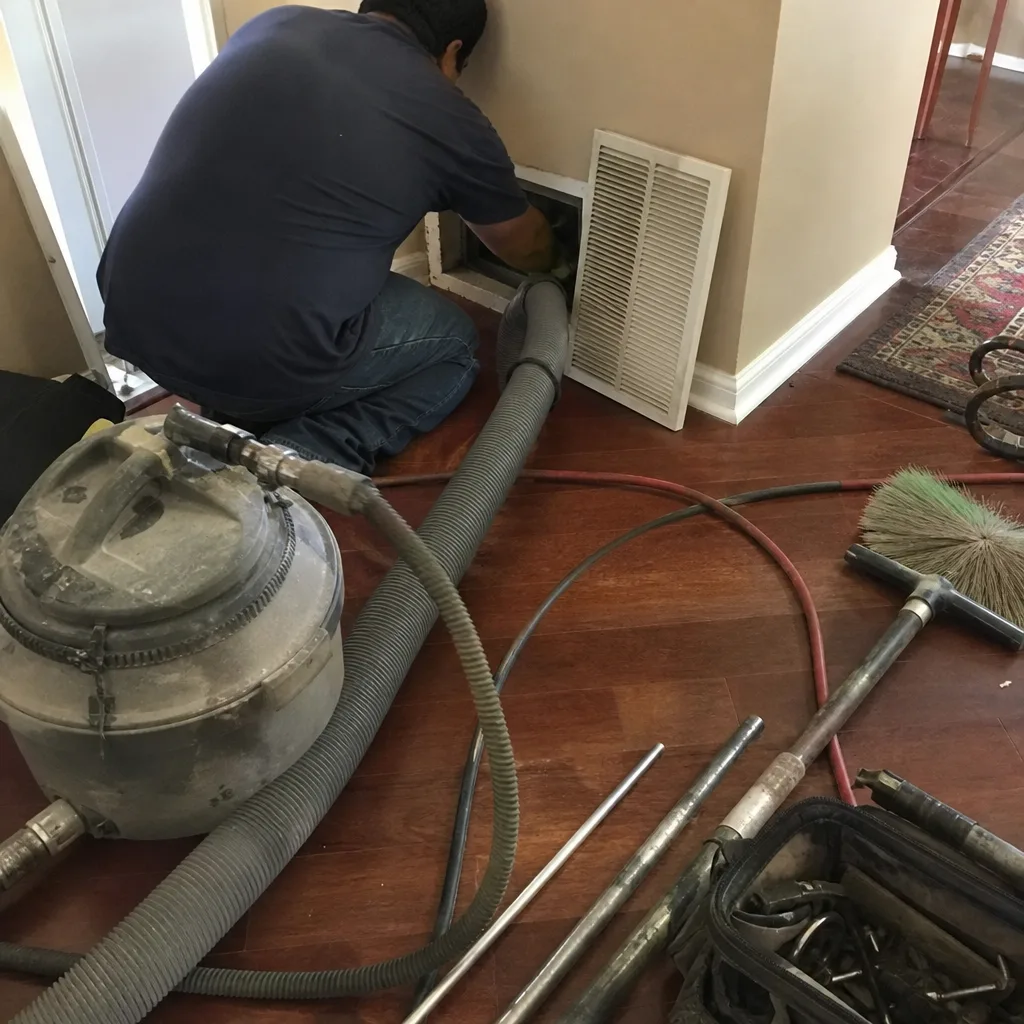 Before
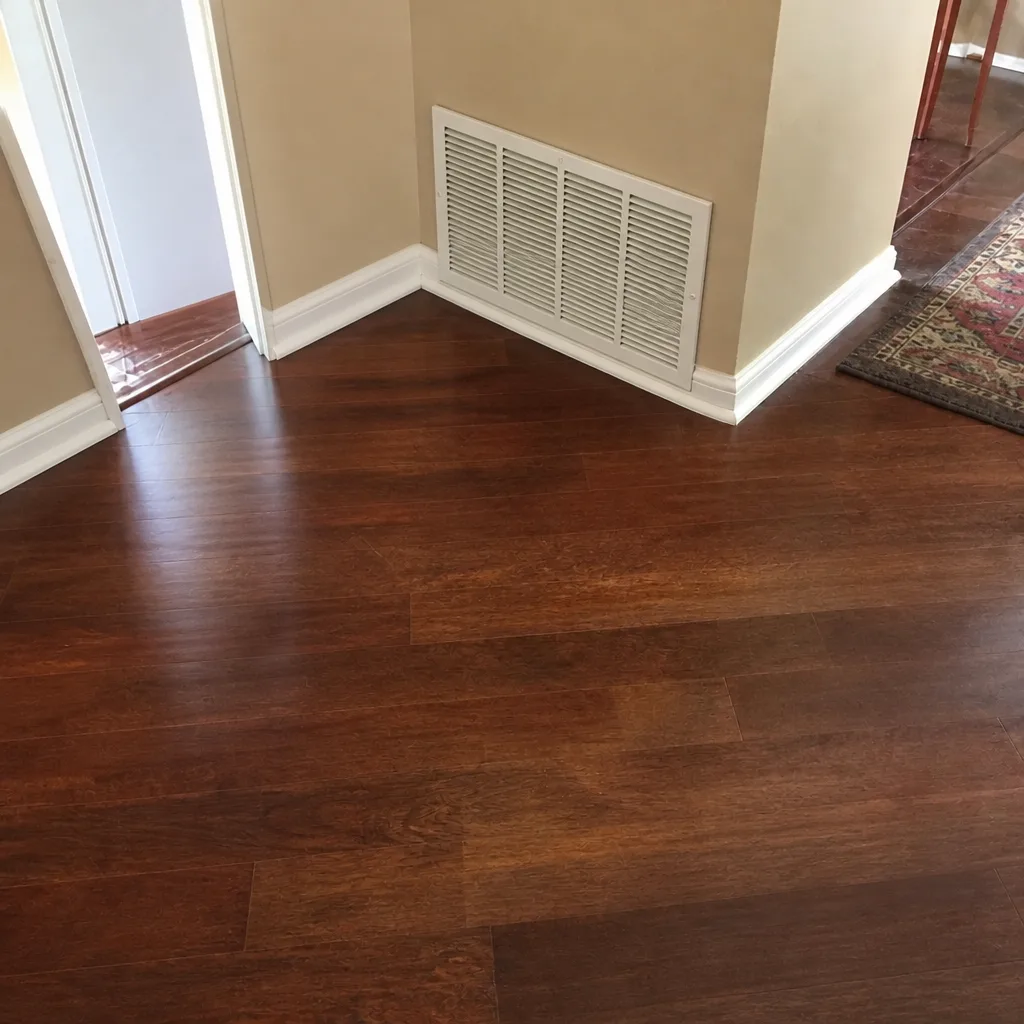 After
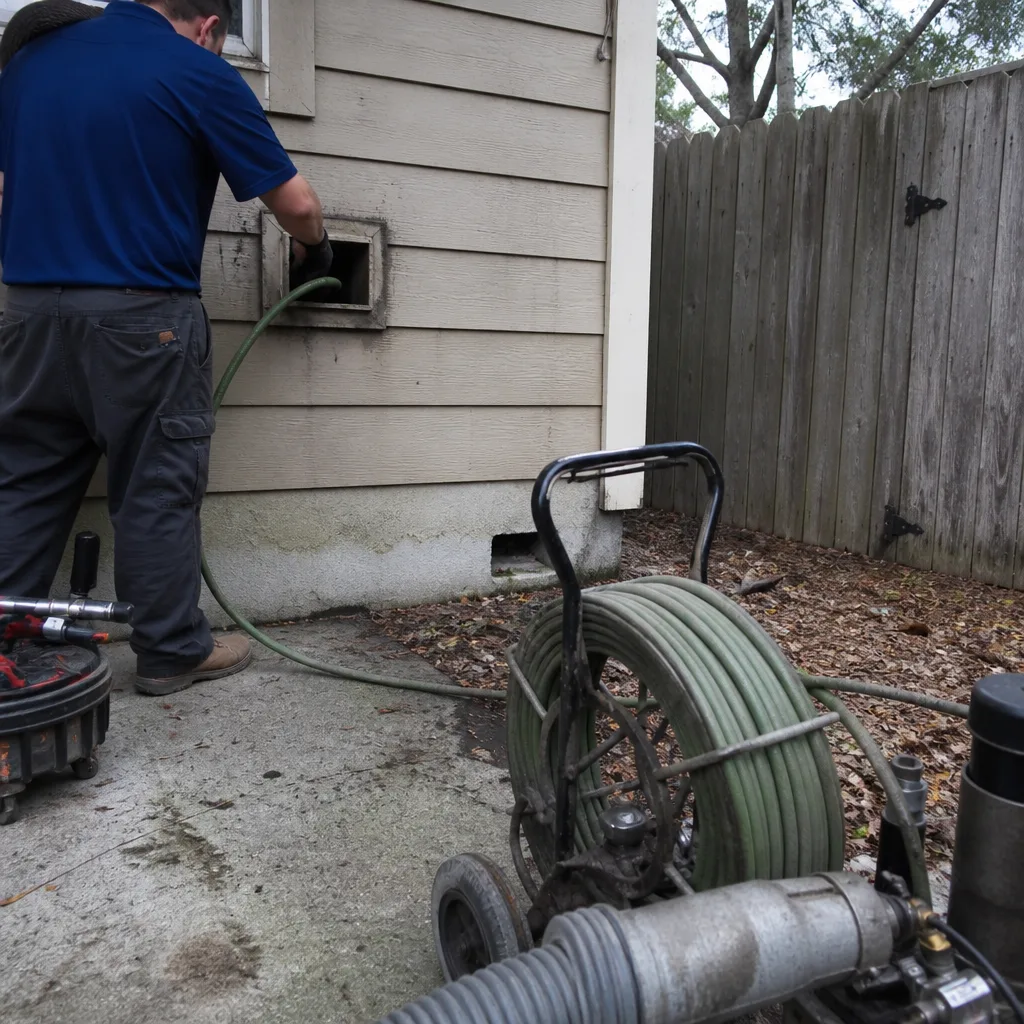 Before
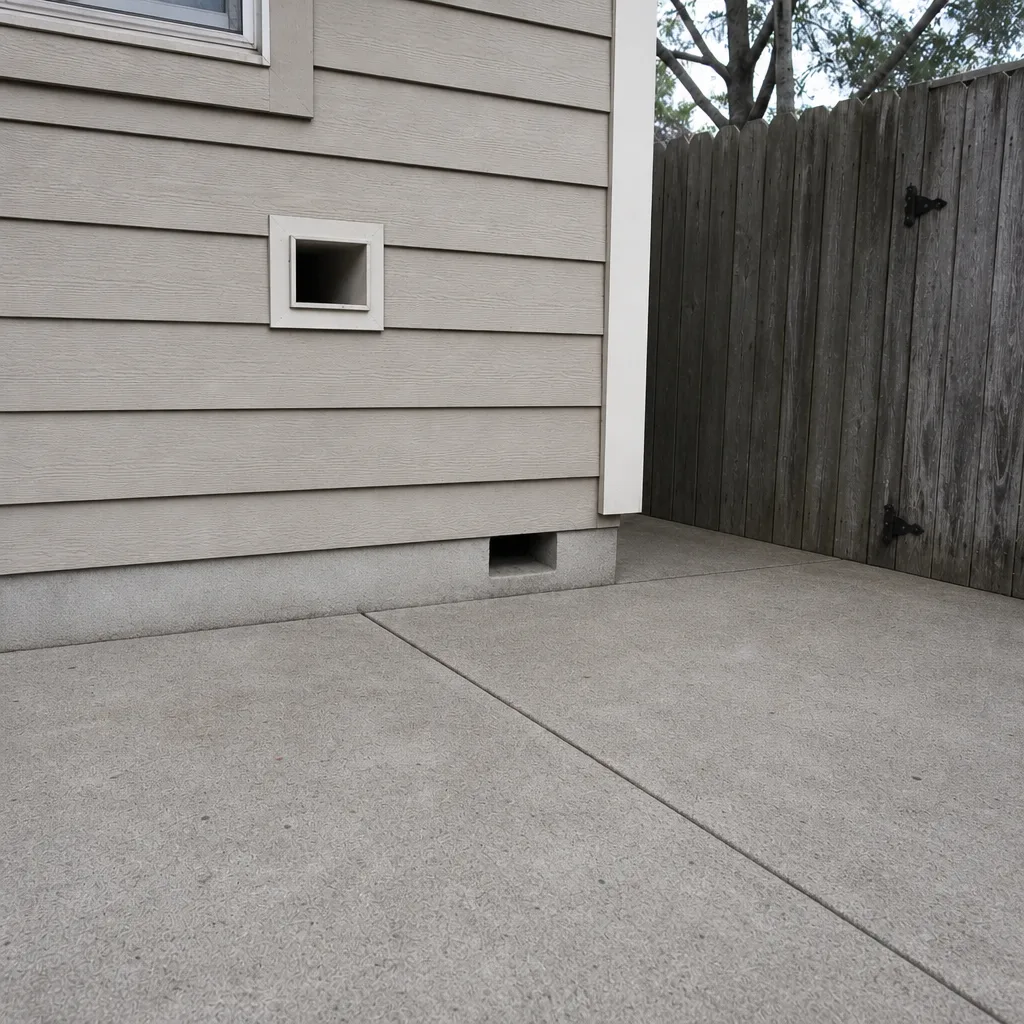 After
 Before
 After
When to Call a Professional
Call a professional when the job crosses from surface maintenance to interior source removal, or when the contamination profile includes mold, water, rodents, construction debris, or a system problem you can see but can’t diagnose. Call when a DIY attempt made things visibly worse. Call when your dryer vent hasn’t been cleaned in a long while and the dryer is the only thing standing between lint and the exhaust path. And call when you want a written estimate before committing, because that’s what a legitimate operator provides. Duct Cleaning League City offers free estimates in League City – call (866) 942-5170. We answer 24/7. Fast dispatch from 7am to 7pm, Sunday through Friday.
Frequently Asked Questions
You can clean your registers, wipe accessible duct boots, change filters, and inspect visually – and you should. You cannot remove accumulated contamination from duct interiors, because that requires sustained negative pressure and mechanical agitation from equipment in the $15,000 to $40,000 range. In League City’s humidity, attempting it with consumer tools can redistribute debris into the airstream instead of removing it. Call (866) 942-5170 for an exact quote – estimates are free.
Whole-system cleaning is typically priced per system rather than per vent, with the written estimate setting the final price after a technician walks the system. Be skeptical of any quote that can’t be explained as a flat system price, and of teaser coupon figures that grow once the technician is on site. Call (866) 942-5170 for a free estimate on your specific system.
Because they’re a different service. A very low quote usually reflects a surface pass with consumer-grade equipment – no system-wide negative pressure, no mechanical brush, no HEPA capture. That’s a service you could broadly approximate yourself; it isn’t source removal. The right comparison isn’t price to price, it’s equipment to equipment. Call (866) 942-5170 and we’ll walk you through what a fair scope looks like for your home.
Ask for before-and-after photos of your own ducts, not stock images. Ask which equipment will be used and get the names – Rotobrush, Nikro, Abatement Technologies are the names serious operators use. Ask for a written estimate before work begins. If any of those requests are refused or deflected, that’s your answer. Call (866) 942-5170 for a free estimate with documentation.
For most homes, the honest answer is “when there’s a reason” rather than on a fixed calendar. Triggers include a renovation, a water event, rodent activity, moving into a home with unknown history, or persistent symptoms that point to the system. Between those events, homeowner upkeep – filters, registers, visual inspections – does most of the work. Call (866) 942-5170 if you’re unsure whether it’s time.
Different system, different equipment, different risk. Dryer vent cleaning is a fire-safety service because lint accumulation in the exhaust path is the leading cause of dryer fires. We treat it as a dedicated service rather than a tacked-on upsell, and we recommend it on a schedule that reflects your laundry volume. Call (866) 942-5170 for an estimate on both services together.
We do both. Our work includes duct repair for damaged or disconnected sections found during cleaning – which most duct cleaning companies don’t offer. Cleaning a system with leaks doesn’t clean it, because the negative pressure escapes; the two belong in the same visit. Call (866) 942-5170 for a free estimate on cleaning and any needed repairs.
That’s a reason to choose a specialist, not a worry. We work with Honeywell and Aprilaire filtration systems regularly and know how to clean around them without bypassing or damaging the components. Ask any contractor you consider how they handle those systems before they start. Call (866) 942-5170 to discuss your specific setup.
The Bottom Line
DIY duct maintenance is real work and worth doing: registers, boots, filters, visual inspections, and a healthy dose of honesty about what you can see. DIY duct cleaning, in the sense of removing accumulated contamination from duct interiors, is not a thing you can do with consumer equipment – not because the job is hard, but because the equipment required starts around $15,000 and can’t be approximated with a rental. In League City’s humidity, the attempt can make things measurably worse. Draw the line clearly, do the maintenance, and call a specialist when the contamination profile calls for source removal, containment, or duct repair. That’s the partnership that keeps your system working the way it should.
If you’re ready for an honest walkthrough of your system, call Duct Cleaning League City at (866) 942-5170 for a free estimate. We answer 24/7. Fast dispatch from 7am to 7pm, Sunday through Friday. Our technicians have up to experience, we use professional-grade equipment – the same tools restoration contractors use – and we clean ducts and repair them. You’ll get one flat price per system agreed before work starts, and before-and-after photos of your own ducts when the job is done. Visit Duct Cleaning League City to learn more about what we do.
Written by the team at Duct Cleaning League City.