
Last updated November 15, 2026
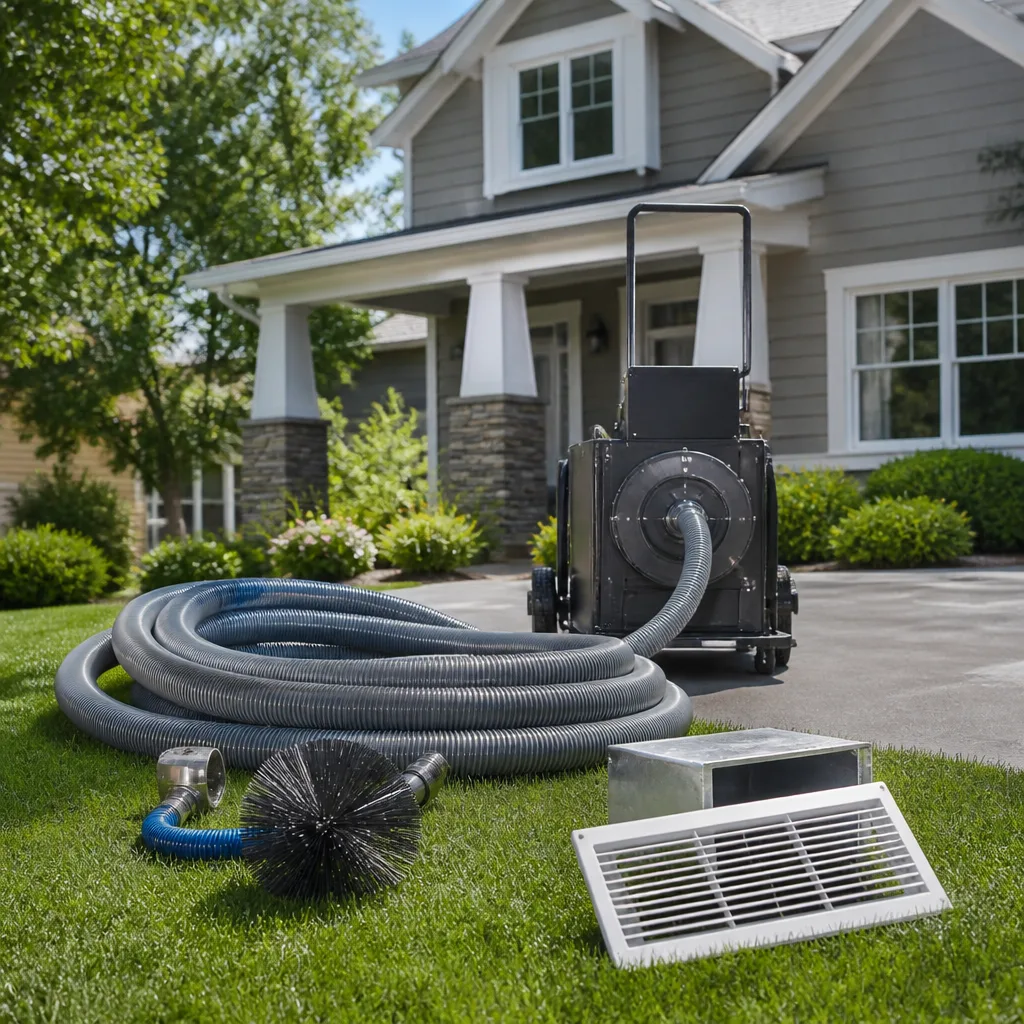 Whole-home duct cleaning
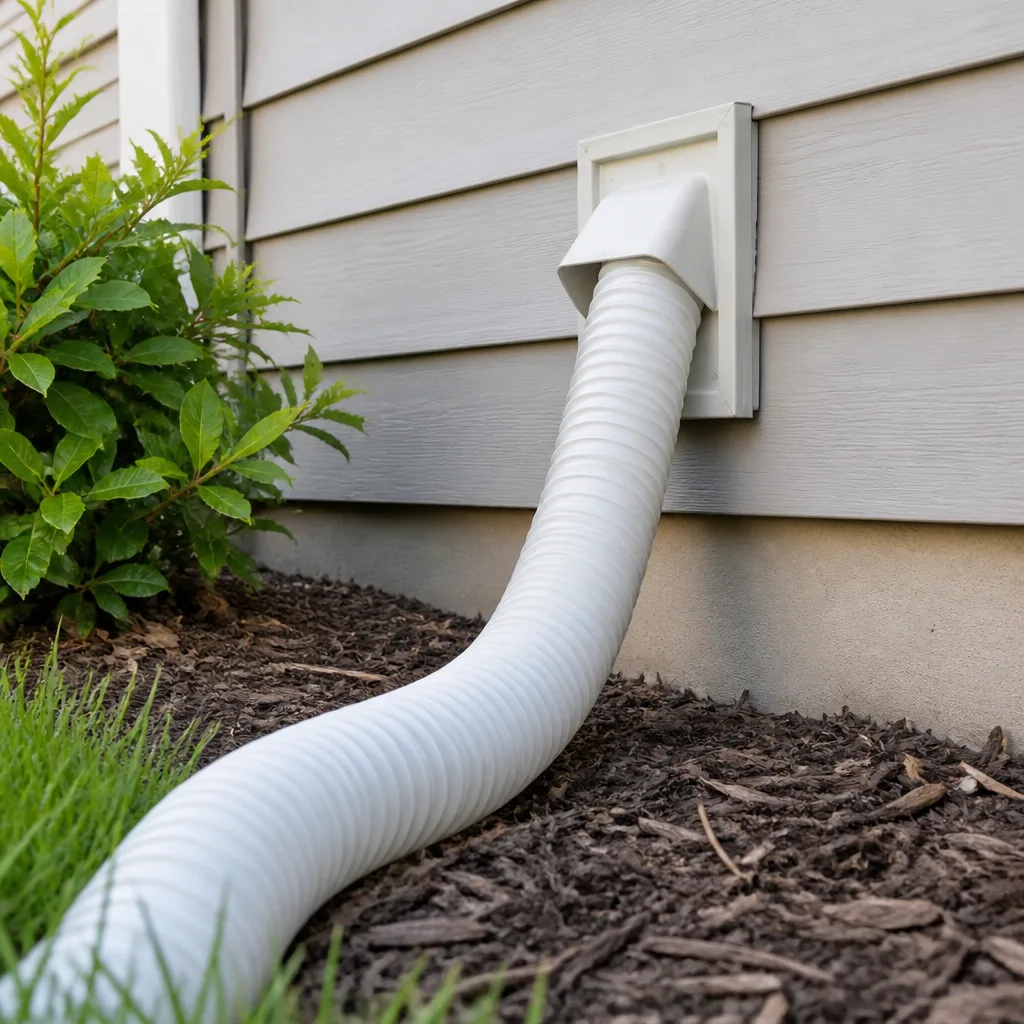 Dryer vent cleaning
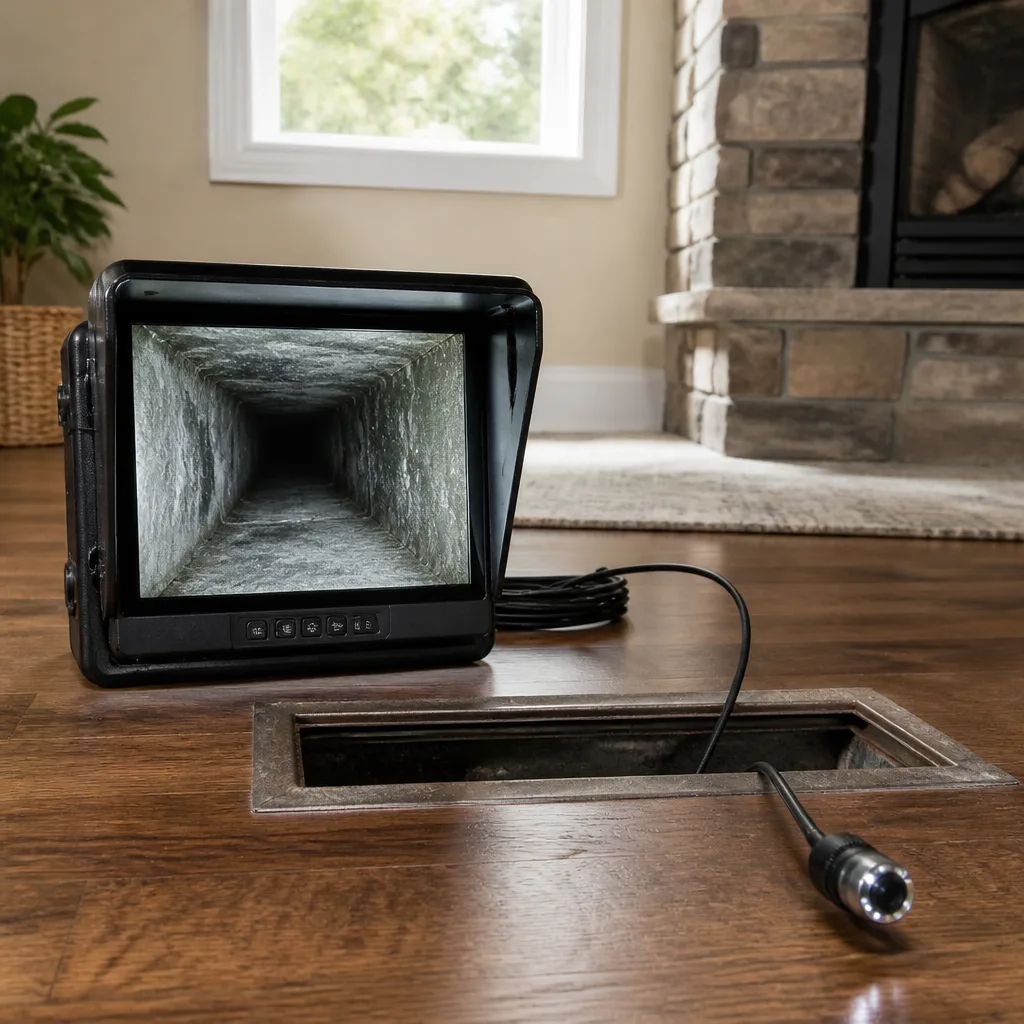 Camera inspection
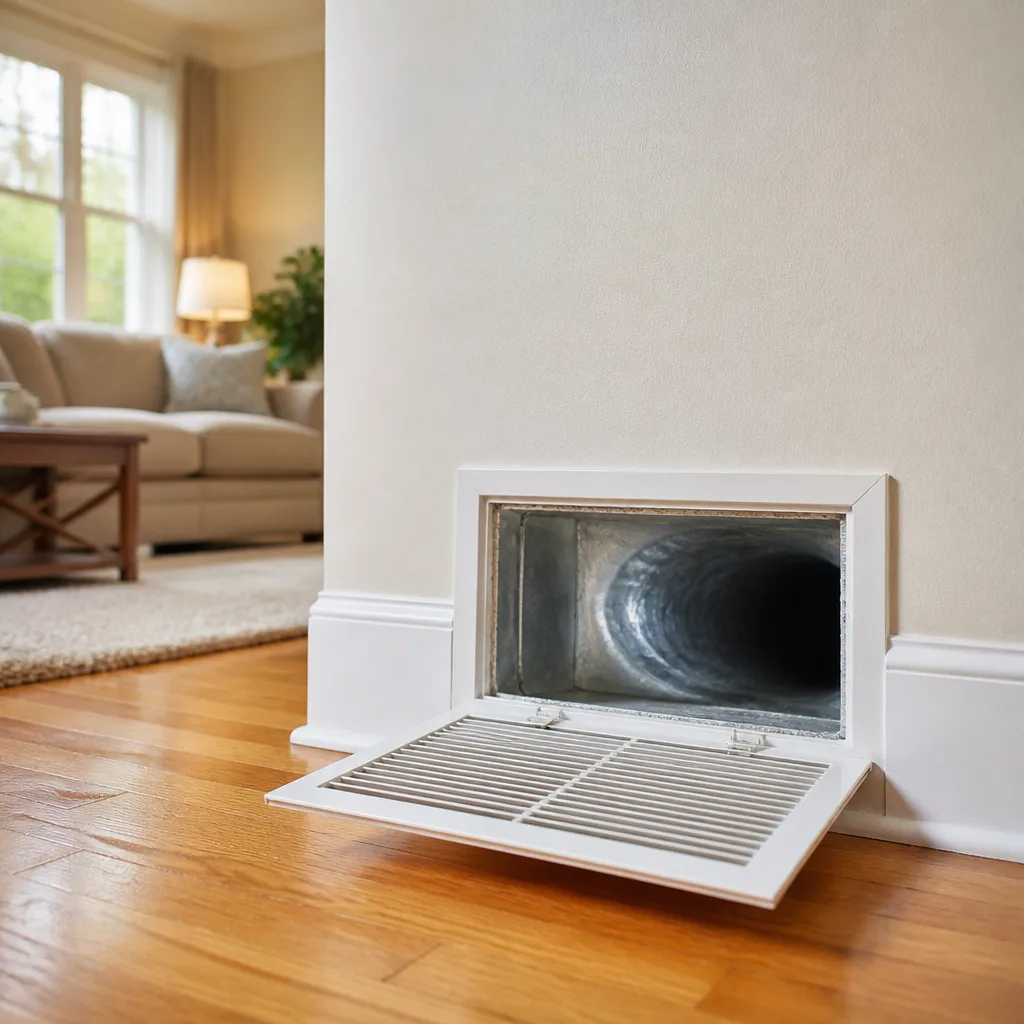 Sanitizing & deodorizing
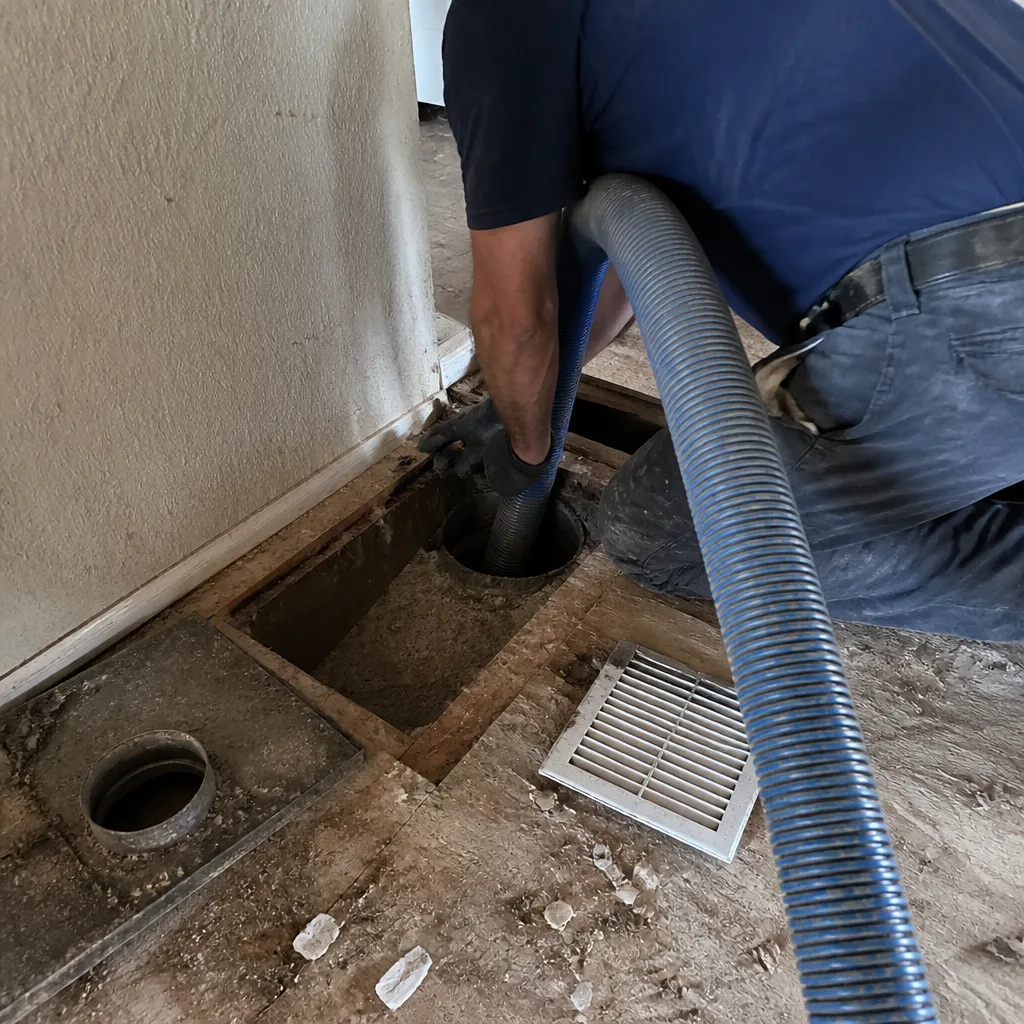
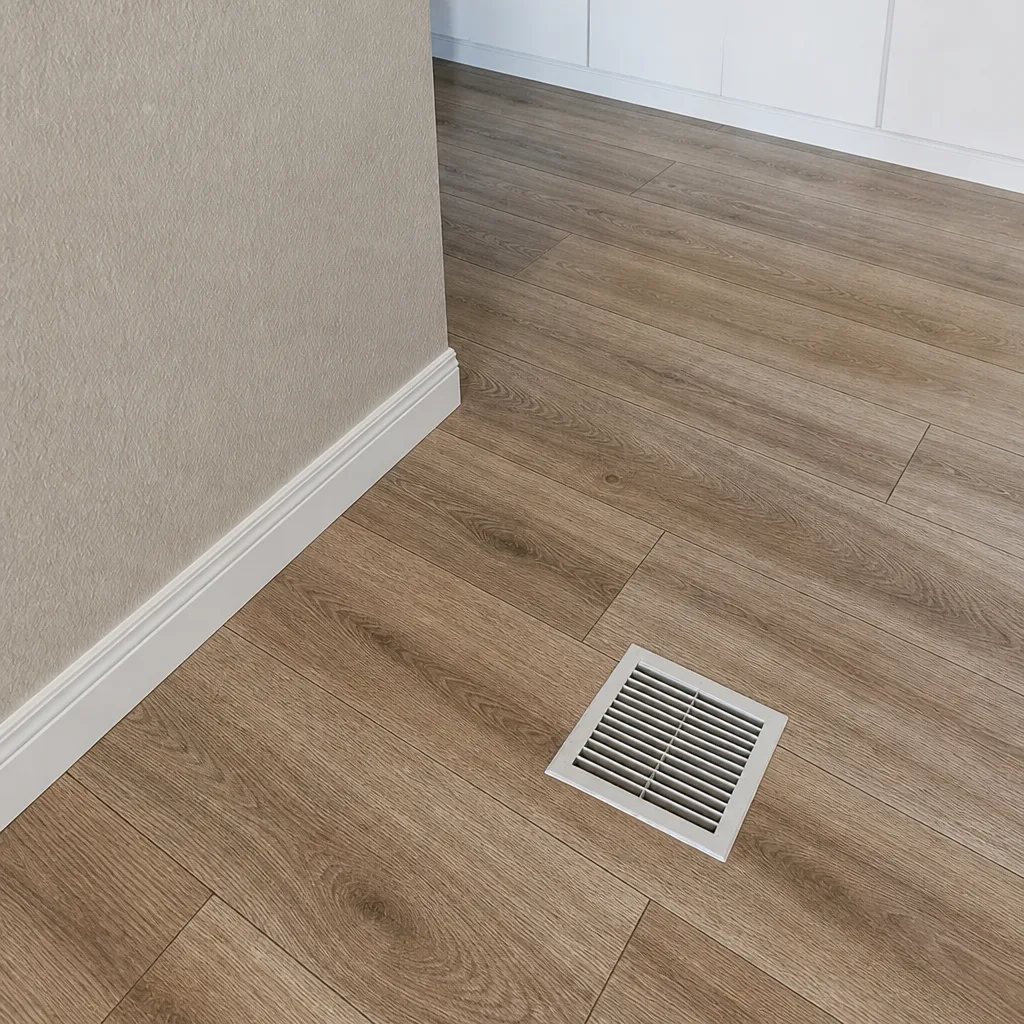
Whole-system duct and dryer vent check with before-and-after photos - you see exactly what came out of your vents
That "$99 whole-house special" is a bait ad - the real number appears once they are in your hallway, or the "clean" is a shop-vac at the register. We photograph the inside of your ducts before and after instead.
Air Duct Cleaning Cost Breakdown: The League City Homeowner’s Reference for 2026
A $149 whole-house duct cleaning quote isn’t a bargain. It’s a scope of work that cannot possibly cover the labor hours, equipment operation, and access work a legitimate cleaning requires. The number sounds generous until you ask what it actually buys. Across League City, homeowners see quotes for the same square footage swing from under $100 to nearly $900, and most price shopping advice never explains why. This guide does. We’ll walk through the real cost drivers in League City homes, the difference between per-vent and flat-rate pricing, which add-ons are legitimate, and how to build a comparison sheet that puts every quote on equal footing.
Quick Answer
Air duct cleaning in League City typically runs $350 to $750 for an average single-family home, with premium jobs involving heavy contamination, mold remediation, or duct repair reaching $900 or more. Whole-system flat pricing (rather than per-vent) usually reflects better value because the technician is paid to clean every branch of the system, not just count registers. The written estimate sets the final price, and a legitimate quote will itemize scope, access points, and equipment before any work begins.
Styles & brands we work with
- Whole-home duct cleaning
- Dryer vent cleaning
- Camera inspection
- Sanitizing & deodorizing
Table of Contents
- Why Do Duct Cleaning Quotes Vary So Much in League City?
- Per-Vent Pricing vs. Flat-Rate: Which One Actually Protects You?
- What Drives Cost in a League City Home?
- Equipment as a Quality Proxy: What’s in the Truck Matters
- Legitimate Add-Ons vs. Upsell Pressure
- How to Build a Comparison Spreadsheet for Every Quote
- What About Duct Repair and Disconnected Ducts?
- Dryer Vent Cleaning: A Separate Cost, A Separate Safety Purpose
Why Do Duct Cleaning Quotes Vary So Much in League City?
Duct cleaning quotes in League City range from $89 to $900 for what sounds like the same job. That gap isn’t a pricing glitch or a regional anomaly. It reflects three completely different things bundled under one label: service scope, equipment type, and technician skill. Two companies can quote the same house, use the same words, and deliver utterly different work.
Here’s what a $89 quote usually includes: a technician with a portable shop vacuum, a brief pass over the supply registers, and perhaps 20 to 30 minutes on site. That scope cannot reach the interior walls of the branch ducts, the trunk line, the return air plenum, or the blower compartment. It also can’t mechanically agitate debris that has bonded to the duct surface during years of accumulated dust, pet dander, and construction residue.
A $600 to $750 quote typically includes a full system cleaning with mechanical agitation and HEPA filtration, access-point work at the trunk, supply, and return, and some form of verification (before-and-after photos or video inspection). The labor time alone justifies the higher number. A technician using a Rotobrush brush-and-vacuum unit, for example, spends real time feeding the brush through each branch to break debris loose, then vacuuming it into a HEPA-rated capture system.
In our experience across League City, the middle of the market is where honest work sits. Bottom-of-market pricing buys a visit and a handshake. Top-of-market pricing buys scope. If a number feels too good, ask what the technician will actually do in the two hours on site. Ask which equipment they’ll use. Ask whether the trunk and return are included.
One local wrinkle: League City has a mix of newer subdivisions with sheet metal trunk systems and older sections with a lot of flex duct. A quote developed without lifting a register or checking a return is a guess, not an estimate. If you want to see how the process itself differs, our air duct cleaning page walks through what an actual service visit includes.
Per-Vent Pricing vs. Flat-Rate: Which One Actually Protects You?
Per-vent pricing quotes a dollar figure for each register or return ($25 to $50 per vent is common), then multiplies by the count in your home. Flat-rate pricing quotes one price for the whole system, based on an assessment of layout, footage, and contamination level. Both models can be honest. Both can be abused.
The problem with per-vent pricing is that it incentivizes counting vents up. Some companies count supply registers only, some count every supply and return, some count the floor registers in hallways but skip the ceiling ones. The unit count becomes the lever that changes the price, not the work itself. Two companies can quote your League City home at $25 per vent and land on a $400 spread purely from how they counted.
Flat-rate pricing shifts the incentive. The technician quotes the system, not the veneer of the system. A flat-rate quote should still break down what’s included, but the number won’t change mid-job because someone miscounted a branch off the trunk.
How to compare the two models without getting fooled:
- Ask each company how many vents they counted and write that number down.
- Confirm whether return air grilles are included in the count or billed separately.
- Ask whether the trunk line and main plenum are part of the quoted scope or an upgrade.
- Ask whether the quote includes access-point work or assumes every register is easily reachable.
- Request the number of linear feet of duct the quote is based on, not just vent count.
If a company won’t give you the vent count, the footage basis, and the trunk-line question in writing, that’s the answer you need. A quote built to hide its own assumptions cannot be compared fairly to one that itemizes.
What Drives Cost in a League City Home?
League City homes aren’t a single profile. Duct work cost varies enormously depending on layout, materials, and how the system was installed. The five drivers below account for most of the spread between a $350 quote and a $750 one in this market.
System age and contamination level. A 5-year-old system in a newer League City subdivision is typically a light-dust job. A 25-year-old system in an older neighborhood, particularly one that has hosted pets or gone through a renovation, may have heavy debris, biological growth, or oil residue from the original build. Heavy contamination takes more passes, more containment, and more time.
Duct material type. Three materials dominate: flex duct (the corrugated silver stuff inside walls and ceilings), sheet metal trunk lines, and ductboard (rigid fiberglass boards used for plenums and some trunks). Flex duct is the fastest to clean but can be damaged by aggressive brushing, so it takes a skilled hand. Sheet metal is the most durable but often has glued-on insulation liner that requires a softer approach. Ductboard is the hardest to clean without damaging the fiberglass facing, and in badly maintained systems it can absorb moisture and require replacement rather than cleaning.
Access points required. A system with accessible plenums and clean register cutouts is faster to clean than one where the technician has to cut additional access holes in a wall or ceiling to reach the trunk. Most companies include some access cuts and patch them afterward; the number of required cuts, and whether patching is included, belongs in the quote.
Linear footage of the system. Footage, not square footage of the house, is what the technician actually cleans. A single-story ranch with short runs from a central trunk and a two-story home with a long trunk and many branches can have wildly different footage even with the same register count.
Return air and plenum work. Returning the cleaned air is only as good as the return path. The return plenum and the blower compartment generally need to be included for the job to make sense. If a quote excludes them, ask why.
If you’re trying to place your home on the cost spectrum, we do walk-throughs across League City and can tell you within a visit whether your system looks light, medium, or heavy. The estimate is free, and the price is set per job by the written estimate. You can find the parent service at Duct Cleaning League City.
Equipment as a Quality Proxy: What’s in the Truck Matters
Contractor-grade duct cleaning equipment costs real money to buy, maintain, and operate. That overhead sets a floor under the pricing. A company using a Nikro HEPA-rated vacuum system, for example, is paying for a machine that captures fine particulates at the source rather than exhausting them back into the room. The same is true for Abatement Technologies containment equipment, which is built for environments where mold, allergens, or post-renovation debris is a real risk and not a marketing bullet point.
Understanding equipment tiers is one of the fastest ways to read a quote:
- Portable shop vacuum. Retail-grade, no HEPA rating, small hose, low airflow. Adequate for cleaning a car interior. Cannot hold negative pressure through a duct system.
- Consumer-grade “duct cleaning” kits. Often a small vacuum and a plastic brush attachment. Same limitation as a shop vac.
- Contractor-grade HEPA vacuum with mechanical agitation (Rotobrush, Nikro equivalents). Rope-fed brush head that mechanically scrubs the duct wall while a HEPA-rated vacuum captures what’s released. This is the tier where legitimate residential work begins.
- Containment-grade equipment (Abatement Technologies tier). Adds HEPA-rated negative air machines and containment barriers for environments where debris volume or biological contamination requires isolation of the work zone from the living space.
A company that owns the top two tiers has a higher overhead floor, and their quotes will reflect it. That’s not a mark of quality by itself, but it’s a signal worth considering when a $149 quote sits beside a $650 one. Ask what equipment will be used in your home before you book, and watch whether the answer is specific. “A truck-mounted vacuum” is vague; “a Rotobrush brush-and-vacuum system and a HEPA-rated vacuum” tells you exactly what will be in your house.
Equipment also has to work around what’s already installed. Modern League City homes sometimes run Honeywell or Aprilaire filtration equipment as part of the air handler assembly. That hardware shouldn’t be bypassed, disconnected carelessly, or bypassed by a technician unfamiliar with it. If you have upgraded filtration in your system, mention it when you book, and confirm the technician has handled that brand before.
Legitimate Add-Ons vs. Upsell Pressure
Some add-on charges are genuine and technically justified. Others exist to raise the invoice after the technician is already in the attic. Knowing which is which protects you from the bait-and-switch model that gives the duct cleaning industry its reputation problem.
Legitimate add-ons:
- Antimicrobial treatment. Legitimate only when there’s a documented reason (visible biological growth, musty odor at registers, moisture intrusion). Not legitimate as a default “every duct needs this” line item.
- Dryer vent cleaning. Legitimate as a separate service, not as a tacked-on upsell. Lint accumulation in the exhaust venting path is the leading cause of dryer fires, and it’s a real safety service that needs to be performed by someone who knows how to open and inspect the full run of the vent. It’s not a five-minute brush pass.
- Coil inspection. Legitimate as an inspection, not as a repair. Coils can accumulate debris that restricts airflow, and a visual inspection during duct work is a reasonable finding to point out.
- Additional access cuts. Legitimate when the technician actually needs a new opening to reach a section that can’t otherwise be cleaned. Not legitimate when presented as “we always add two cuts.”
Upsell pressure to refuse:
- “Your ducts have mold” without a moisture reading, a visual confirmation you can see, or written documentation of the growth area.
- Any sanitizer spray presented as mandatory for every home.
- “Your ductwork needs sealing” without demonstrating an actual leak or disconnect.
- Separate “return air cleaning” charges when the original quote should have included returns.
The test is simple: a legitimate add-on has a technical reason attached to it you can hear and verify. An upsell has a price attached to it and no verifiable reason. If you’re being pressured on any of the “refuse” items, stop and call us at (866) 942-5170 to compare notes. Estimates are free.
How to Build a Comparison Spreadsheet for Every Quote
The only way to compare duct cleaning quotes is to compare identical scopes. Bottom-line numbers hide too much. A $350 quote for a partial job and a $650 quote for a complete job aren’t the same product at different prices. They’re different products.
Build a simple spreadsheet with five line items in every column. If a company won’t give you the data for one of them, that’s a red flag worth noting.
- Scope of work, itemized. Supply registers, return grilles, trunk line, main plenum, blower compartment, and access-point count. Any line marked “not included” is scope you’re not buying.
- Equipment list. Which vacuum, which brush or agitation tool, HEPA rating, containment equipment if the job requires it. Vague answers go in the “flag” column.
- Linear footage and vent count basis. How many linear feet and registers the quote is based on, and how they counted them. If it’s per-vent pricing, confirm returns are in the count.
- Verification method. Before-and-after photos of your own ducts, video inspection, or nothing. “You’ll be able to tell” is not verification.
- Price agreed before work. A flat number in writing, or a per-vent number with a cap. Not a “starting at” figure, and not a range that can shift after the technician arrives.
Fill in every column for every quote. The comparisons reveal themselves, and so do the ones built to hide. A quote that can’t fill five columns is a quote that wasn’t planning to be compared.
A sixth optional column is worth keeping: whether the company can repair what it finds. A technician opening up a system can discover a disconnected flex run or a crushed section, and the best time to fix it is the same visit. Our duct cleaning service in League City is designed to handle both.
What About Duct Repair and Disconnected Ducts?
Cleaning is one problem. Disconnected or crushed ducts are another, and they’re more common in League City homes than most homeowners expect. A flexible run that’s come loose from its collar in the attic, a section crushed during a previous renovation, or a trunk connection sealed with tape that has long since failed will all deliver the same result: conditioned air into the attic instead of the living room.
When a technician opens up a system to clean it, they’re the first person to actually see the interior in years. That’s when disconnected sections get discovered. A cleaning-only company has to stop and refer the repair out; a duct specialist can fix it in the same visit.
Typical duct repair cost, when it’s part of a cleaning visit, ranges from $150 to $450 for a single disconnected run or crushed flex section, and higher for major trunk repairs or wholesale replacement of a ductboard section. The final number depends on parts, access, and whether the repair can be done without additional cutting. Again, the written estimate sets the final price, and the repair scope should never arrive as a surprise line item after the cleaning is complete.
If your HVAC bills have crept up but the equipment seems fine, disconnected duct is one of the first things to check. It doesn’t show up as a visible dust problem, just as wasted money and uncomfortable rooms. During a scheduled visit, technicians can confirm whether the system is intact or whether a repair belongs on the ticket.
Dryer Vent Cleaning: A Separate Cost, A Separate Safety Purpose
Dryer vent cleaning typically runs $125 to $225 in this market as a standalone service, and it should never be lumped into the whole-house duct cleaning quote as a discount line. The two jobs share a vacuum and that’s about it. One cleans the supply air path; the other clears a lint-choked exhaust run that sits behind your dryer and vents to an exterior wall or through the roof.
Lint accumulation in the exhaust venting path is the leading cause of dryer fires. Lint is combustible, it collects in elbow turns, and it builds up invisibly over years. A dryer that takes longer than it used to, feels hot to the touch, or leaves a faint burning smell at the end of a cycle is a dryer whose vent is telling you something. Those signs aren’t performance annoyances. They’re safety signals.
Proper dryer vent cleaning means pulling the dryer away from the wall, disconnecting the vent at both ends, running the full length of the exhaust path to the exterior, and confirming airflow at the exterior termination after the work is done. It’s a fire-safety service, not an upsell. If a company quotes dryer vent cleaning at $40 without ever getting behind the dryer, you’re paying for a hose pass and nothing more.
Homeowners in League City with dryers vented to the roof or through long wall runs should have the vent inspected more often than a homeowner with a short direct vent to the exterior. The longer the run and the more elbows it turns, the more places lint can collect, and the harder the run is to clean thoroughly.
Common Mistakes to Avoid
- Choosing the lowest quote without reading the scope. The $89 quote and the $650 quote aren’t the same job. The cheapest number on the sheet is often buying only one-third of the work. Ask what’s included before you compare figures.
- Assuming per-vent equals flat-rate. Per-vent pricing shifts the count. A company that counts differently than another will quote you a different number for the same duct system. Confirm the count and the footage basis in writing.
- Skipping the return side. Supply registers get all the visible attention, but the return plenum and blower compartment carry the same debris load. A quote that excludes returns isn’t cleaning the full system.
- Confusing a shop vacuum visit with a real duct cleaning. Portable consumer equipment can’t agitate bonded debris or hold negative pressure through the run. A technician with a shop vac is a house call, not a duct cleaning.
- Buying duct cleaning before fixing disconnected ducts. If a run is loose in the attic, cleaning it just moves the debris from the duct into your return. Fix the physical problem, then clean.
- Treating dryer vent cleaning as optional. Lint buildup in the exhaust path is the leading cause of dryer fires. It’s not a comfort upgrade, it’s a safety service, and it belongs on its own schedule.
- Accepting “duct mold” findings without evidence. Mold remediation add-ons should be backed by moisture readings or visible confirmation. A verbal finding with a price tag attached isn’t a diagnosis.
- Assuming new construction means clean ducts. Construction debris, drywall dust, and tape residue end up in the ductwork of new League City homes long before the first homeowner moves in.
See the difference
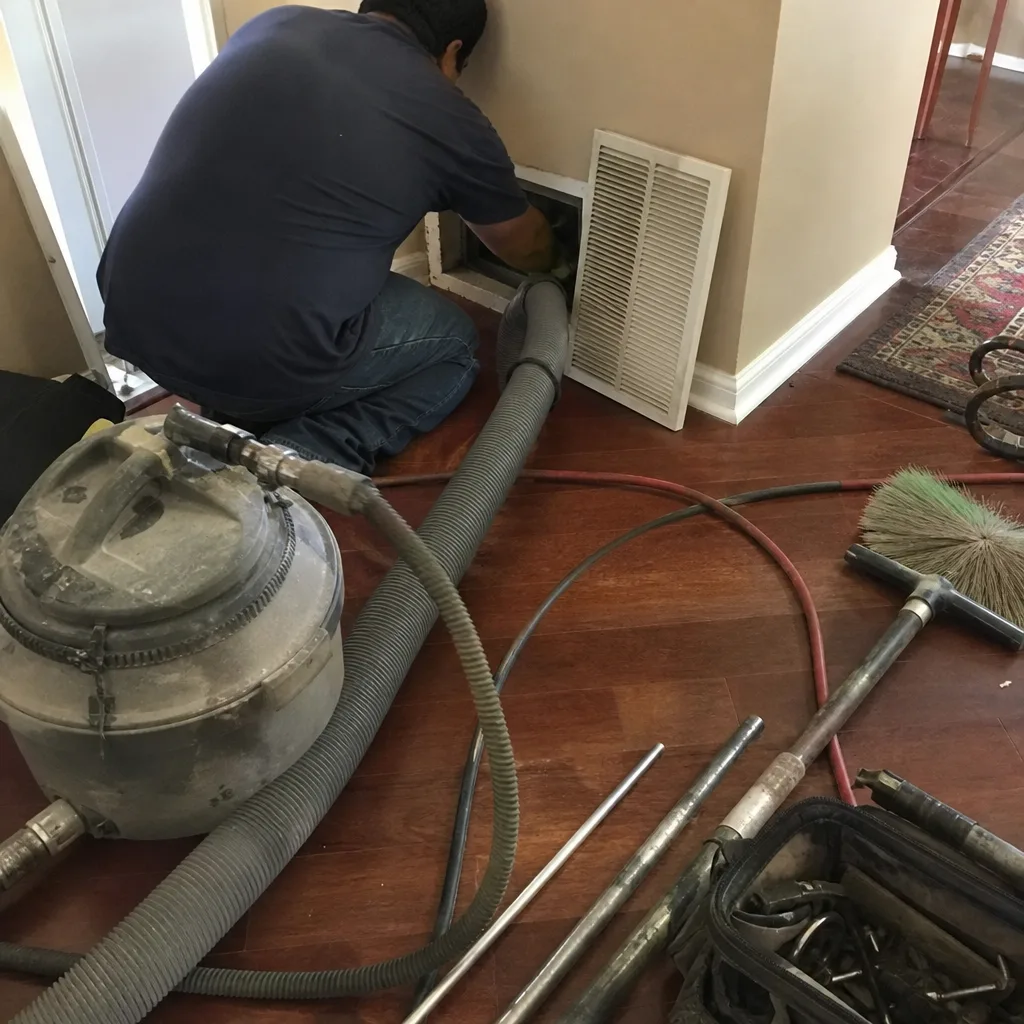 Before
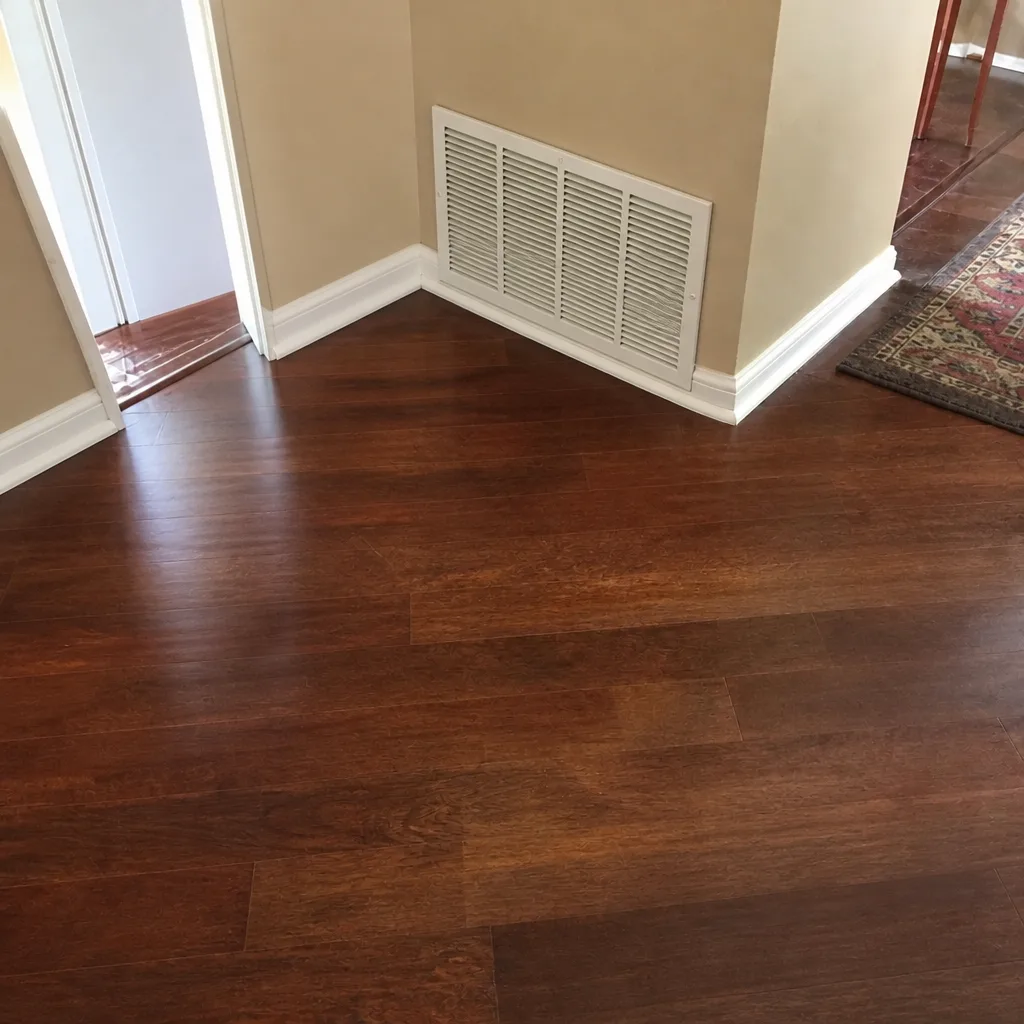 After
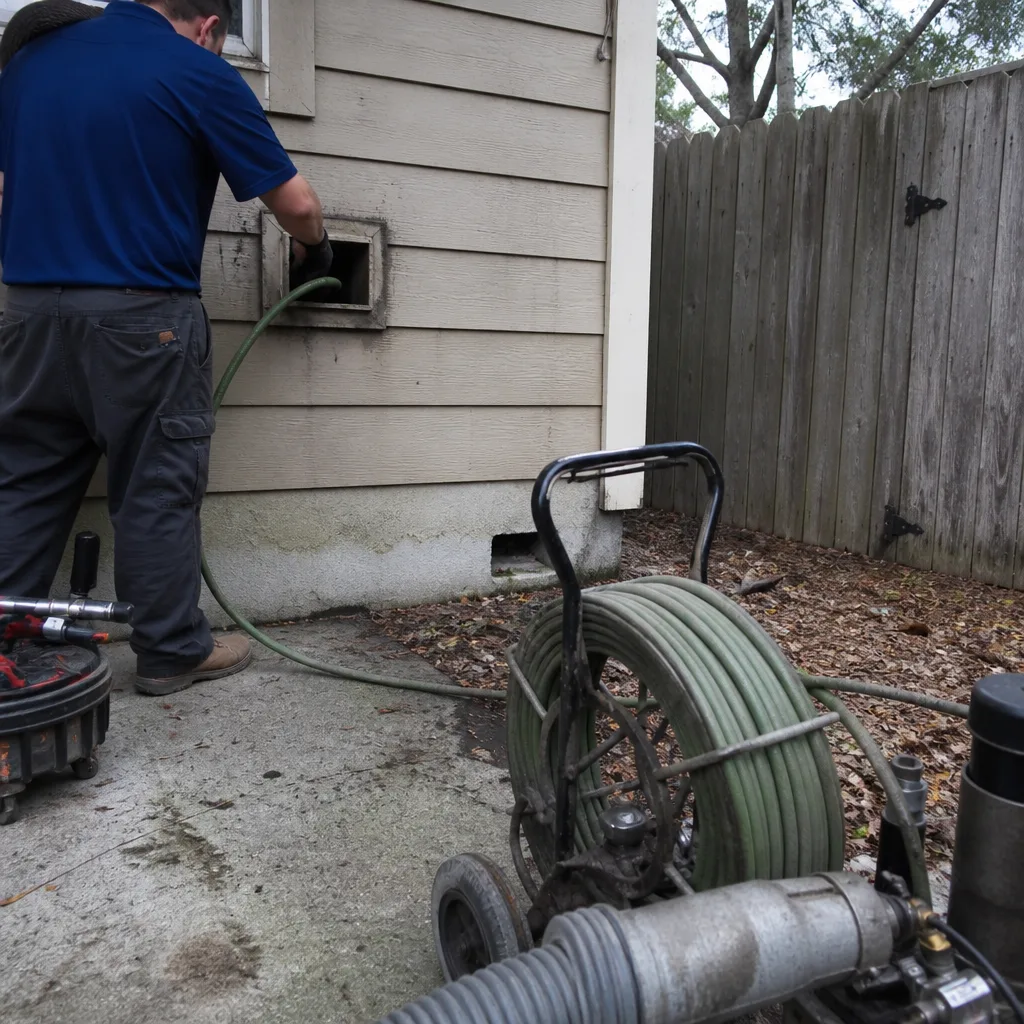 Before
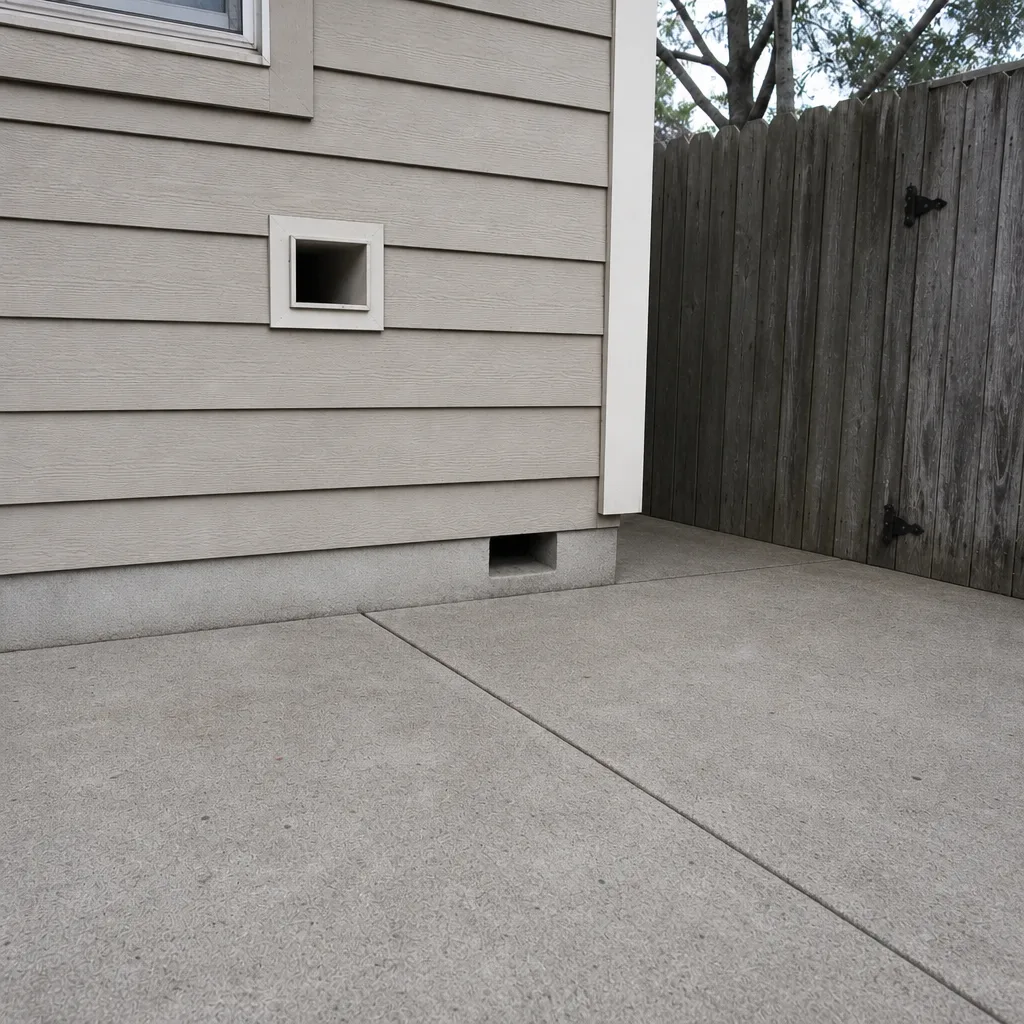 After
 Before
 After
When to Call a Professional
Some signs of a duct problem are easy to miss because they show up as comfort and cost problems, not visible dirt. Call a duct specialist when you notice any of the following: air that smells musty at the registers, visible dust puffing out when the system kicks on, a recent renovation that generated heavy debris, a new-to-you home whose duct cleaning history is unknown, or HVAC bills that have crept up while the equipment still seems healthy. If a prior cleaning involved no mechanical agitation, no HEPA vacuum, and no before-and-after photos, it’s worth an inspection to see whether any of the work was actually done. Duct Cleaning League City offers free estimates in League City. Call (866) 942-5170. We answer 24/7. Fast dispatch from 7am to 7pm, Sunday through Friday.
Frequently Asked Questions
Air duct cleaning in League City typically runs $350 to $750 for a whole-system cleaning on a standard single-family home, with premium jobs involving heavy contamination or duct repair reaching $900 or more. The written estimate sets the final price, and a legitimate quote itemizes scope, equipment, and access points before work begins. Call (866) 942-5170 for an exact quote. Estimates are free.
Cheap quotes usually reflect one of three scope reductions: they skip the trunk line and return plenum, they use portable shop-vac equipment instead of contractor-grade HEPA systems, or they price per-vent and count fewer vents. A $149 whole-house quote mathematically cannot cover the labor and equipment time a legitimate cleaning requires. The number isn’t a deal, it’s a scope. Compare line items, not bottom lines. Call (866) 942-5170 to talk through a specific quote you’ve received.
Before-and-after photos of your own ducts are the clearest verification, and a technician who uses mechanical agitation with a HEPA vacuum can show you what came out. Ask for the photos at the time of service, not after the invoice. If a company can’t provide visual verification, the cleaning wasn’t documented. Call (866) 942-5170 to schedule a visit with verification included.
Most League City homes sit comfortably on a three-to-five-year cleaning interval, and homes with pets, recent renovations, or a family member with allergies often warrant a two-to-three-year interval. New construction homes benefit from a first cleaning within the first year to clear drywall dust and construction debris. The right schedule depends on the specific system, not a fixed rule. Call (866) 942-5170 to talk through your home’s situation. Estimates are free.
No. Dryer vent cleaning is a distinct service on a separate system, and it typically runs $125 to $225 on its own. It should never be treated as a discount line bundled into the duct cleaning quote, because the two jobs require different equipment, different access, and a different kind of inspection. It’s a fire-safety service and belongs on its own schedule. Call (866) 942-5170 to book one.
You don’t have to be, but we recommend being present at the start of the visit so the technician can walk through signed-off scope, verify access points, and answer questions before anything begins. Modern equipment keeps the work zone clean, but knowing where the technician will be working helps you plan. Call (866) 942-5170 to schedule and confirm the details in advance. Estimates are free.
That’s exactly why the visit matters. A disconnected, crushed, or failed duct section is a real problem for airflow and energy use, and a duct specialist can fix it in the same visit rather than leaving it for another appointment. Typical pricing for a single repair runs $150 to $450, and the written estimate covers the repair before work begins. Call (866) 942-5170 if you suspect a duct problem. We answer 24/7.
The Bottom Line
The spread in League City duct cleaning quotes isn’t random. It’s a scope of work difference dressed up as a price difference. Cheap quotes skip work. Mid-market quotes deliver a real cleaning. Top-of-market quotes add containment-grade equipment and repair capability for heavily contaminated or damaged systems. Your job as the homeowner is to make every quote show its scope, its equipment, and its verification method before you compare bottom-line numbers. The $350 quote that covers the full system is worth more than the $149 quote that doesn’t. If you want a written estimate that itemizes every line and a technician who uses Rotobrush and Nikro equipment, call Duct Cleaning League City. Our team connects homeowners in League City with local independent professionals who do the work, and our technicians have up to experience. Call (866) 942-5170. We answer 24/7. Fast dispatch from 7am to 7pm, Sunday through Friday. Estimates are free, and the price is set per job by the written estimate. Dryer vent cleaning is available as a standalone fire-safety service, and duct repair is available as part of the same visit when damage is found.
Written by the team at Duct Cleaning League City.