
Last updated November 15, 2026
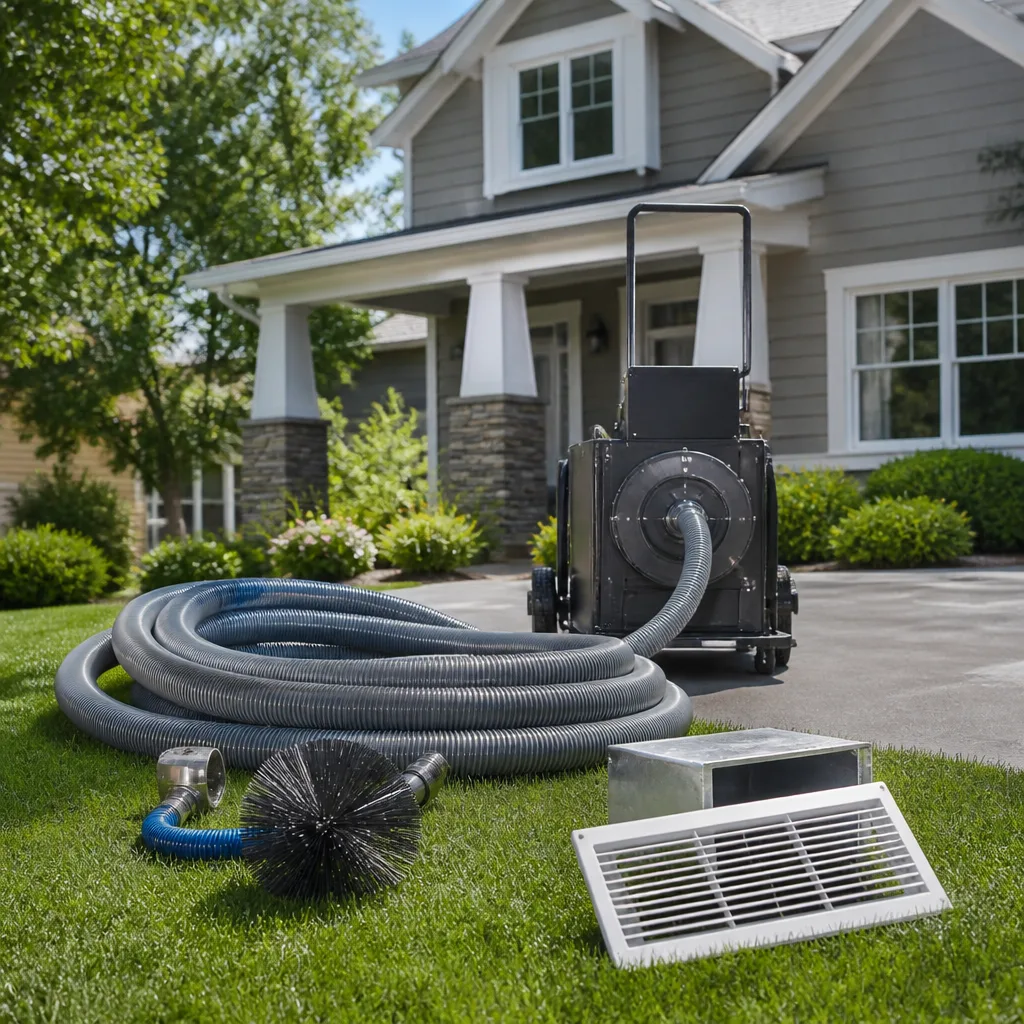 Whole-home duct cleaning
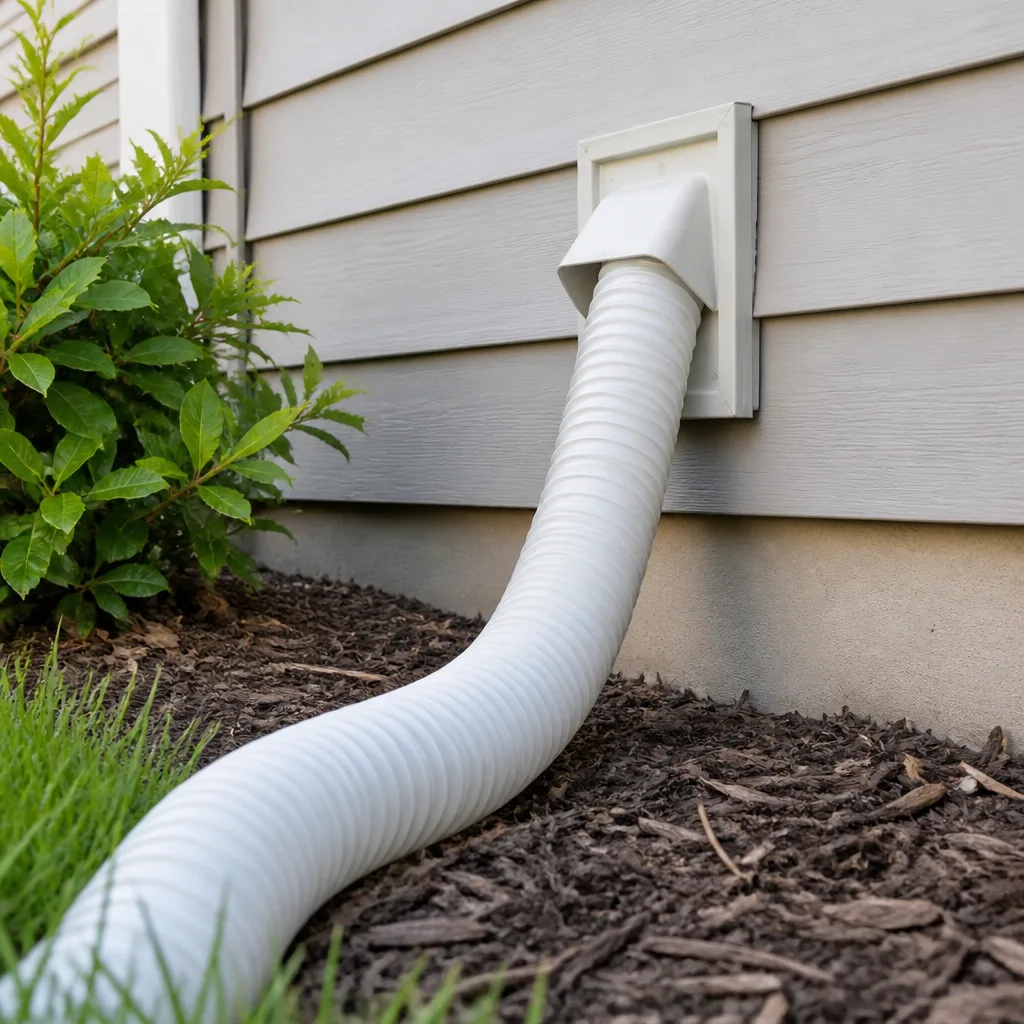 Dryer vent cleaning
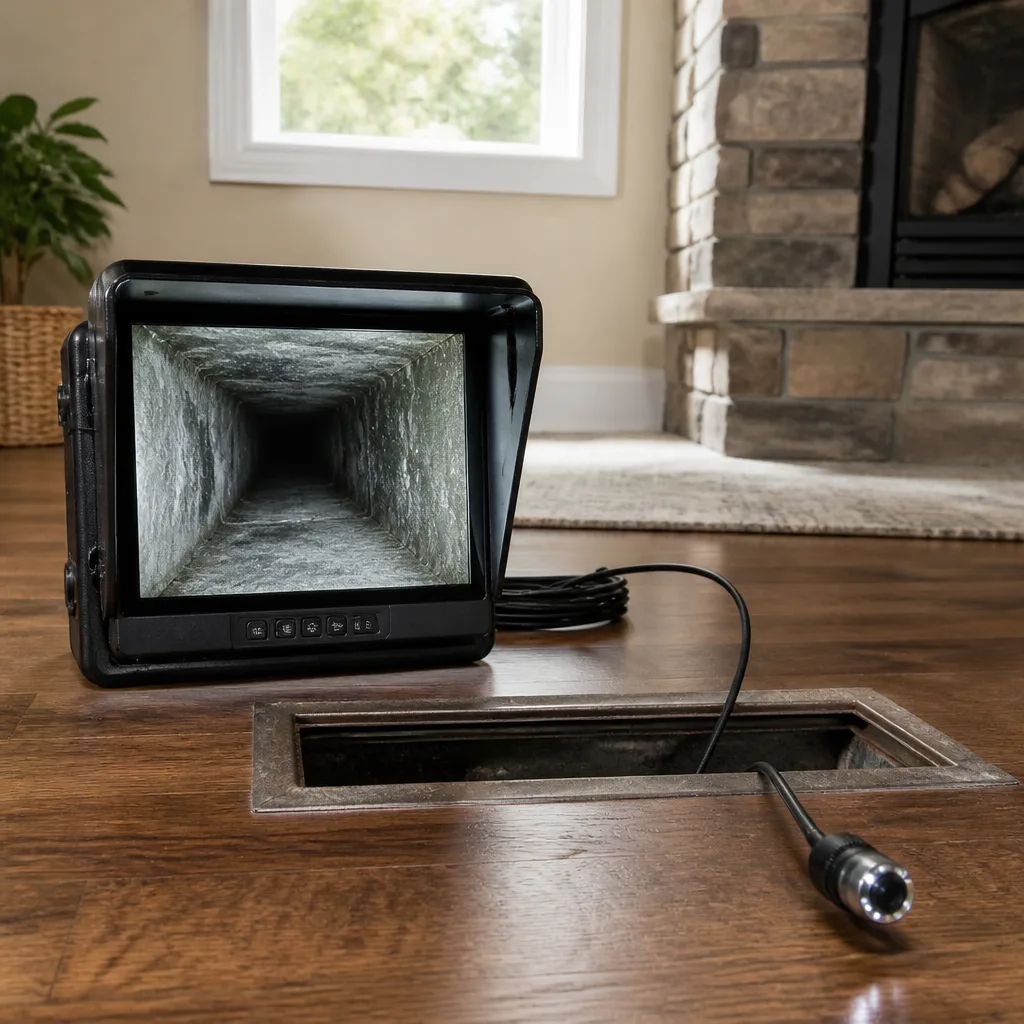 Camera inspection
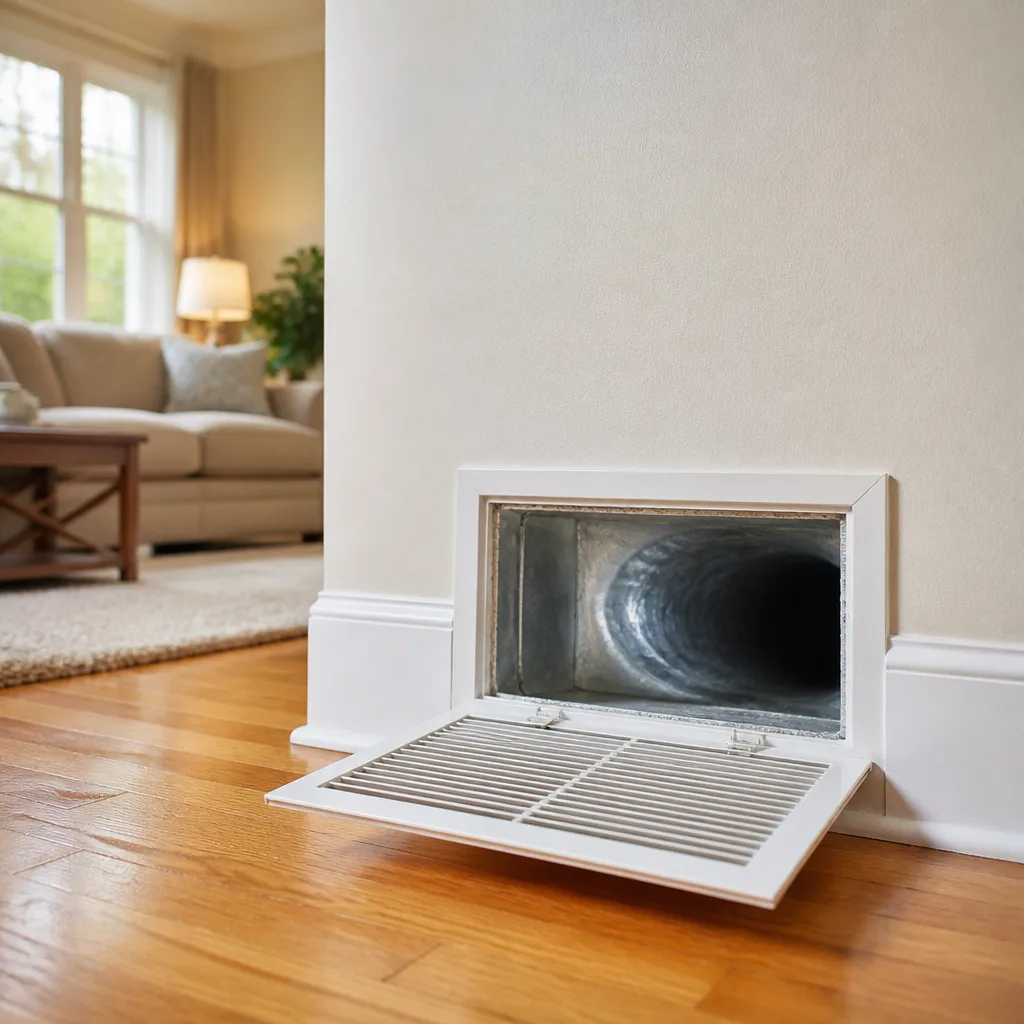 Sanitizing & deodorizing
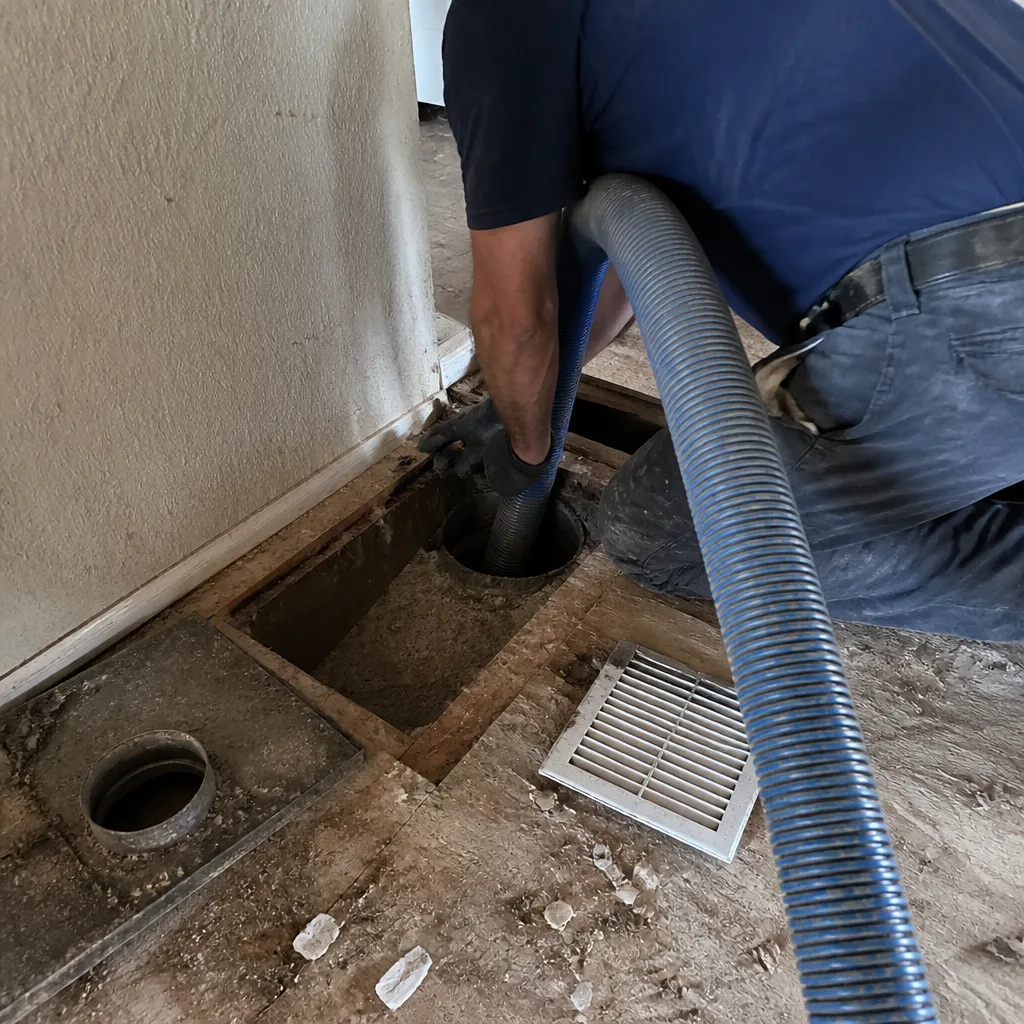
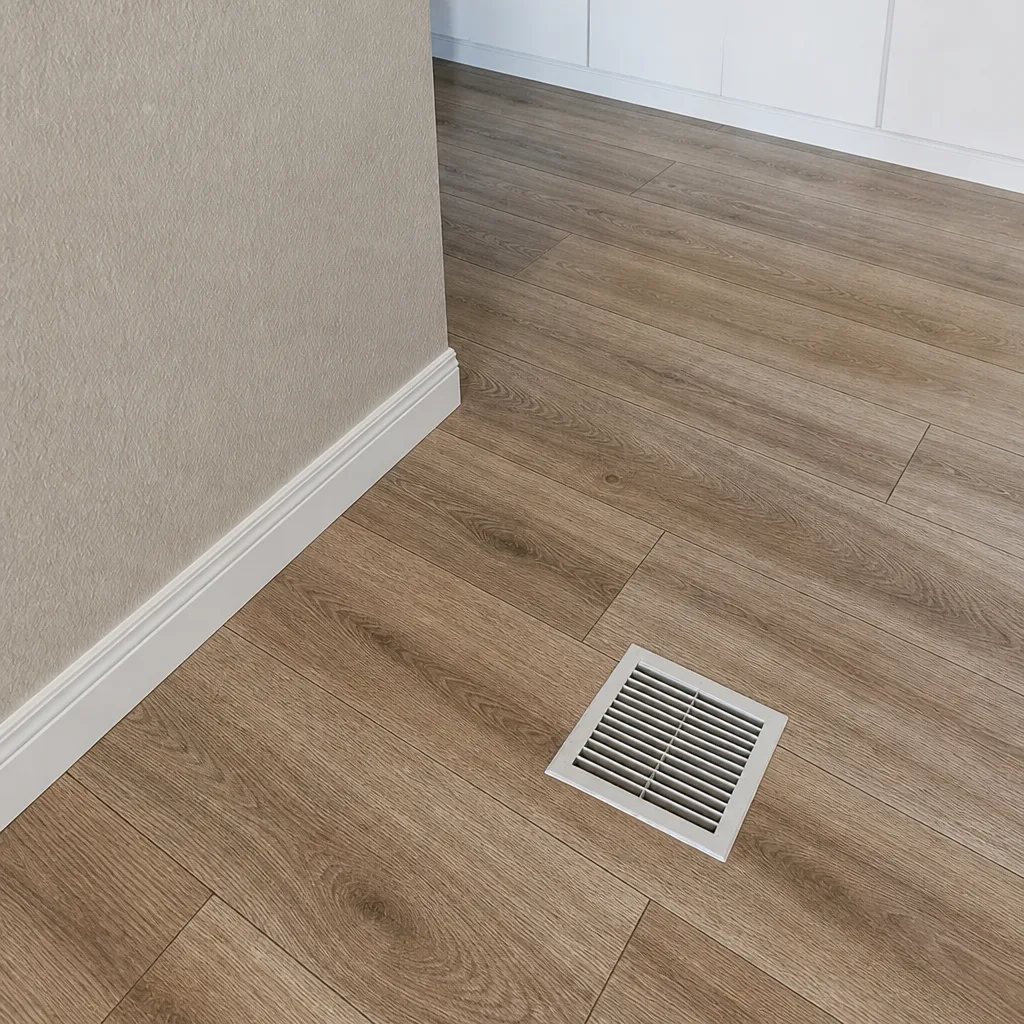
Whole-system duct and dryer vent check with before-and-after photos - you see exactly what came out of your vents
That "$99 whole-house special" is a bait ad - the real number appears once they are in your hallway, or the "clean" is a shop-vac at the register. We photograph the inside of your ducts before and after instead.
How to Hire an Air Duct Cleaning Contractor in League City: A Step-by-Step Guide
Most homeowners assume a duct cleaning quote is a duct cleaning quote. In our experience, that assumption is where the trouble starts. The barrier to entry in this trade is almost nothing: a truck, a shop vac, and a coupon can get someone booked. The National Air Duct Cleaners Association (NADCA) has noted that many complaints about duct cleaning come down to one technical failure – a contractor never pulled the duct system into negative pressure, so debris got loosened but not captured. That leaves the air worse than before the job. This guide walks through the vetting process in League City step by step, from the questions to ask before booking to the contract clauses that protect your home.
Quick Answer
To hire an air duct cleaning contractor in League City, verify three things before booking: that the operator uses truck-mounted or portable vacuum equipment rated to hold the duct system under negative pressure, that you receive a written scope naming access points and the specific equipment model, and that the work includes before-and-after photo documentation. Skip any bidder who can’t answer all three. NADCA membership is a useful floor, but it isn’t proof of equipment quality on its own.
Styles & brands we work with
- Whole-home duct cleaning
- Dryer vent cleaning
- Camera inspection
- Sanitizing & deodorizing
Table of Contents
- How to Verify Negative-Pressure Source Removal Equipment
- What a Written Scope of Work Should Include
- Why NADCA Membership Is a Floor, Not a Ceiling
- The Three Contract Clauses That Protect Homeowners
- How to Compare Duct Cleaning Quotes Accurately
- What’s Different About Duct Cleaning in League City
- The Questions to Ask on the Phone
- Common Mistakes to Avoid
- When to Call a Professional
How to Verify Negative-Pressure Source Removal Equipment
“Source removal” means the debris is captured at the source and taken out of the home, rather than agitated into the living space. That only works if the vacuum is attached to the duct system and pulling a measurable negative pressure while a separate agitation tool – a rotary brush or compressed air whip – dislodges the debris. If there’s no vacuum connection to the main trunk, the technician is spinning a brush in open air.
Ask these four questions directly on the phone. The answers separate an operator from a sales call:
- “What vacuum do you connect to the main trunk, and what’s its CFM rating?” A legitimate operator names the equipment. If the answer is vague (“high-powered”) rather than specific, treat it as a pass.
- “Are you using a rotary brush or air whip for agitation?” Suction alone will not break loose compacted dust from galvanized duct walls. Mechanical agitation is required. Rotobrush systems are the standard for residential duct work; any professional who’s been in the trade more than a year knows the name.
- “Does the vacuum have HEPA-rated filtration?” Nikro HEPA-rated equipment captures fine particulates at the source. Consumer vacuums redistribute them. This matters most after renovations or in homes with heavy allergen loads.
- “Where does the exhaust go?” A proper setup exhausts outside the conditioned space or through a HEPA filter. If the answer is “back into the house,” that’s disqualifying.
A quick disqualifier: any bidder who offers to “blow out” the ducts with compressed air and no containment. That approach moves the debris toward your registers and your furniture. In our experience, it’s also one of the most common reasons people call a second contractor after the first visit.
When we perform air duct cleaning in League City, the equipment on hand is Rotobrush mechanical brush-and-vacuum systems and Nikro HEPA-rated vacuum units – the same hardware restoration and abatement contractors use. That’s not a marketing claim you have to take on faith. Ask for the model names when you call any contractor. The ones who can’t list them don’t have them.
What a Written Scope of Work Should Include
A written scope is your defense against scope creep and against the “extra vents” phone call. Any legitimate contractor can produce one page describing exactly what will happen. If a bidder says “we’ll just clean everything,” that’s not a scope – that’s a promise with no measurable deliverables.
Here’s what a usable written scope covers:
- Access points: which registers, returns, and trunk connections the technician will open. Specifics matter – “all supply registers” is fine, “as needed” is not.
- Equipment model: the vacuum make and model, the agitation tool (brush, whip, or both), and whether containment equipment is deployed. For heavily contaminated systems, Abatement Technologies containment gear matters because it lets the crew work without releasing spores or post-renovation dust.
- Brush type: soft nylon for flex duct, stiffer brushes or air whips for rigid galvanized trunk lines. If a contractor plans to run a rigid brush through flexible duct, damage is a real risk.
- Chemical application disclosure: if any sanitizer or fogging product is used, the chemical name, EPA registration status, and consent to apply it must appear in writing. You have the right to decline chemicals.
- Post-job verification method: before-and-after photos of the same register or trunk section, taken from the same angle. This is your evidence the work was done.
We always provide before-and-after photos of the homeowner’s own ducts as part of the job. Not stock images. Not a general gallery. Photos of the system we just cleaned. That’s a scope item, not a courtesy – ask for it in writing before anyone shows up.
Why NADCA Membership Is a Floor, Not a Ceiling
NADCA publishes the industry’s accepted standard – ACR, the Assessment, Cleaning, and Restoration of HVAC Systems. Membership in the association means a contractor has agreed to work within that standard and has passed a baseline review. That’s a real floor. It’s not the whole picture, because membership doesn’t guarantee the company owns negative-pressure equipment of any particular quality, and it doesn’t guarantee the crew is trained on it.
Use NADCA membership the way you’d use a driver’s license. It tells you they’re allowed to be on the road, not that they’re a good driver. The additional signals that separate a capable operator:
- Equipment specificity: competence shows in the ability to name equipment and explain why it fits the job. “Rotobrush for residential trunk lines, Nikro HEPA for the vacuum” is the kind of answer that tells you the person has used the tools.
- Repair capability: during cleaning, technicians find disconnected flex runs, crushed duct sections, and gaps at takeoffs. An operator who can also repair those sections closes the loop most competitors leave open. We clean ducts. We also fix them – that’s part of the pitch because it matters.
- Familiarity with existing equipment: if your home runs a Honeywell or Aprilaire filtration system, the crew needs to work around it without bypassing or damaging it. Someone who’s never touched one is a risk to your air handler.
- Source-removal discipline: ask how the technician determines when the job is done. The answer should include visual inspection at the registers and a check that no debris is visible after the vacuum is pulled. Not a timer.
For a broader look at what standard work looks like, see our Duct Cleaning League City service overview.
The Three Contract Clauses That Protect Homeowners
Most duct cleaning agreements are short forms – a one-page invoice with boilerplate. Three clauses belong in every agreement no matter how short, and they’re worth insisting on before anyone starts work:
- Scope creep language. The contract should state that the price is fixed for the scope described, and that any additional work (extra trunk lines, a disconnected run that needs reconnecting, sanitizing beyond the agreed scope) requires written approval before it’s performed. This is the clause that prevents the phone call from the driveway asking for another $300 “because your ducts were worse than expected.”
- Before-and-after documentation requirement. The contract should commit the contractor to providing photos of the same ducts before and after cleaning. If photos aren’t in the contract, you have no recourse if the work was skipped on some branches. Ask for twenty photos if you want them – any honest operator will deliver.
- Liability for incidental damage. Older flex duct, brittle mastic, or loose ceiling panels can be damaged by suction or by brush contact. The contract should state clearly who is responsible for repairing anything damaged during the job. A confident contractor will accept that responsibility in writing. A hesitant one won’t.
These aren’t adversarial clauses. They’re the standard of care any operator with proper insurance and proper equipment is already comfortable signing. If a bidder pushes back on any of the three, treat it as a disqualifying answer. There’s no technical reason to refuse.
How to Compare Duct Cleaning Quotes Accurately
Three contractors can quote “duct cleaning” and mean three different services. One is pulling the contents of the main trunk with a Rotobrush and HEPA vacuum. Another is running a shop vac through the registers. A third is fogging the ducts with sanitizer and calling it done. Same label, completely different work.
Here’s the comparison framework we recommend, structured as a table you can fill in per bidder:
- Vacuum type: truck-mounted negative-pressure vacuum, portable HEPA vacuum attached to the trunk, or hand-held consumer vacuum. The third is not a duct cleaning.
- Agitation method: rotary brush, air whip, both, or none. None means dust stays put.
- Number of access points opened: every supply and return? The main trunk only? Just the closest register?
- Sanitizer included or optional: and is the chemical named?
- Photos included: yes or no. Get it in writing.
- Repair scope: is disconnected or damaged duct repair identified as part of the visit, or a separate booking?
The flat-price question is where bids diverge most. Any per-vent pricing model is a red flag on its face, because the number of vents doesn’t correlate to the amount of debris in the system. A 20-vent house with a clean trunk takes less time than an 8-vent house with nine years of debris in the main line. One flat price per system, agreed before work starts, is the model that avoids the bait-and-switch reputation this trade has earned.
If someone quotes you $99 for the whole house, ask them what equipment they’re bringing. The answer tells you whether they’re doing the work described above or just vacuuming the register covers.
What’s Different About Duct Cleaning in League City
Homes in League City run the HVAC system year-round. Even in mild winters, the system still cycles for humidity control. That’s a lot of duty hours on the air handler and a lot of air moving through ducts that are usually installed in the attic or an unconditioned chase. Attic ductwork in this climate swings through temperature changes the ducts weren’t designed for, and flex duct in particular is vulnerable to sagging, kinking, and the kind of attic-heat stress that can create tears at joist connections over time.
What that means for a duct cleaning in League City: technicians should expect to find flex runs in attic spaces that have compressed or pulled loose from takeoffs. Repair during cleaning is not unusual here. If your contractor doesn’t carry mastic, foil tape, and flex duct sections, a disconnected run they find goes unresolved until the next visit – and the gap leaks conditioned air into the attic, which shows up on your electric bill before it shows up anywhere else.
Duct contamination here also tends to include more than dust. Homes near the bay, in older subdivisions, or in properties that have had recent renovations carry pollen loads, drywall dust, and the fine particulate that HEPA-rated equipment exists to capture. That’s the case where dryer vent cleaning matters as a separate service – lint accumulation in the exhaust venting path is the leading cause of dryer fires per NFPA documentation, and it’s the same class of problem as a clogged duct, just in a smaller system.
We’ve worked these homes long enough to expect the usual. Nobody should be surprised to hear “we found a disconnected run in the attic.” If your contractor sounds surprised, that’s information about their experience in this climate.
The Questions to Ask on the Phone
The initial call is where most of the vetting happens. You don’t have to see the technician to disqualify a bidder. Ask these questions in order, and listen for specificity:
- “What vacuum equipment will be on site?” Listen for Rotobrush, Nikro, or a named truck-mount brand. Vague answers disqualify.
- “Do you use negative pressure, and how?” Listen for the answer “we attach the vacuum to the main trunk and seal the registers.” Anything less is not source removal.
- “Will you provide before-and-after photos?” Yes is the only acceptable answer.
- “Do you repair damaged duct while you’re there?” This one separates duct cleaners from duct specialists. If the answer is “no, you’ll need a separate HVAC company,” that’s honest but leaves a gap.
- “What’s the price for the whole system, and is it flat?” Per-vent pricing means the bidder is pricing the shape of your house, not the state of your ducts.
- “Can I see the scope in writing before booking?” Any professional operator will send one. Any bidder who won’t is telling you something.
Six questions, two minutes. The calls that end early save you a visit that would have ended with an upsell anyway.
Common Mistakes to Avoid
- Hiring on price alone. A coupon price is a number, not a scope. Ask what equipment is being brought and how many access points will be opened. In League City, we’ve seen $79 quotes turn into $500 invoices after the “we need to sanitize” conversation, because nothing was fixed in the first place.
- Skipping the written scope. If the bidder won’t put equipment models and access points in writing, assume none of it is happening. Verbal promises have no enforcement.
- Accepting “we cleaned every register” as proof. The registers are the visible end of the system. The main trunk and interior duct walls hold the debris. Ask which interior sections were opened and photographed.
- Ignoring disconnected duct found during cleaning. A disconnected run in the attic leaks 10 to 20 percent of the air moving through it into unconditioned space. If your contractor can’t fix it, get a repair on the calendar before they leave the driveway.
- Forgetting the dryer vent. It’s the fire-safety side of the same category of work, and it’s often skipped because it’s a separate system. If you’re having ducts cleaned in your League City home, have the dryer vent pulled and cleaned in the same visit.
- Letting the technician apply sanitizer without approval. Chemical application is consent-based. Ask what’s being applied and confirm you’ve agreed to it before the fogger comes out.
- Booking a “blowout special.” Any service that involves distributing compressed air without containment is moving debris into your living space. There’s no lower price worth that outcome.
See the difference
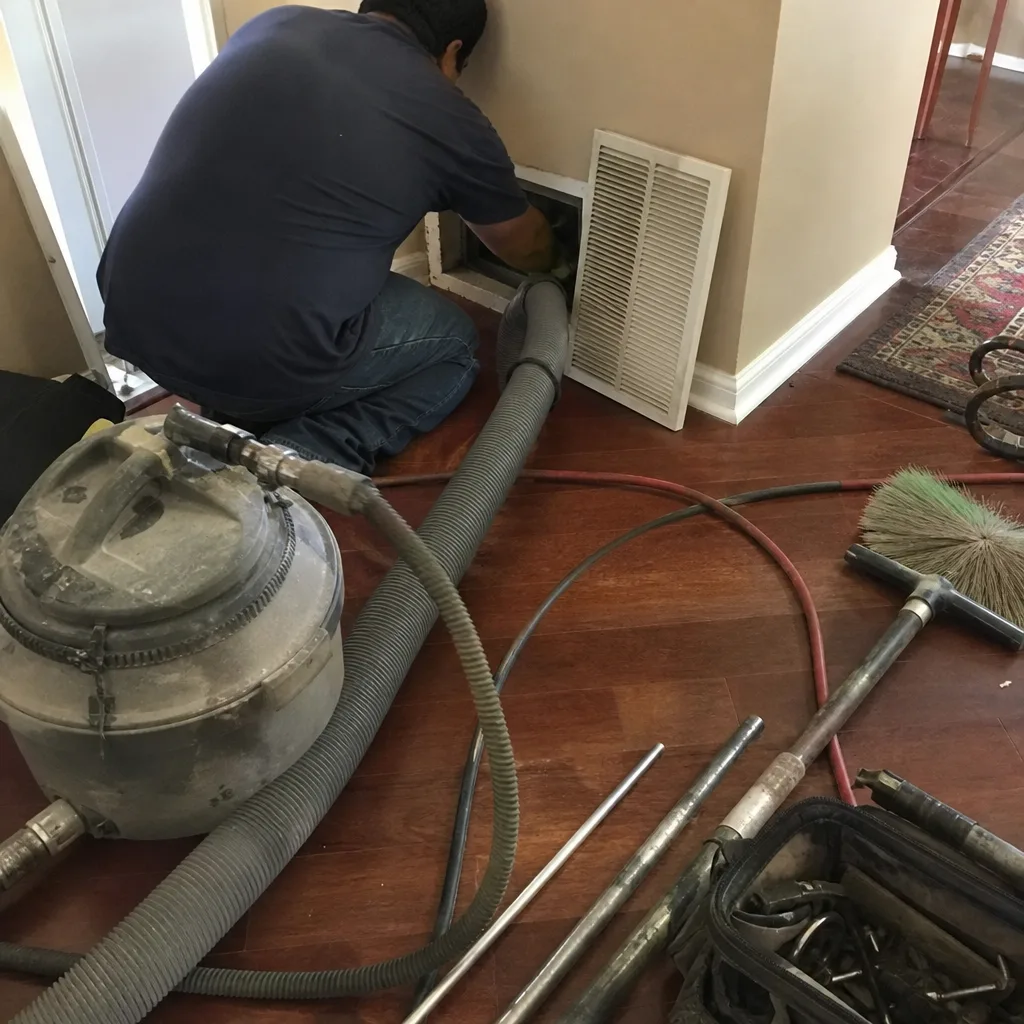 Before
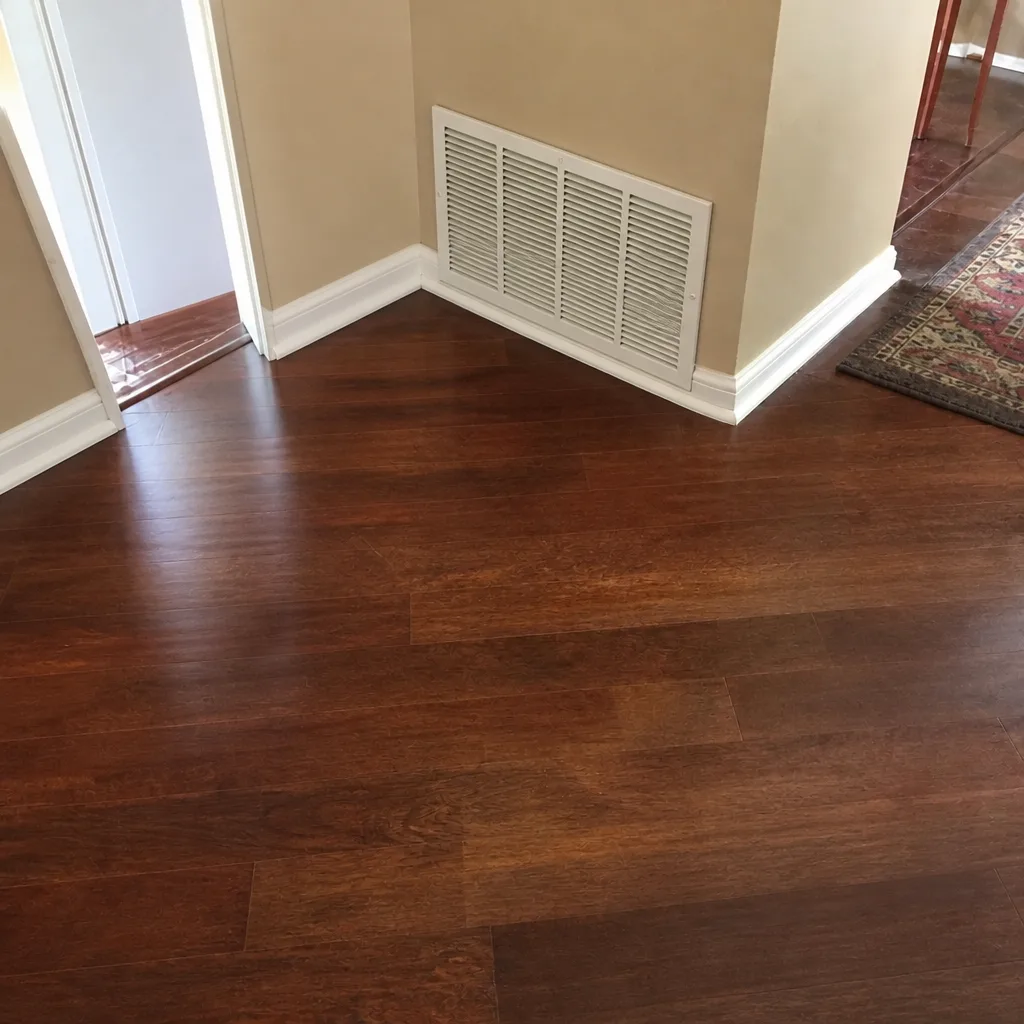 After
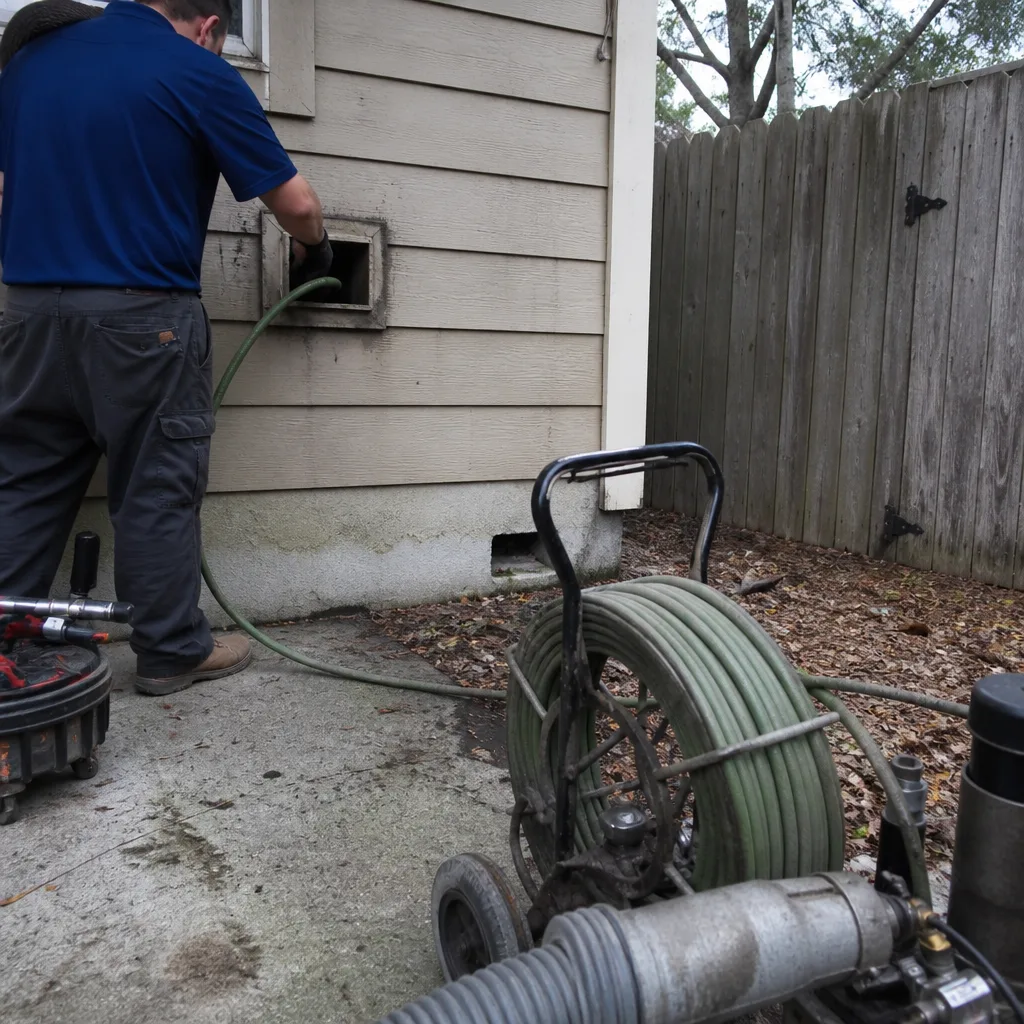 Before
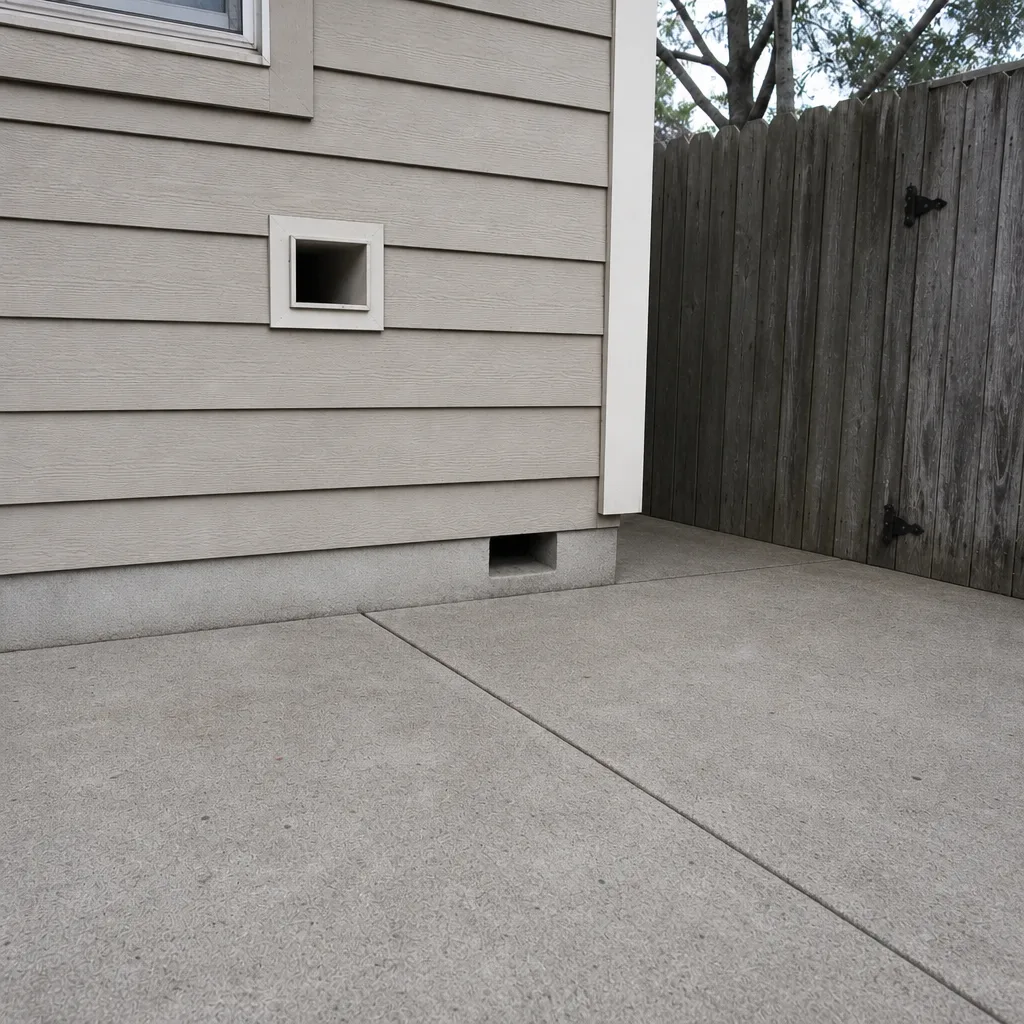 After
 Before
 After
When to Call a Professional
Most duct cleaning is scheduled, not urgent. You can plan it around a renovation, an HVAC replacement, or a move-in. But some situations call for a pro without waiting: visible dust puffing from registers when the system kicks on, musty smell when the air handler runs, a recent water intrusion or mold finding, a dryer that’s taking two cycles to dry a load, or a contractor’s estimation you suspect was a bait-and-switch that made no difference. If you’ve had the low-cost service and nothing changed, a proper source-removal cleaning with HEPA-rated equipment is the next call. Duct Cleaning League City offers free estimates in League City – call (866) 942-5170. We answer 24/7. Fast dispatch from 7am to 7pm, Sunday through Friday.
Frequently Asked Questions
Whole-system air duct cleaning in League City typically runs in the range of $350 to $700 depending on the size of the system, the number of trunk runs, and whether repair is needed. Any per-vent quote is a red flag – the right model is one flat price per system, agreed before work starts, with the written estimate setting the final number. Call (866) 942-5170 for an exact quote – estimates are free.
Cheap quotes usually reflect one of three things: no negative-pressure vacuum, no mechanical agitation, or a scope that covers just the register grilles and not the trunk lines. The low number is real – the scope is what’s missing. Ask what equipment will be on site, and the gap between quotes explains itself. Call (866) 942-5170 for an exact quote – estimates are free.
Before-and-after photos of your own ducts are the only reliable proof. Any legitimate operator takes photos of the same trunk section from the same angle before and after the vacuum comes off. If a contractor offers only a verbal reassurance or a blank invoice, you have no way to verify. Ask for the photos in writing as part of the contract. Call (866) 942-5170 for an exact quote – estimates are free.
Most homes fall into a 3 to 5 year cycle, but the interval depends on the system: homes with pets, recent renovations, water damage history, or heavy allergy loads run closer to every 2 to 3 years. A home with a well-maintained filtration system and no pets can go longer. The honest answer requires looking at the trunk, not the calendar. Call (866) 942-5170 for an exact quote – estimates are free.
Membership is a useful signal – the contractor has agreed to work within the NADCA ACR standard – but it isn’t required for a competent cleaning. What matters is the equipment and the scope. A contractor with Rotobrush or Nikro equipment, proper negative-pressure setup, and a written scope that names access points and photo documentation is qualified, whether or not they’re a member. Ask both questions.
Yes. Duct repair is part of the service – technicians find disconnected flex runs, crushed sections, and gaps at takeoffs during cleaning, and can close those repairs in the same appointment. That’s the reason to hire a duct specialist rather than a general HVAC company that treats duct cleaning as a footnote. Call (866) 942-5170 for an exact quote – estimates are free.
Dryer vent cleaning is a dedicated fire-safety service, separate from duct cleaning, and worth scheduling alongside it. Lint accumulation in the exhaust venting path is the leading cause of dryer fires according to NFPA documentation. If your dryer is taking longer than usual to dry a load, the vent is the first thing to check.
Yes. Homes with premium filtration equipment – Honeywell and Aprilaire among them – need technicians who know how to work around the equipment without bypassing or damaging it. We work with both. If your home runs one of these systems, ask your bidder whether they’ve worked on it before. The answer tells you a lot about their experience.
The Bottom Line
Hiring a duct cleaning contractor in League City comes down to equipment verification, scope documentation, and the three protective contract clauses. A written scope that names access points, equipment models, brush types, and chemical disclosure is your proof of what was promised. Before-and-after photos are your proof of what was done. NADCA membership is a floor – the questions that separate a specialist from a generalist are about the vacuum, the agitation tool, and whether repair capability is included. Our technicians have up to experience with the equipment that does this work correctly: Rotobrush, Nikro, Abatement Technologies, and compatibility with Honeywell and Aprilaire filtration systems. If you’re ready to move forward, call (866) 942-5170. We answer 24/7. Fast dispatch from 7am to 7pm, Sunday through Friday. Estimates are free, and the written estimate sets the final price.
Written by the team at Duct Cleaning League City.