
Last updated November 15, 2026
 Whole-home duct cleaning
 Dryer vent cleaning
 Camera inspection
 Sanitizing & deodorizing
Whole-system duct and dryer vent check with before-and-after photos - you see exactly what came out of your vents
That "$99 whole-house special" is a bait ad - the real number appears once they are in your hallway, or the "clean" is a shop-vac at the register. We photograph the inside of your ducts before and after instead.
Seasonal Air Duct Cleaning Care for League City: Year-Round Homeowner’s Guide
Most homeowners treat duct cleaning as a once-a-year checkbox, and in League City that thinking misses the point entirely. Our climate doesn’t give you four tidy seasons. It gives you two long, hard cooling stretches split by short transition windows, and the ductwork in your home responds differently in each one. The worst time to discover contamination is August, when the system runs most of the day and every cubic foot of air cycles through whatever has settled inside the ducts. This guide maps duct conditions to a League City calendar so you can inspect, clean, and time professional work around the way your system actually runs.
Quick Answer
In League City, plan duct care around two heavy cooling seasons rather than a single annual cleaning. Inspect and clean in the March-April window before continuous summer runtime begins, monitor during peak summer, check ductwork after tropical storms and flooding, and address mold in the October-November transition before heating season pushes it into the air. Timing professional cleaning to these windows is what makes a cleaning last.
Styles & brands we work with
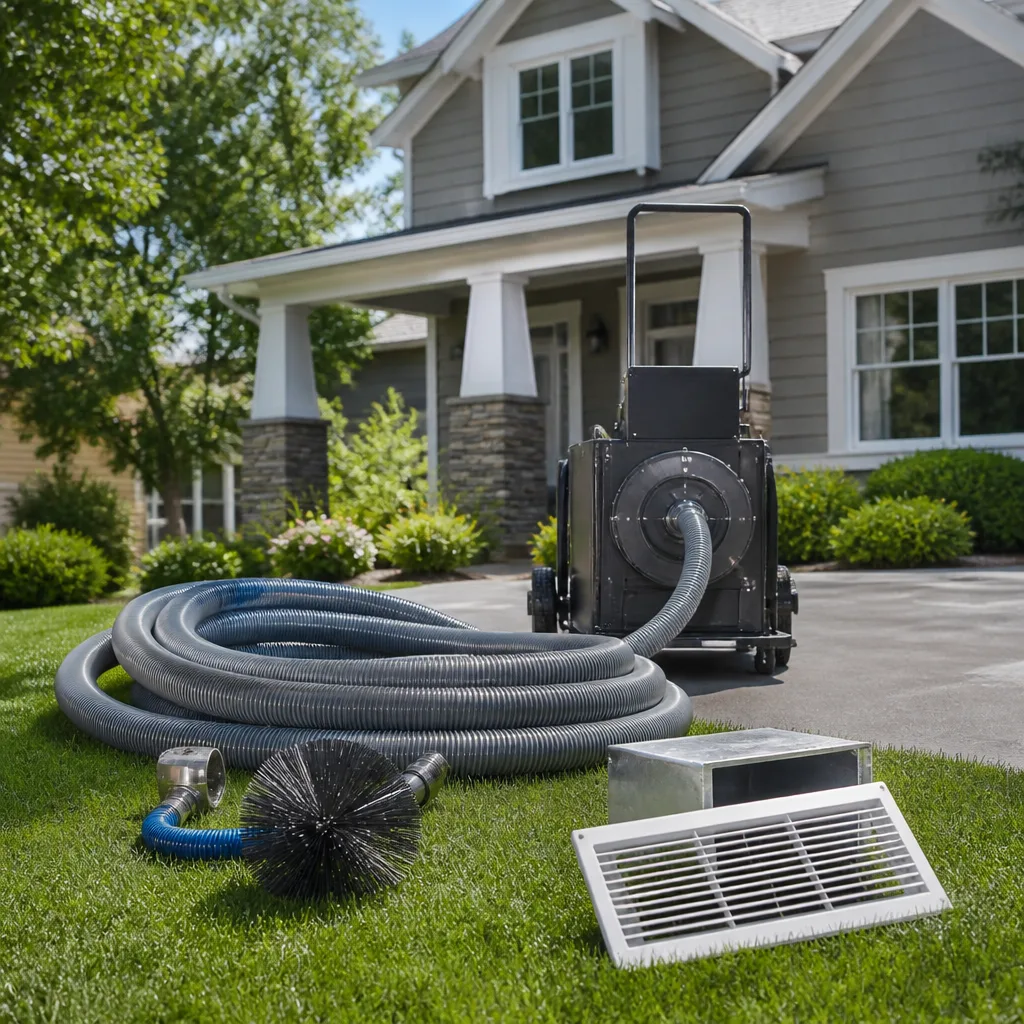
- Whole-home duct cleaning
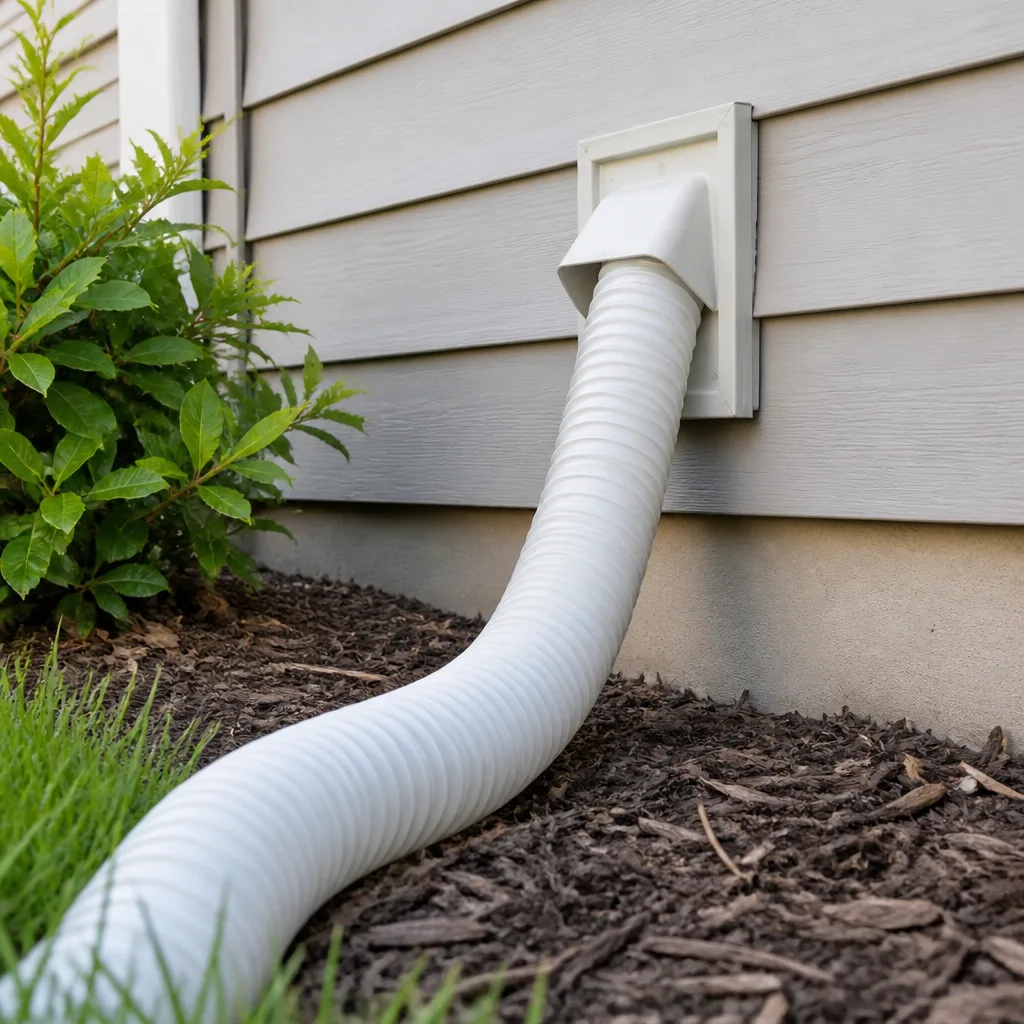
- Dryer vent cleaning
- Camera inspection
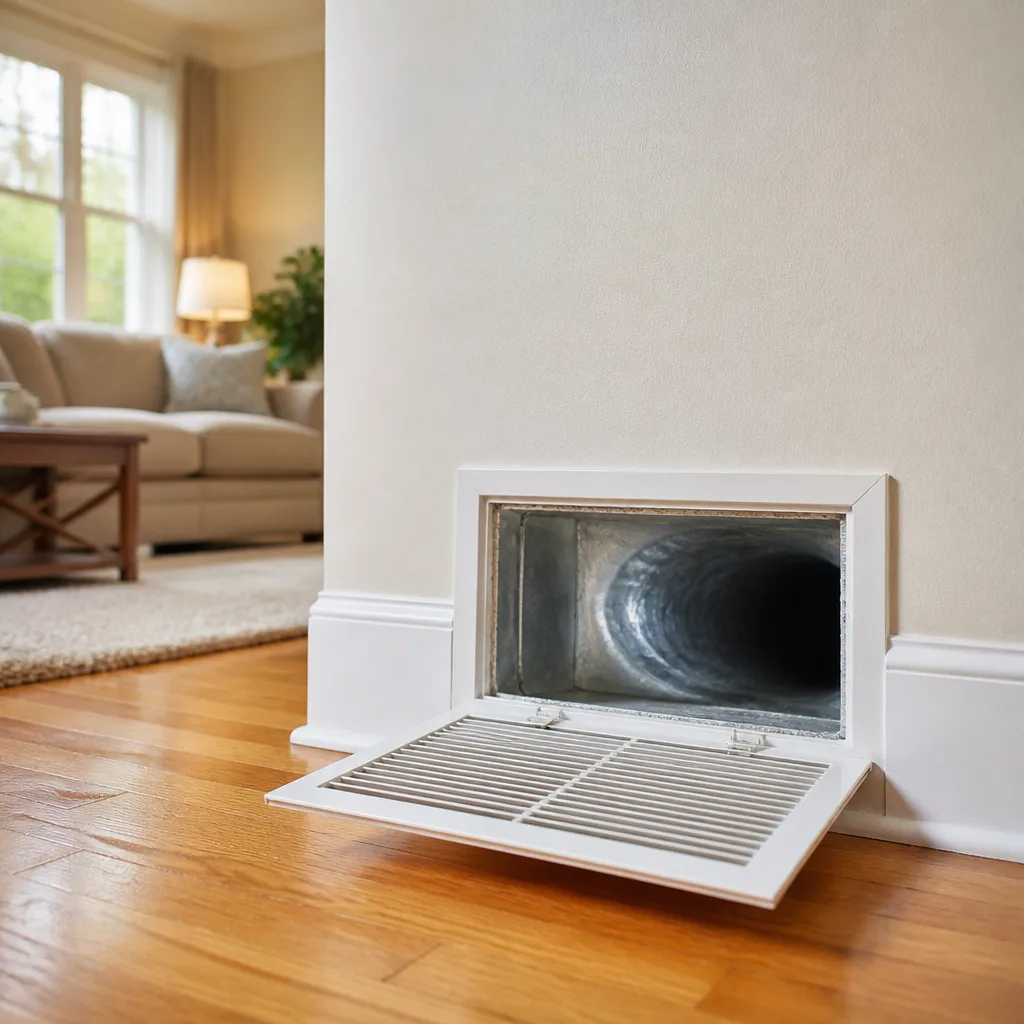
- Sanitizing & deodorizing
Table of Contents
- Why League City Has Two HVAC Seasons, Not Four
- March-April: The Pre-Cooling Inspection Window
- Mid-Summer: Reading Your Ducts While the System Runs
- Post-Storm Protocols for Tropical Weather and Flooding
- October-November: The Fall Transition and Mold Detection
- How to Time Professional Cleaning for Maximum Longevity
- Duct Repair: What Cleaning Often Reveals
- Dryer Vent Cleaning as Year-Round Fire Safety
Why League City Has Two HVAC Seasons, Not Four
League City sits in a humid subtropical zone where the air conditioner carries the load for most of the year and the heater gets only a short turn. That reality reshapes duct care. In colder climates, homeowners worry about freeze-thaw damage and winter condensation; here the concern is warm, moist air moving through ductwork for months on end and the biological growth that likes those conditions. The cooling season stresses the system in two long runs, and the short spring and fall windows in between are when problems are easiest to catch and cheapest to fix.
Think of it as four phases rather than four seasons:
- Pre-cooling (March-April): the calm before continuous runtime begins.
- Peak cooling (May-September): the system runs most of the day and your ducts see constant airflow.
- Storm season overlap: tropical weather, flooding, and power outages can hit anytime in the warm months.
- Transition (October-November): the switch from cooling to heating, and the window where mold is most detectable.
Homeowners in established League City neighborhoods like Tuscan Lakes and Mar Bella often run the AC well into October, which compresses the fall transition. That makes the October-November window short and easy to miss. If you live closer to the water, the humidity load is heavier and the moisture story matters more. Our team treats League City duct systems according to how they run here, not according to a national template.
The takeaway is simple: duct care is a response to conditions, not an annual errand. Once you see the year as two heavy stretches and two windows, the timing of everything else falls into place.
March-April: The Pre-Cooling Inspection Window
March and April are the best months to inspect ductwork in League City because runtime is still moderate. Once summer arrives and the system runs most of the day, you lose the quiet window that makes inspection and cleaning straightforward. Use these weeks to find problems before the load hits.
Start with the air handler and the parts that touch your ducts. The evaporator coil and drain pan are where moisture collects in a cooling system, and a drain pan that’s holding water or showing standing moisture is a duct-moisture problem waiting to happen. When the pan overflows or the drain line clogs, water can wick into nearby duct insulation and flex connections. Check that the condensate drain flows freely and that the pan is dry and clear. This is a look-and-verify task, not a repair job for a homeowner; if something is pooling or slow to drain, that’s a call.
Then inspect what you can see at the registers and returns:
- Remove a few supply registers and look at the inside of the boot and the first section of duct.
- Note any dust streaks, dark patches, or visible growth on the duct walls.
- Check the return grille for a buildup rate that suggests debris is moving through the system.
- Confirm your filter is clean and correctly seated; a filter that doesn’t seal lets debris past it.
If you have a Honeywell or Aprilaire filtration system, the pre-season window is also the right time to confirm the media is fresh and the housing is intact. Our technicians work around these systems without bypassing or damaging them, and they know the difference between a filter problem and a duct problem. Cleaning dust at the source is what professional equipment does; air duct cleaning in the spring means the system enters summer with clean ductwork instead of a season’s worth of buildup.
Ask yourself one question before May: does the ductwork look like it’s ready for the heaviest runtime of the year? If the answer is unclear, that uncertainty is your signal to schedule an inspection.
Mid-Summer: Reading Your Ducts While the System Runs
You don’t need to shut the system down to know whether your ducts need attention in July and August. The system itself is your diagnostic tool during peak season, and the signals are subtle but consistent. Learning to read them means you can plan cleaning for the fall window instead of reacting in a panic when something smells.
Watch for three patterns:
- Odor patterns. A musty or stale smell that strengthens when the AC kicks on, then fades, points to growth or debris in the supply side. A smell that lingers with the system off may sit in the return or the air handler area.
- Register buildup rate. Wipe a supply register clean and check it again in a couple of weeks. A visible dust film that returns quickly tells you debris is being carried through the ductwork.
- Symptom spikes. If allergy-type symptoms climb for everyone in the home during the peak cooling months, the ducts are worth a look. We’re not diagnosing anyone’s health, but we’ve seen patterns link indoor dust movement to duct condition.
This is also the time to watch airflow. Rooms that feel warmer than they should, or registers with noticeably weaker output, can signal a disconnected or crushed duct section. A flex duct that’s come apart in the attic can quietly send conditioned air into unconditioned space all summer. That’s a repair issue more than a cleaning issue, and it’s worth knowing that closing that gap is part of what we do. Our technicians identify and fix damaged or disconnected duct sections they find during a job, so the problem gets addressed rather than noted and forgotten.
Monitoring in summer isn’t about rushing to schedule. It’s about collecting signals so the cleaning you book is timed well and addresses a real condition.
Post-Storm Protocols for Tropical Weather and Flooding
League City sees its share of tropical weather, and storms create duct problems that a regular cleaning schedule wouldn’t catch. After a heavy event, the priority is checking for water intrusion and debris that found its way into the system. Never assume ductwork came through a storm untouched.
When a storm passes, work through this checklist:
- Check the filter and air handler for water. A wet filter or standing water in the unit means moisture has entered the system and needs to be dried and assessed before you run it.
- Look for flooding near duct boots. If water rose near a floor register, moisture can wick up into the duct and insulation. A damp boot or soft, sagging duct insulation is a sign the section needs attention.
- Inspect attic and crawlside duct runs if you can safely reach them. Look for sections pulled apart, crushed, or soaked. Don’t climb into a hot attic without a safe path and a flashlight; if it’s not safe, leave it to a professional.
- After an extended power outage, check for condensation. A system that sat off in humid air can collect moisture on cold surfaces when it restarts. Run it and watch for odors or water at the air handler.
Storm debris, damp insulation, and the growth that follows standing moisture are exactly the conditions our Abatement Technologies containment equipment is designed for. That’s containment-grade work, not a light dusting, and it’s why we keep that equipment in the kit. If a storm left your ducts wet or smelling off, a post-storm inspection is the right first step, followed by targeted cleaning once the system is dry. If you need dryer vent cleaning after a storm check too, don’t skip it; lint that got damp and compacted in the vent is harder to move and more of a fire hazard.
Document what you find. A photo of a water line near a register, or a note about which rooms took on water, helps the technician assess the whole system faster.
October-November: The Fall Transition and Mold Detection
The shift from cooling to heating is the most important window in the League City duct calendar. Why? Because cooling season is when warm, moist air spends months moving through your ductwork, and the fall transition is when you can finally detect the biological growth that resulted. Catch it in October or November and you clean it before heating season pushes it into the air all winter.
Here’s the mechanism. During peak cooling, the air handler and duct surfaces stay cool while humid air circulates. Where moisture and dust meet, growth can take hold. Once heating season begins, warm air moves through the same ductwork and any accumulated growth or settled spores can become airborne and travel through the whole home. That’s why fall is the detection and cleaning window, not something to defer until spring. Deferring means the contaminated ducts run all winter before you address them, and you risk a back-to-back contamination cycle the following summer.
What to check in the fall transition:
- Visual inspection of the air handler and coil area. Dark patches, fuzzy growth, or a musty smell at the coil are signals.
- Smell test when heat first kicks on. A brief dust smell is normal on first heat; a persistent musty or earthy smell is not.
- Return duct and plenum inspection. These often show the first signs because they carry the most air.
- Register buildup after the cooling season. A full summer of runtime leaves a record on the register blades.
If any of these point to growth, cleanup is a containment job, not a shop-vac job. Our Nikro HEPA-rated systems capture fine particulates at the source instead of redistributing them through the home, and the Abatement Technologies equipment lets us clean contaminated ductwork without spreading the problem. Built for air quality, not just airflow: that’s the difference between a real cleaning and a blowout.
The fall window is short here because many homes keep cooling into October. If your system runs late into the season, you may need to compress the transition into November. That’s fine, as long as you don’t skip it.
How to Time Professional Cleaning for Maximum Longevity
When you clean matters almost as much as how. Clean too early and you waste a window; clean too late and you’re addressing a problem instead of preventing one. The goal is to schedule cleaning so it lands in the transition windows, not in the middle of peak runtime, and to avoid doing it twice in quick succession.
The best times to schedule duct cleaning in League City:
- March-April. Clean before continuous summer runtime begins. The ducts enter the heavy season clean, and the debris that would otherwise accumulate is removed at the source.
- October-November. Clean after cooling season to address whatever the summer left behind, before heating moves it into the air.
Avoid scheduling right in the middle of July or August unless there’s a specific reason, like a storm, a visible problem, or an air quality concern. Peak-season cleaning is fine when it’s needed; it just isn’t the ideal prevention timing because you’ll be doing it again sooner. The other reason timing matters is the back-to-back cycle: if you clean in early summer but had heavy buildup, you may find yourself cleaning again in the fall because the source wasn’t fully addressed. Doing it right in the transition window, with proper equipment, stops that cycle.
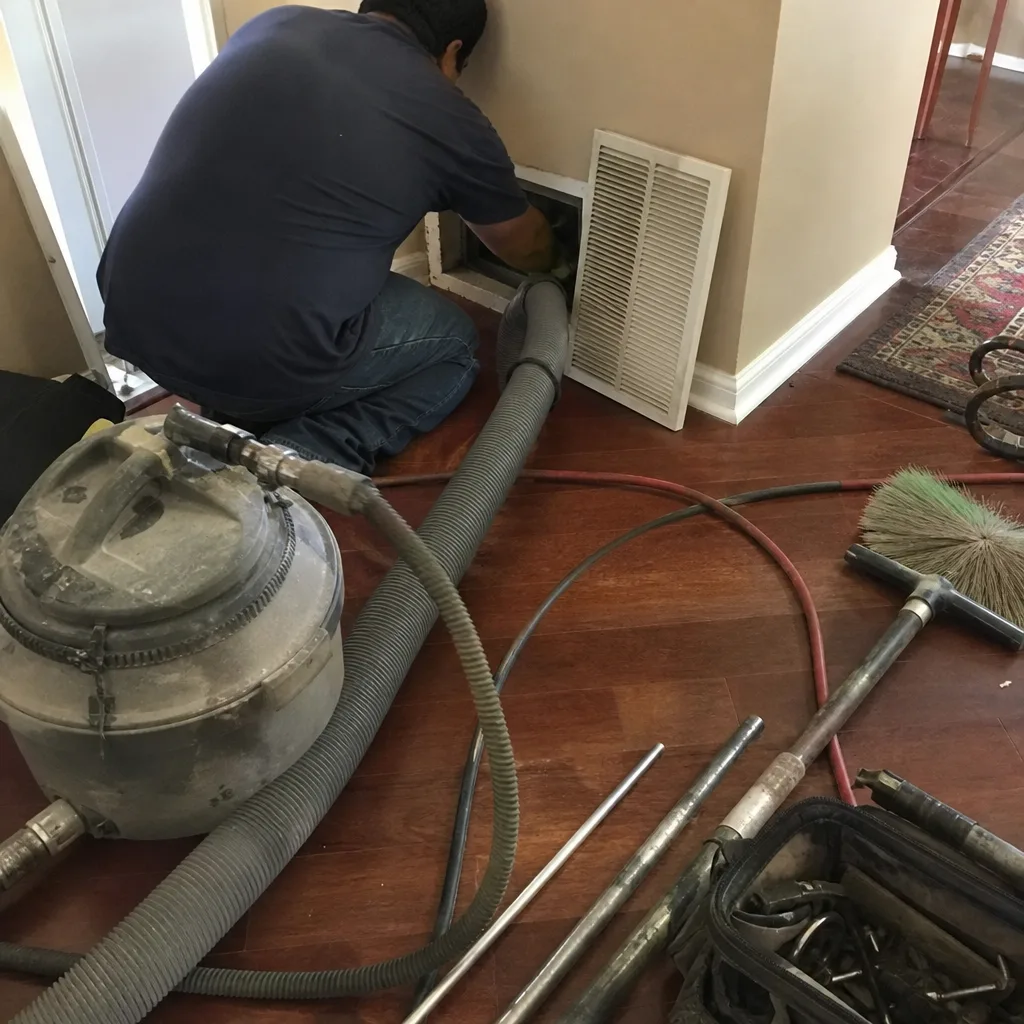
Restoration-grade equipment changes what a single cleaning accomplishes. Our duct cleaning service uses Rotobrush mechanical brush-and-vacuum systems, which agitate and dislodge debris that suction alone can’t remove, paired with Nikro HEPA collection. That combination cleans the duct wall, not just the air moving past it, and that’s what lets a properly timed cleaning last through a full season. Reputable cleaners also show before-and-after photos of your own ducts, so you can see the result rather than take it on faith.
One more timing note: if your home has a Honeywell or Aprilaire filtration system, the cleaning schedule and the filter schedule should work together. We’ll inspect the housing and avoid bypassing it during cleaning so your filtration keeps doing its job after we leave.
Duct Repair: What Cleaning Often Reveals
Cleaning is also inspection. When we open a system, we find things that were hidden: a flex run pulled apart at a joint, a crushed section under a low attic knee wall, a boot that’s separated from the register, a taped seam that let go. These aren’t cosmetic. A disconnected duct sends conditioned air into the attic, drives up energy use, and pulls dust from unconditioned space into the living areas. We clean ducts, and we also fix them, which is the gap most cleaning services leave open.
Common issues we find during League City jobs:
- Disconnected flex duct joints. They come apart at connections and at attic transitions.
- Crushed or kinked runs. Ductwork bent sharply loses airflow to the rooms it serves.
- Failed tape and mastic. Heat and humidity in attics break down seals over time.
- Separated boots at registers. These let attic air mix with supply air.
What to do when a problem turns up: don’t seal it yourself with consumer tape in an attic without knowing what you’re sealing. A duct repair done wrong can restrict airflow or leave a gap. If you suspect a disconnected run, note which rooms are warm or weak on airflow and tell the technician when you call. Repairing the duct during the same visit as the cleaning is the practical approach, because you already have the system open. That’s the difference between a cleaning that addresses the whole system and one that just moves dust around.
Dryer Vent Cleaning as Year-Round Fire Safety
Dryer vent cleaning isn’t a seasonal luxury; it’s a fire-safety service, and in a home with year-round laundry loads it deserves its own spot on the calendar. Lint accumulates in the exhaust venting path and is the leading cause of dryer fires, so cleaning that vent is about preventing a fire, not just improving drying time. Every load puts more lint into the path, which means the vent accumulates faster than most homeowners expect.
When to schedule dryer vent cleaning:
- When clothes take longer to dry across two or more cycles.
- When the exterior vent flap doesn’t open fully or lint is visible around it.
- When the dryer feels hot to the touch during a cycle.
- After a storm or any period of heavy use, or whenever you can’t recall the last cleaning.
The seasonal angle fits well with the League City calendar. Pair dryer vent cleaning with the fall transition, when you’re already thinking about the system that serves your home and the fire risk that a clogged vent creates. It’s a straightforward job done right with proper equipment, and it protects the appliance and the home. If you can’t remember the last time it was done, that’s your answer.
Common Mistakes to Avoid
- Treating cleaning as a once-a-year task. League City’s two heavy seasons mean a single annual cleaning often lands in the wrong window. Clean around the transitions, not an arbitrary date.
- Scheduling in peak summer as a reaction instead of a plan. Cleaning in July and August is fine when needed, but it isn’t the best prevention timing. Book the March-April and October-November windows when you can.
- Using a shop vac or consumer blower to “clean” the ducts. Blowing dust around redistributes it through the home and can make a moisture problem worse. Professional equipment agitates and captures at the source.
- Skipping the air handler and drain pan. Inspecting the coil and pan is where you catch duct-moisture problems before they spread into the ductwork. Don’t focus only on the registers.
- Ignoring a musty smell after a storm. Storm moisture and power-outage condensation are prime conditions for growth. A smell is a signal to inspect, not something to air out and forget.
- Cleaning without addressing a disconnected duct. If a run is pulled apart, cleaning it does no good. Fix the duct first, or have it fixed in the same visit.
- Putting off the fall transition until spring. Waiting means contaminated ducts run all heating season. Caught contamination is cleaned in the fall window, before the heat pushes it into the air.
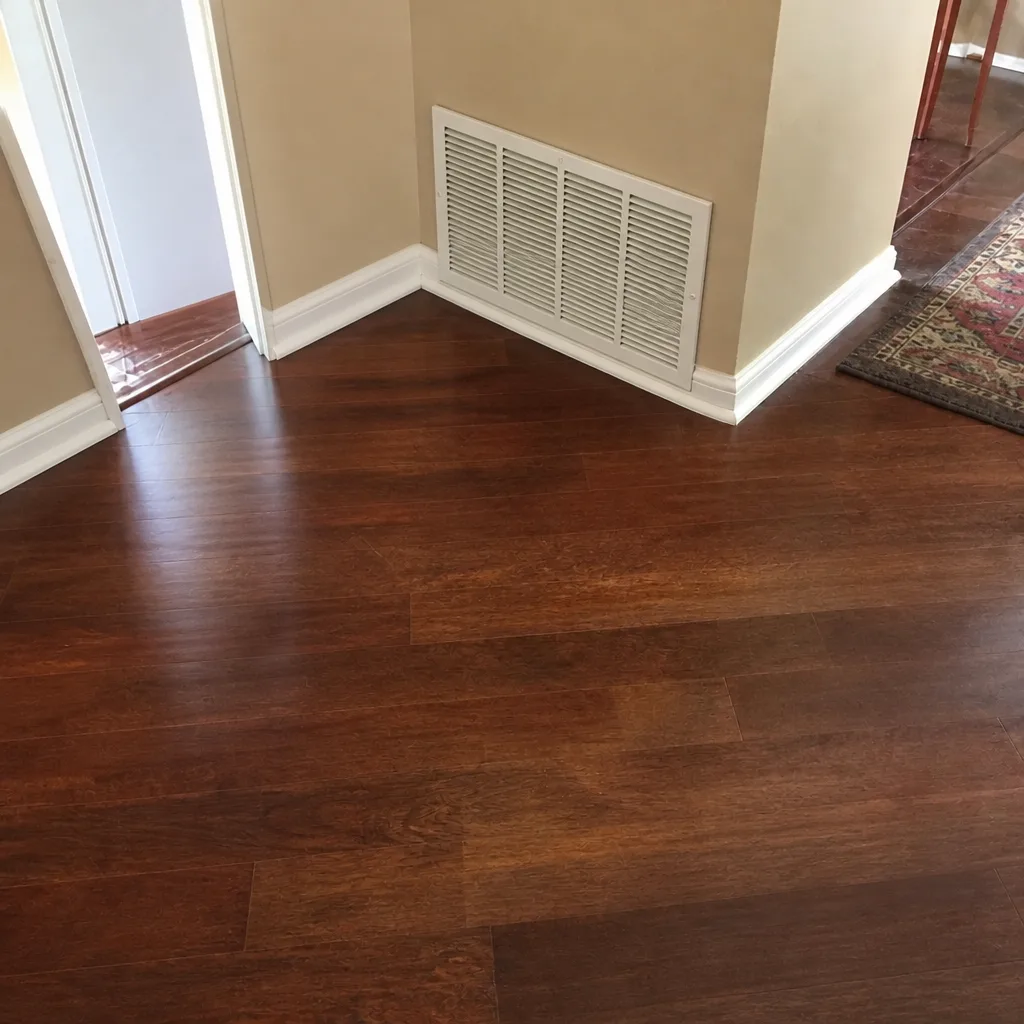
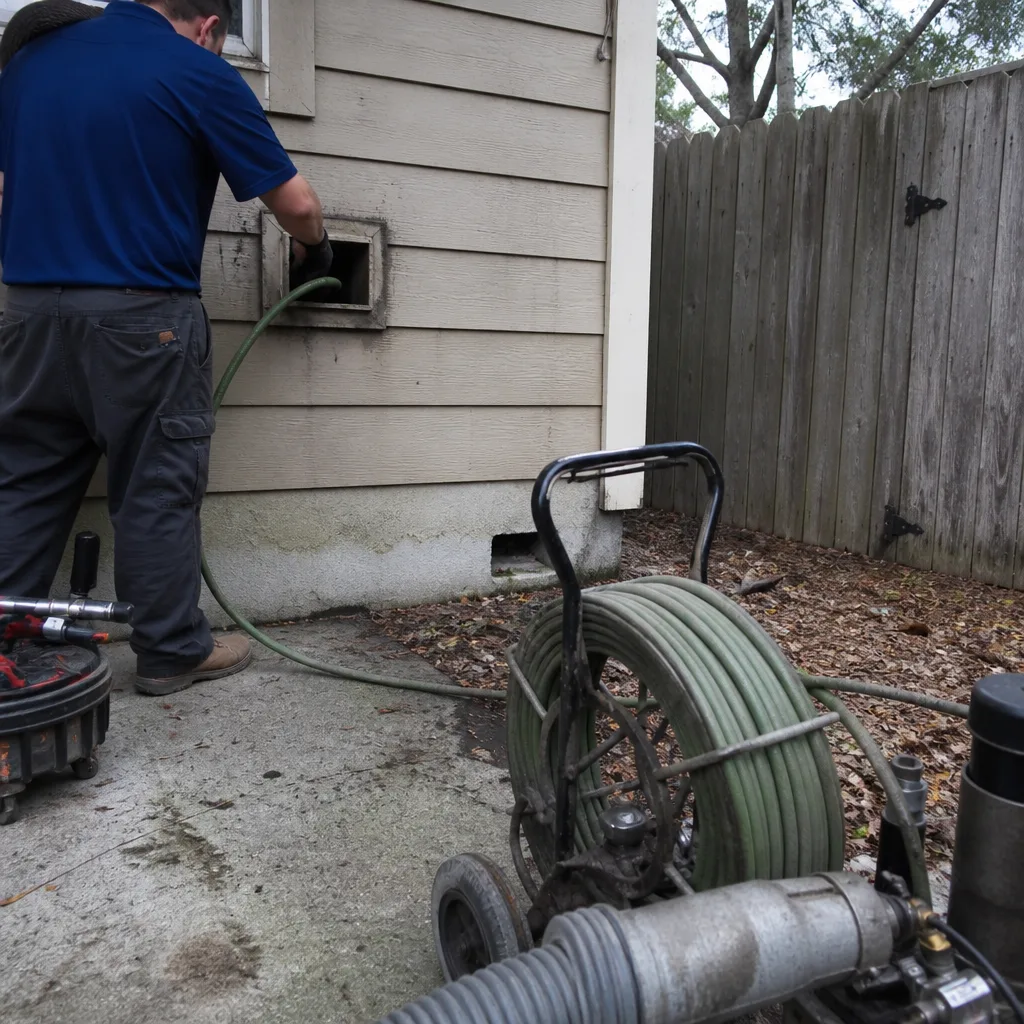
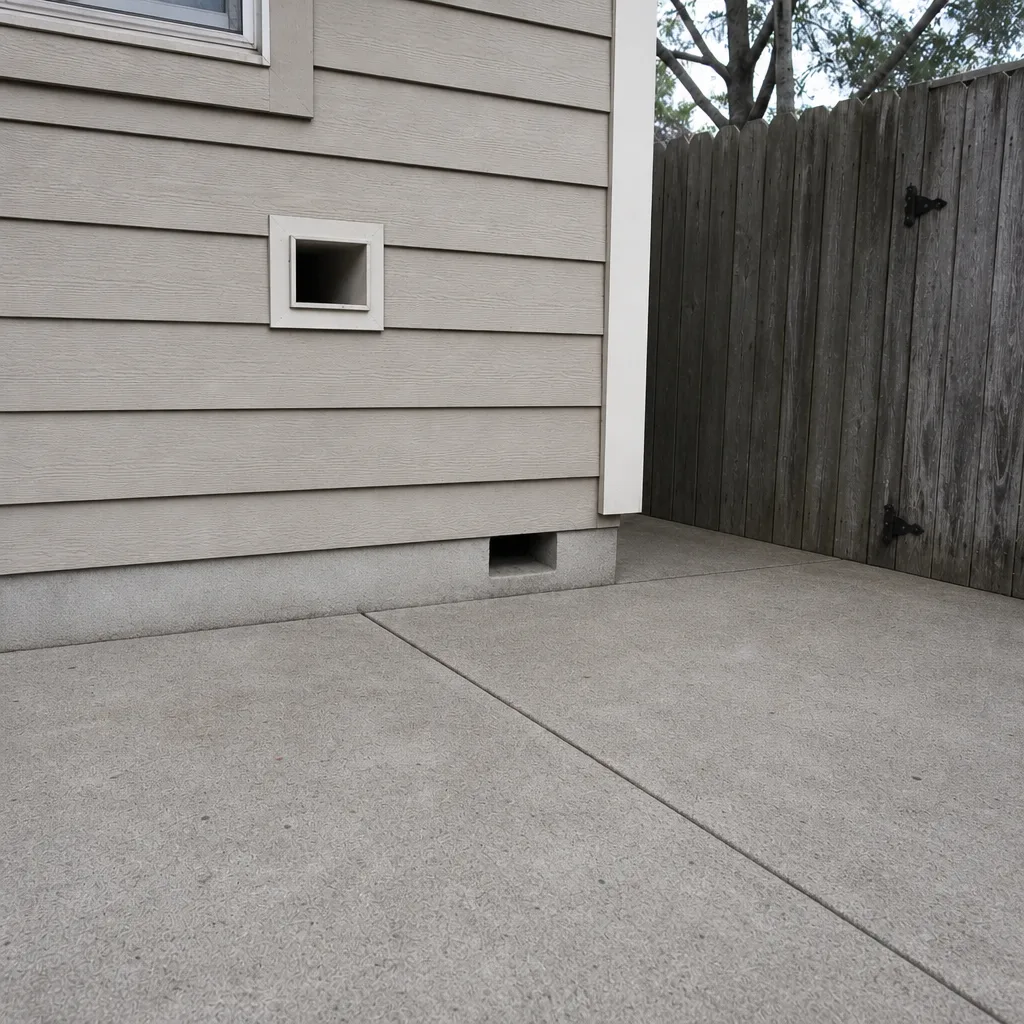
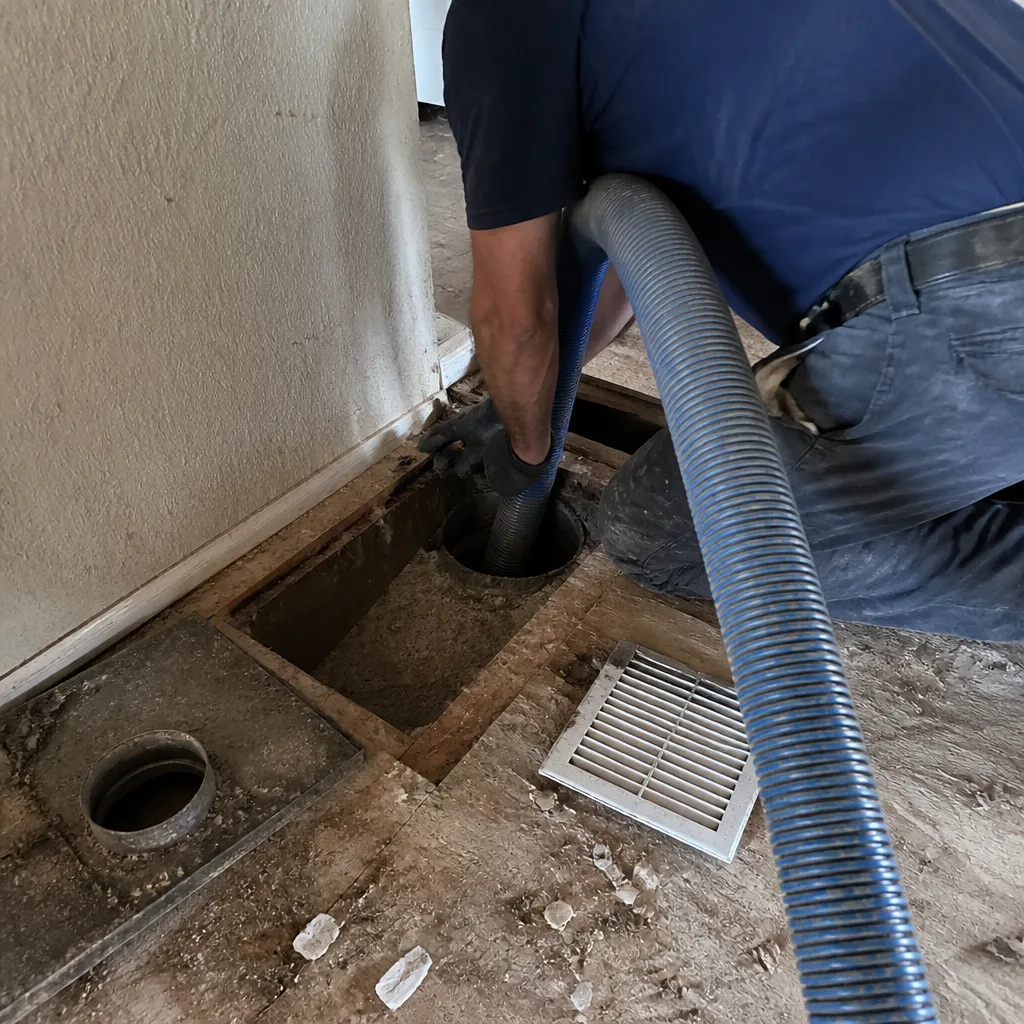
See the difference
 Before
 After
 Before
 After
 Before
 After
When to Call a Professional
Some signs are do-it-yourself inspection territory: a dusty register, a filter that needs changing, a return grille that looks dirty. Others call for a professional. Call us when you can see visible growth or dark patches inside a duct, when a musty smell appears after a storm or persists through the fall transition, when a room’s airflow drops noticeably, when you find a disconnected or crushed duct, or when a dryer vent is slow to dry clothes or feels hot. Moisture near the air handler, standing water in the drain pan, or duct insulation that got soaked in a storm are also reasons to call before running the system. Duct Cleaning League City offers free estimates in League City, and we can inspect before you decide anything. Call (866) 942-5170. We answer 24/7. Fast dispatch from 7am to 7pm, Sunday through Friday.
Frequently Asked Questions
Most League City homes do best with cleaning timed to the two transition windows, roughly every six to twelve months, rather than once a year on a fixed date. Homes in higher-humidity areas, homes with pets, and homes that have had storm water intrusion may need attention more often. The right interval depends on your system’s condition, so an inspection is the best way to set a schedule. Call (866) 942-5170 for a free estimate.
Seasonal air duct cleaning means timing the cleaning to the phases of your local climate instead of treating it as an annual errand. In League City that means cleaning before the heavy summer cooling season and again in the fall transition, plus a post-storm inspection when weather hits. It’s the same professional cleaning, scheduled around how your system actually runs.
No, a shop vac won’t clean ductwork properly and can redistribute dust through your home. Effective cleaning needs mechanical agitation to dislodge debris from the duct wall plus HEPA-rated capture to hold it, which is why we use Rotobrush and Nikro systems. Moisture and growth require containment-grade equipment. If you’re not sure what a system needs, call (866) 942-5170 for an honest assessment.
Check the air filter and air handler for water, look for flooding near floor registers and duct boots, inspect accessible attic runs for sections that are pulled apart or soaked, and watch for condensation after a power outage. If you find moisture or a musty smell, don’t run the system until it’s inspected. Call (866) 942-5170 and we’ll assess the ductwork before deciding what work it needs.
A brief dust smell on first heat is normal, but a persistent musty smell points to growth that accumulated during the cooling season and is now moving through the ducts. That’s the exact condition the fall transition is meant to catch. Don’t wait until spring to address it; call (866) 942-5170 for an inspection and estimate.
We price by whole system, not by the vent, because that’s how a real cleaning is scoped and delivered. The estimate is free and the price is set per job in writing before any work starts, so there are no surprises once a technician is on site. You’ll also see before-and-after photos of your own ducts so you know the work was done. Call (866) 942-5170 for an exact quote.
Low quotes often reflect a blowout with consumer-grade equipment, per-vent pricing that balloons once work begins, or a cleaning that skips the air handler and the duct wall. Honest whole-system pricing with proper equipment costs more up front and does the job once. Ask what equipment a company uses and whether they show before-and-after photos; if the answers are vague, keep looking. For a straight answer and a free estimate, call (866) 942-5170.
The Bottom Line
League City doesn’t hand you four seasons, so duct care shouldn’t follow an annual template. Treat your system as responding to two heavy cooling stretches and two transition windows. Inspect and clean in March and April before continuous runtime, monitor the system during summer instead of shutting it down, check ductwork after any storm or flooding, and address moisture and growth in the October-November shift before heating moves it into the air. Time professional cleaning to those windows and it lasts. Skip them and you risk the back-to-back contamination cycle. We clean ducts, we also fix them, and we’d rather you understand the why than take our word for it. Call (866) 942-5170 for a free estimate. We answer 24/7. Fast dispatch from 7am to 7pm, Sunday through Friday.
Written by the team at Duct Cleaning League City.